The only thing worse than a move is an international move. This is not our first, but it doesn’t get any less stressful. International moves require days of planning ahead and adaptation. As your stuff gets packed and shipped to destination, you’re left to function with the bare essentials: a few changes of clothes, essential kitchen tools and utensils, and food to use up to avoid waste and last minute disposal.
Even if it seems counter-intuitive, during the days leading up to the actual trip, we always try to eat healthy and plan out our meals rather than relying on eating out or ordering from takeaways. Even our pets get some extra love, as moving is stressful for them too.
Our trip
This is our first international move by car. It involves four full days of travel: two by ferry, and two days driving. On the ferry, our meals are included. During the two days of driving, we have opted for lunch stops at supermarket chains that offer clean meals rather than restaurants or fast-foods. We’ll eat breakfasts at the hotels and we’ll figure out dinners.
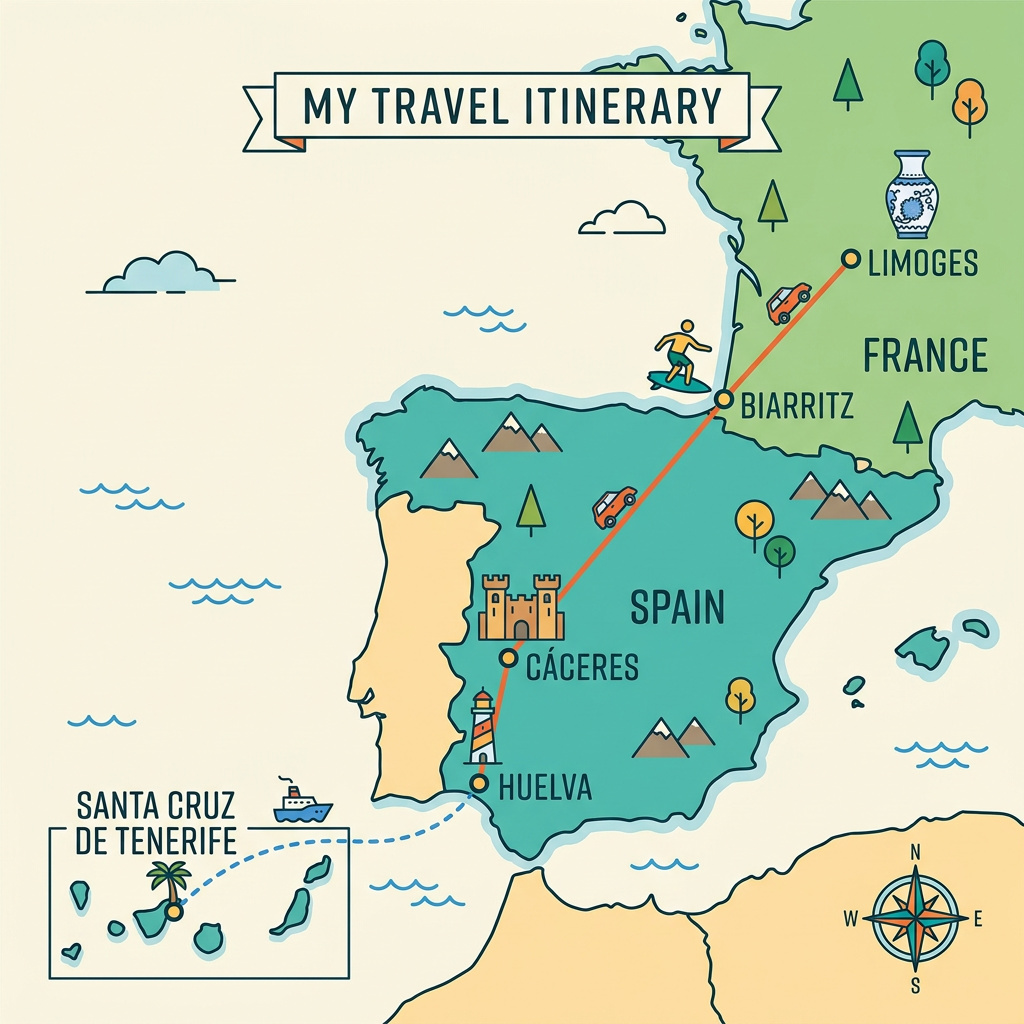
We have planned frequent stops, an itinerary that accounts for delays, and pet-friendly accommodations. Still, we are going to sit in the car for hours at a time, and we’re not getting any younger.
The stress you don’t expect
An international move is one of life’s most significant stressors. Between packing, paperwork, bookings, and logistical challenges, it’s easy to neglect your health. However, maintaining a clean diet, staying hydrated, and preparing meals in advance can make a world of difference in managing stress, energy levels, and overall well-being. And if you’re moving with pets, their health and comfort should also be a priority.
Here’s why clean eating, meal prepping, and hydration matter, and how to make them work for you (and your furry friends) during a big transition.
Why clean eating matters during stressful times
1. It supports mental clarity and mood
Stress depletes essential nutrients like magnesium, B vitamins, and omega-3 fatty acids, all of which play a role in brain function and emotional regulation. Processed foods high in sugar and unhealthy fats can worsen anxiety and fatigue. Instead, we focus on:
- Whole foods: Fruits, vegetables, lean proteins, and whole grains stabilize blood sugar and improve focus.
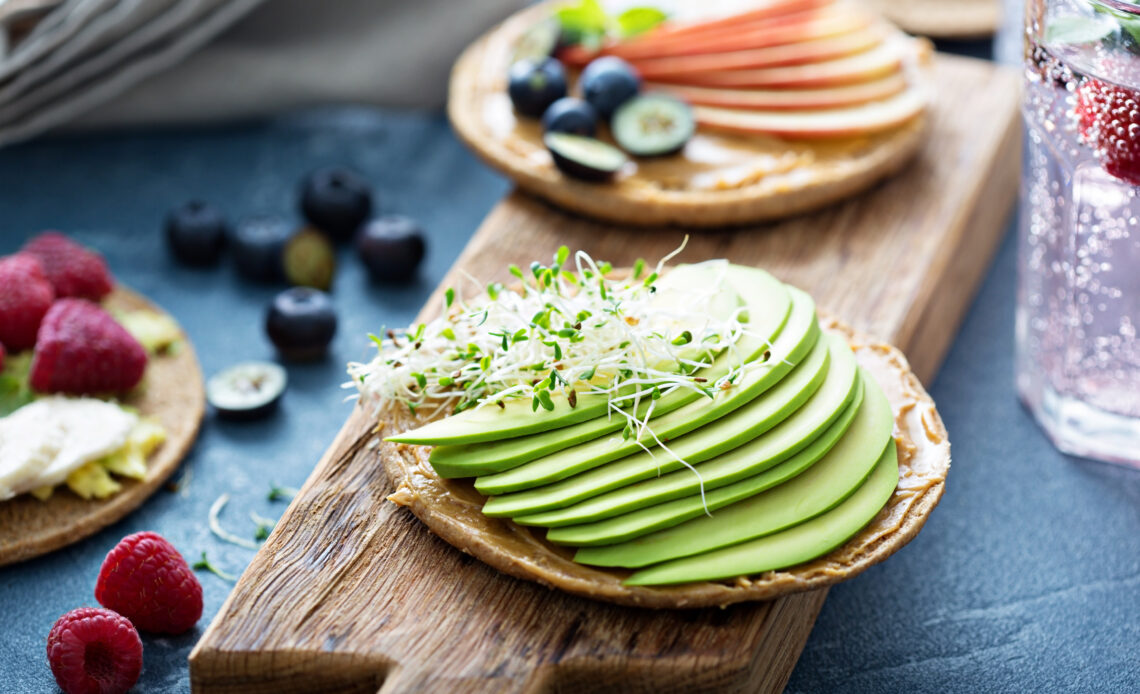
- Healthy fats: Avocados, nuts, and olive oil support brain health.
- Complex carbs: Oats, quinoa, and sweet potatoes provide sustained energy.
We also opt for simple meals to prepare, and condiments with few quality ingredients that we keep in the kitchen until the last minute.
2. It boosts immunity
Travel and stress weaken the immune system, making you more susceptible to illness. Nutrient-dense foods like citrus fruits, leafy greens, and probiotic-rich yogurt help fortify your defenses.
3. It aids digestion
Stress can disrupt digestion, leading to bloating or discomfort. Fiber-rich foods (like beans, berries, and whole grains) and fermented foods (such as kimchi or kefir) promote gut health, which is closely linked to mood and immunity.
The power of mental prepping
1. It saves times and reduces stress
When you’re juggling moving tasks, the last thing you want is to scramble for meals. Meal prepping ensures you have healthy, ready-to-eat options, reducing the temptation to grab fast food.
Tips for Stress-Free Meal Prep:
- Batch cook staples: Prepare large quantities of grains, proteins, and roasted veggies to mix and match throughout the week.
- Portion snacks: Pre-cut fruits, nuts, or hummus with veggie sticks for quick energy boosts.
- Use freezer-friendly meals: Soups, stews, and casseroles can be frozen and reheated when needed.
2. It helps maintain a routine
A structured eating schedule can provide a sense of normalcy during chaos. Aim for balanced meals every 3-4 hours to keep energy levels steady.
The importance of hydration
1. It combats fatigue and brain fog
Dehydration worsens stress symptoms like headaches, irritability, and poor concentration. Aim for at least 2–3 liters of water daily, more if you’re in a hot climate or traveling by air.
2. It supports detoxification
Moving often involves exposure to dust and irregular sleep, all of which can tax your body. Water helps flush out toxins and keeps your skin and organs functioning optimally.
Hydration Tips:
- Carry a reusable water bottle and set reminders to drink.
- Infuse water with lemon, cucumber, or mint for flavor.
- Limit caffeine and alcohol, as they dehydrate the body.
Don’t forget your pets!
Pets also experience stress during moves. Here’s how to keep them healthy and happy:
1. Maintain their diet
- Stick to their regular food to avoid digestive upset.
- Pack extra portions in case of delays.
- Avoid feeding them table scraps, especially rich or spicy foods.
2. Hydration matters for them too
- Always provide fresh water, especially during travel.
- Use a portable bowl for on-the-go hydration.
3. Comfort and routine
- Keep their favorite toys and blankets accessible.
- Gradually introduce them to new environments to reduce anxiety.
- Consult your vet about calming aids if needed.
Think of it as a marathon, not a sprint
An international move is a marathon, not a sprint. Prioritizing clean eating, meal prepping, and hydration will help you stay resilient, focused, and energized. And by extending the same care to your pets, you’ll ensure a smoother transition for the whole family. Remember: Small, consistent efforts add up. Even on the busiest days, a nourishing meal and a glass of water can make all the difference.
What’s your top tip for staying healthy during a big move? Share in the comments!