
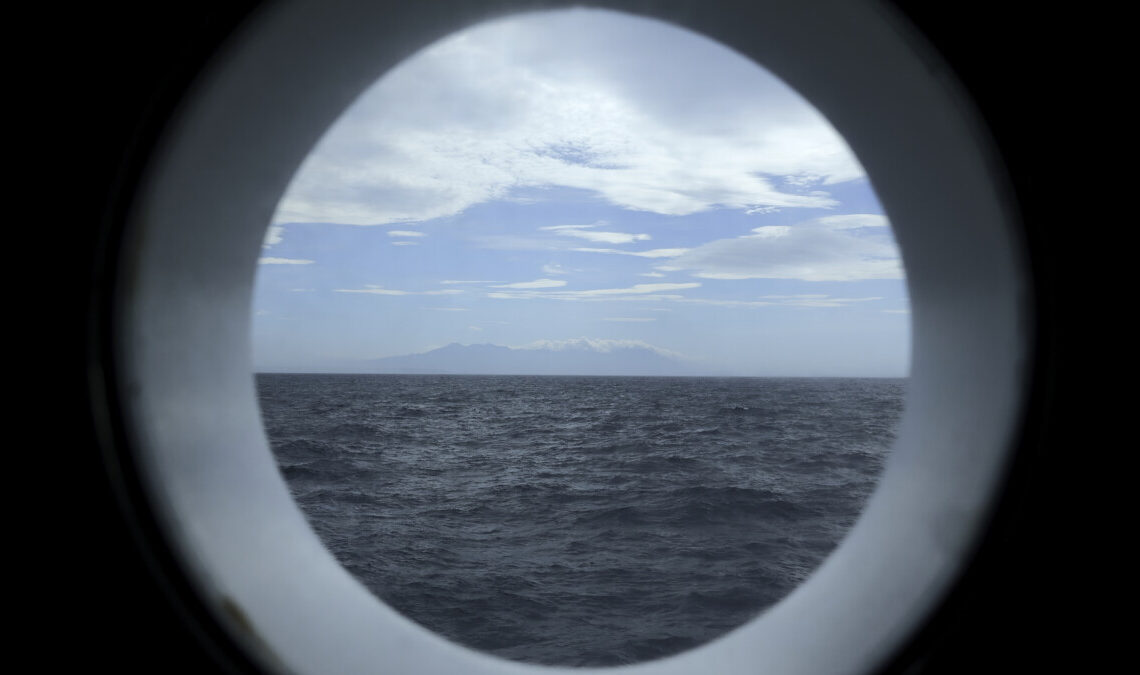
The first tranche of our trip from the Canary Islands to France was by express ferry. We boarded the ship in Santa Cruz de Tenerife and spent two nights and one day onboard, until our arrival to Huelva. What we did not expect was the effects of the speed at which the ferry traveled: as the waves rolled in, so did the nausea, and suddenly, the relaxing ocean voyage we had expected turned into a battle against seasickness. If you’ve ever felt the dread of motion sickness at sea, you’re not alone. The good news is, what you eat and drink can make all the difference.
Why does sea sickness happen?
Seasickness is a type of motion sickness. It occurs when your inner ear, which senses movement, sends different signals to your brain than your eyes. If you’re below deck, for example, your inner ear feels the boat’s motion, but your eyes see a still environment. This mismatch confuses your brain, leading to nausea, dizziness, and sometimes vomiting.
Common triggers include:
- Rough or choppy waters
- Poor ventilation or stuffy cabins
- Reading or staring at screens
- Strong odors (like fuel or fish)
Prevention starts before you board
The best way to combat seasickness is to prevent it before it starts. What you eat in the hours leading up to your trip can set the tone for how your stomach handles the motion.
What to eat before you board
- Light and bland: Stick to simple, easy-to-digest foods like plain crackers, toast, or oatmeal.
- Bananas: Packed with potassium, they help settle your stomach.
- Applesauce: Gentle on digestion and provides a quick energy boost.
- Dry cereal or pretzels: Low in fat and easy to keep down.
What to avoid
- Greasy or fried foods: These can slow digestion and increase nausea.
- Spicy dishes: Can irritate your stomach.
- Dairy: Some people find it hard to digest when motion sickness strikes.
- Alcohol and caffeine: Both can dehydrate you and worsen symptoms.
Hydration matters
Start your trip well-hydrated. Sip water regularly, but avoid chugging large amounts right before boarding.
Onboard: foods and drinks to alleviate the symptoms
Once you’re on the water, your diet can either help or hinder your comfort. Here’s what to reach for and what to steer clear of.
Foods to eat onboard
| Food | Why It Helps |
|---|---|
| Ginger (candies, tea, or chews) | Ginger is a natural anti-nausea remedy, proven to calm the stomach. |
| Peppermint (tea or candies) | Soothes digestive discomfort and reduces nausea. |
| Bland carbs (crackers, plain rice, dry cereal) | Easy to digest and help absorb stomach acid. |
| Protein (nuts, plain chicken, hard-boiled eggs) | Provides steady energy without upsetting your stomach. |
| Citrus (lemons, oranges) | The scent and acidity can help settle nausea. |
Drinks to sip onboard
| Drink | Why It Helps |
|---|---|
| Ginger ale or ginger tea | The ginger soothes nausea, and the carbonation can help. |
| Peppermint tea | Calms the digestive tract and reduces queasiness. |
| Electrolyte drinks | Replenishes fluids and minerals lost if you’ve been sick. |
| Coconut water | Natural electrolytes and easy on the stomach. |
| Clear broths | Warm, soothing, and hydrating. |
What to avoid onboard
- Alcohol: Dehydrates you and worsens nausea.
- Caffeine: Can increase anxiety and dehydration.
- Carbonated drinks (except ginger ale): May bloat your stomach.
- Strong-smelling foods: Seafood, eggs, or anything with a pungent odor can trigger nausea.
Beyond food: other tips to manage seasickness
While diet plays a huge role, combining it with other strategies can keep you feeling your best.
- Location, location, location: Stay on deck, midship, where the boat’s motion is least felt. Look at the horizon to help your brain reconcile what your eyes and ears are sensing.
- Fresh air: Avoid stuffy cabins. Breathe in cool, fresh air to reduce nausea.
- Acupressure bands: Sea-Bands apply pressure to a point on your wrist that can help alleviate nausea.
- Medication: Over-the-counter options like Dramamine or Bonine can be effective if taken before symptoms start.
- Distraction: Listen to music, chat with fellow passengers, or focus on the horizon. Avoid reading or staring at screens.
Your seasickness survival kit
Seasickness doesn’t have to ruin your time on the water. By eating smart, staying hydrated, and using a few simple strategies, you can keep nausea at bay and enjoy the journey. Remember:
- Prevent: Eat light, avoid triggers, and hydrate before boarding.
- Sooth: Stick to bland, easy-to-digest foods and soothing drinks onboard.
- Combine: Use dietary remedies alongside other tips for the best results.
Have a seasickness remedy that works for you? Share it in the comments below!
And if you’re planning a boat trip soon, bookmark this guide. Your stomach will thank you. Happy sailing!