
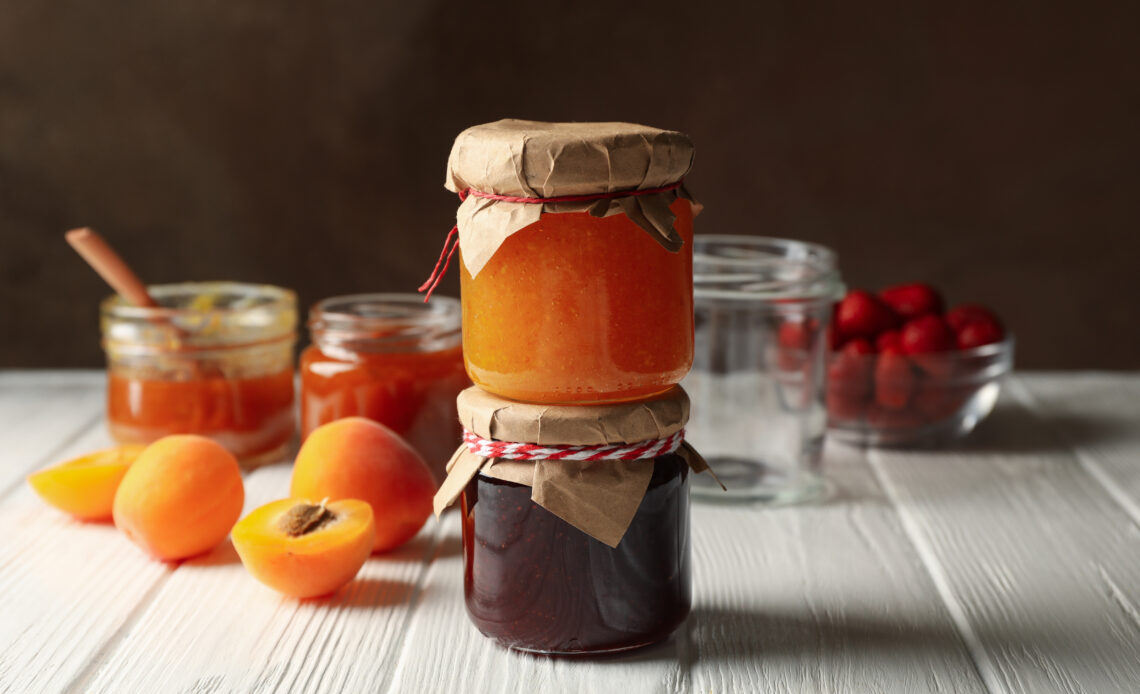
Few things capture the essence of French home cooking like homemade fruit preserves. Whether it’s a rustic compote (a chunky, lightly sweetened fruit sauce) or a classic confiture (a thick, jewel-toned jam), these preserves transform seasonal fruit into versatile, long-lasting delights.
Perfect for spreading on fresh bread, pairing with cheese, or dolloping onto yogurt, mastering the art of French fruit preserves is simpler than you think. Here’s your quick-start guide.
Compote vs confiture: what’s the difference?
| Type | Texture | Sugar Content | Cooking Time | Best Uses |
|---|---|---|---|---|
| Compote | Chunky, saucy | Low to moderate | Short (10–20 min) | Dessert topping, yogurt, pancakes |
| Confiture | Thick, spreadable | High | Long (30–60 min) | Toast, pastries, cheese boards |
- Compote is quick-cooked, preserving the fruit’s shape and freshness. It’s less sweet and often served as a dessert or breakfast topping.
- Confiture is slow-cooked to a jam-like consistency, with equal parts fruit and sugar for long-term preservation.
Essential tools and ingredients
Tools
- Heavy-bottomed pot or copper jam pan (for even heat distribution)
- Wooden spoon
- Canning jars with lids (sterilized)
- Ladle and funnel
- Thermometer (optional, for precise pectin activation)
Ingredients
- Fruit: Ripe, in-season fruit (berries, stone fruits, apples, citrus). Avoid overripe fruit—it lacks pectin.
- Sugar: White granulated sugar (or raw cane sugar for depth). Sugar acts as a preservative and enhances texture.
- Lemon juice: Adds acidity to balance sweetness and help with gelling.
- Pectin (optional): Natural pectin (from apples, citrus peels) or commercial pectin for thicker jams.
How to make French compote, step by step
1 – Choose your fruit
- Best for compote: Apples, pears, berries, rhubarb, peaches, plums.
- Prep: Wash, peel (if needed), and chop fruit into even pieces.
2 – Cook the fruit
- Place the fruit in a pot with a splash of water or lemon juice (2–3 tbsp per 500g fruit).
- Simmer on low heat for 10–20 minutes, stirring occasionally, until the fruit softens but retains some texture.
- Sweeten lightly: Add sugar to taste (start with 50–100g per 500g fruit).
3 – Store or serve
- Eat fresh: Serve warm or cold as a dessert topping.
- Store: Keep in the fridge for up to 1 week or freeze for 3 months.
Classic French compote recipes to try
- Pomme Compote (Apple): Cinnamon + vanilla bean.
- Poire au Vin Rouge (Pear): Simmered in red wine + star anise.
- Fraise-Rhubarbe (Strawberry-Rhubarb): Bright and tangy.
How to make French confiture (jam), step by step
1 – Prepare the fruit
- Use firm, slightly under-ripe fruit (higher in pectin).
- Chop small for even cooking (berries can stay whole).
2 – Macerate (optional but traditional)
- Toss fruit with sugar (1:1 ratio) and let sit 1–2 hours to draw out juices.
3 – Cook the jam
- Combine fruit, sugar, and lemon juice in a pot.
- Bring to a gentle boil, skimming off foam.
- Cook 30–60 minutes, stirring often, until thickened. To know if it’s done, place a spoonful on a chilled plate: it should wrinkle when pushed.
4 – Jar and store
- Sterilize jars: Boil jars and lids for 10 minutes.
- Fill jars: Ladle the hot jam into the jars, seal tightly.
- Process (for long-term storage): Submerge jars in boiling water for 10–15 minutes (water bath canning).
- Store: Unopened jars keep up to 1 year in a cool, dark place. Refrigerate after opening.
Classic French confiture recipes to try
- Confiture de Fraises (Strawberry): Vanilla bean + lemon zest.
- Confiture d’Abricots (Apricot): Almond extract + cardamom.
- Confiture de Figues (Fig): Thyme-infused.
French tips for perfect preserves
- Use a Copper Pan (if possible): Copper reacts with fruit acids, enhancing color and flavor.
- Skimming Foam: Remove foam during cooking for a clearer jam.
- Add Herbs or Spices: Try rosemary with peach, lavender with berries, or vanilla with stone fruits.
- Test for Pectin: Mix 1 tsp rubbing alcohol with 1 tsp cooked fruit juice—if it clumps, pectin is present.
- Label Your Jars: Note the fruit, date, and any special ingredients.
Creative ways to use your preserves
- Breakfast: Spread on baguette, croissants, or crêpes.
- Cheese Pairings: Serve with Brie, goat cheese, or Comté.
- Desserts: Fill tarts, thumbprint cookies, or layer in parfaits.
- Savory Dishes: Glaze roasted protein or stir into sauces.
Ready to start?
Grab a basket of seasonal fruit, a copper pot, and channel your inner French confiseur (jam maker). Whether you’re whipping up a quick compote or crafting a jewel-like confiture, the key is patience, simplicity, and a touch of je ne sais quoi.