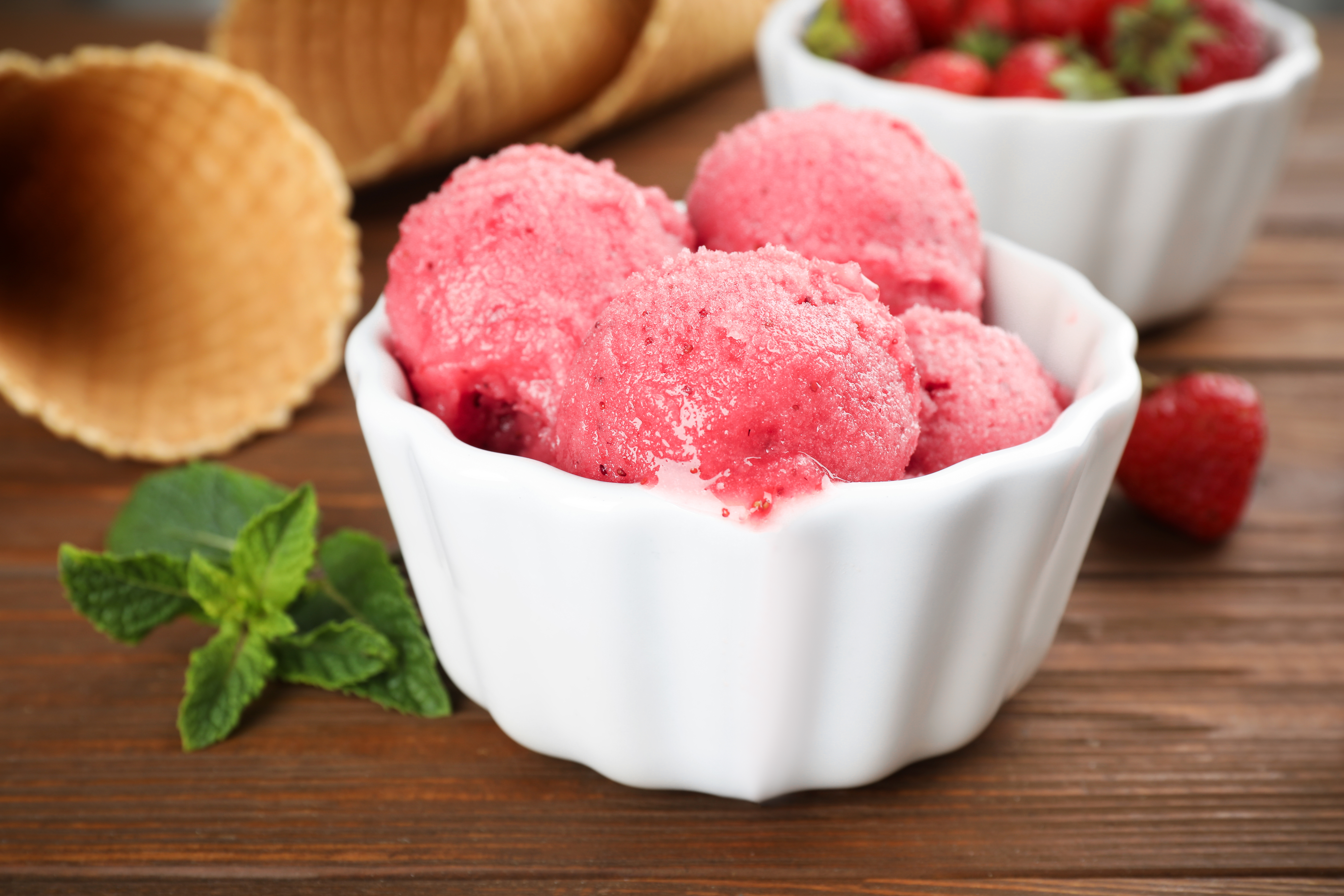
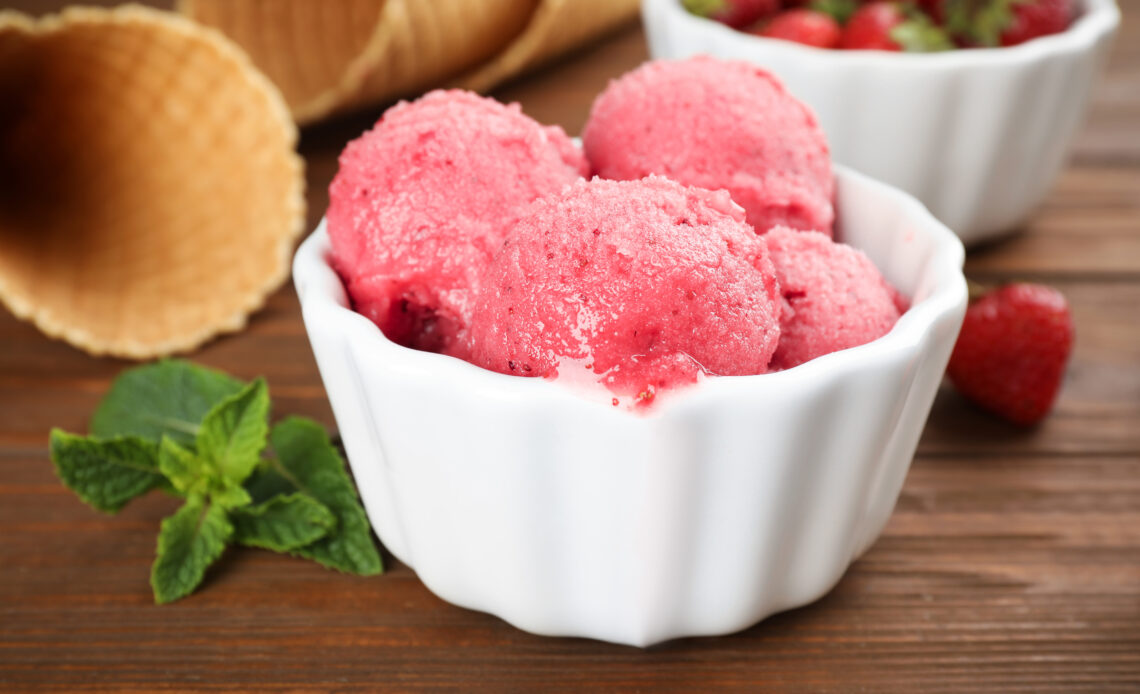
Frozen yogurt is a creamy, tangy, and healthier alternative to ice cream. It’s easy to make at home with just a few ingredients and minimal equipment. Unlike traditional ice cream, frozen yogurt uses yogurt as its base, giving it a lighter texture and a boost of probiotics.
Frozen yogurt can also be made with plant-based milk: it’s a fantastic option for vegans, those with lactose intolerance, or anyone looking to explore dairy-free alternatives. The key is to use a thick, unsweetened plant-based yogurt as your base, since the texture and tanginess of traditional yogurt are what give frozen yogurt its characteristic taste and creaminess.
Why make frozen yogurt at home?
- Control over ingredients: No artificial flavors, colors, or excessive sugar.
- Customizable flavors: Endless possibilities with fruits, nuts, chocolate, and more.
- Cost-effective: Store-bought frozen yogurt can be expensive, especially for premium brands.
- Fun activity: Great for kids and adults alike!
Basic ingredients for home-made frozen yogurt
- Plain yogurt: Greek yogurt works best for a thick, creamy texture.
- Sweetener: Honey, maple syrup, agave, or sugar.
- Flavorings: Vanilla extract, fruit purees, cocoa powder, etc.
- Mix-ins: Fresh fruit, nuts, chocolate chips, or cookie crumbles.
Equipment needed
- Ice cream maker: For the smoothest texture.
- Blender or food processor: For fruit purees or mixing ingredients.
- Freezer-safe container: For storing your frozen yogurt.
- Whisk or spoon: For mixing.
No ice cream maker? No problem! See the tips below for a no-churn method.
No-churn method
Freeze the mixture in a shallow container, stirring with a fork every 30 minutes for 3-4 hours to break up ice crystals.
Variations to try
- Strawberry cheesecake: Add cream cheese and strawberry puree.
- Chocolate peanut butter: Mix in cocoa powder and swirl in peanut butter.
- Mango lime: Use mango puree and a squeeze of lime juice.
Tips for vegan frozen yogurt
Choose the right milk:
- Coconut yogurt (rich, creamy, and naturally sweet)
- Almond yogurt (mild flavor, good for fruit-based recipes)
- Soy yogurt (high in protein, neutral taste)
- Cashew yogurt (ultra-creamy, great for decadent flavors)
- Oat yogurt (mild, slightly sweet, and sustainable)
Avoid: Very watery or runny plant-based yogurts, as they can result in icy frozen yogurt.
For the perfect texture:
- Add a stabilizer: For extra creaminess, add 1 tsp of cornstarch, arrowroot powder, or xanthan gum to the base before churning.
- Use full-fat options: Full-fat coconut yogurt or cashew yogurt will give you the creamiest texture.
- Boost the flavor: Plant-based yogurts can be milder, so don’t be afraid to add a splash of lemon juice or a bit more vanilla for depth.
- Avoid iciness: If your frozen yogurt is too icy, try adding a tablespoon of coconut oil or a ripe banana to the base before churning.
A quick comparison
| Feature | Non-Vegan (Dairy) Frozen Yogurt | Vegan (Plant-Based) Frozen Yogurt |
|---|---|---|
| Base Ingredient | Greek yogurt, regular yogurt (cow’s milk) | Coconut, almond, soy, cashew, or oat yogurt |
| Texture | Naturally creamy and thick | Can be creamy, but may require stabilizers or full-fat options for best results |
| Flavor | Tangy, rich, and familiar yogurt taste | Milder or nuttier, depending on the base; may need extra vanilla or citrus for tang |
| Protein Content | High (especially with Greek yogurt) | Varies; soy and pea-based yogurts are higher in protein, while coconut and almond are lower |
| Fat Content | Moderate to high (depends on milk fat %) | Varies; coconut yogurt is high in saturated fat, almond and oat are lower |
| Sugar Content | Depends on added sweeteners | Often lower if unsweetened yogurt is used, but check labels for added sugars |
| Allergen-Friendly | Contains dairy (lactose) | Dairy-free, lactose-free, and often nut-free options available |
| Environmental Impact | Higher (dairy industry has a large carbon footprint) | Lower (plant-based options generally have a smaller environmental impact) |
| Digestibility | May cause issues for lactose-intolerant individuals | Easier to digest for those with lactose intolerance or dairy allergies |
| Cost | Usually affordable | Often more expensive, especially for specialty brands |
| Availability | Widely available in stores | Growing availability, but may require a trip to a health food store or online order |
| Customizability | Easy to flavor and customize | Easy to customize, but may require more tweaking for texture and taste |
| Health Benefits | Probiotics, calcium, vitamin D (if fortified) | Probiotics (if cultured), often fortified with vitamins, lower in saturated fat (except coconut) |
Are you ready to try your first home-made frozen yogurt? See the recipe below to get started!