
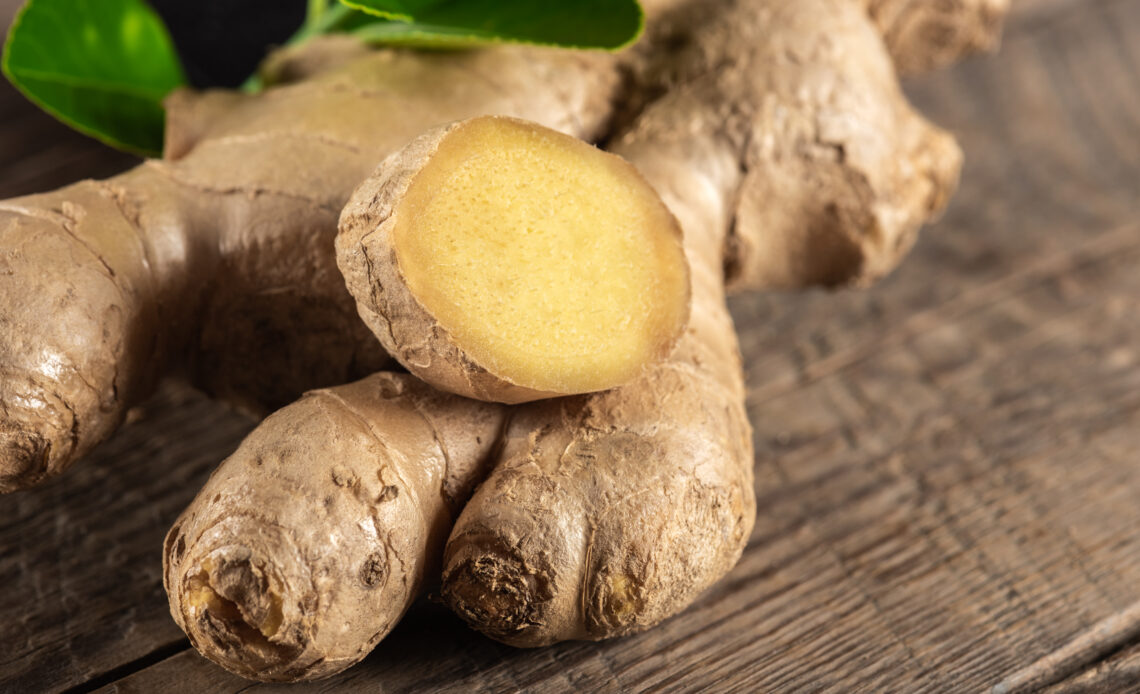
Ginger packs flavor, aroma, and health benefits at once. This knobby, golden root has been a cornerstone of global cuisine for thousands of years, prized for its spicy, warm, and slightly sweet taste. From stir-fries and curries to teas and desserts, ginger adds a vibrant kick that elevates both savory and sweet dishes.
But ginger is more than just a flavor booster: it’s also a natural remedy for digestion, nausea, and inflammation. Whether you’re grating it fresh, using it dried, or sipping it in tea, ginger is a must-have in any kitchen. Let’s explore how to cook with this powerful root and discover its endless culinary possibilities.
What is ginger?
Ginger (Zingiber officinale) is a flowering plant whose rhizome (underground stem) is used as a spice and medicinal ingredient. Native to Southeast Asia, ginger has been cultivated for over 3,000 years and is now a staple in cuisines worldwide, from Indian and Chinese to Caribbean and European.
Forms of ginger
- Fresh ginger: The most common form, with a spicy, bright flavor. Peel and grate, slice, or mince it for cooking.
- Dried ginger (ground ginger): A concentrated, warmer version of fresh ginger, used in baking and spice blends.
- Pickled ginger: Thinly sliced and pickled in vinegar, often served with sushi to cleanse the palate.
- Crystallized ginger: Candied ginger, perfect for snacking or baking.
- Ginger juice or paste: A convenient option for smoothies, marinades, and sauces.
Fun Fact: Ginger is not a root but a rhizome, which is why it grows horizontally underground.
Where is ginger used?
Ginger’s bold, zesty flavor makes it a global favorite:
- Asia: Essential in stir-fries, curries, soups, and marinades (think Thai tom yum soup or Japanese ginger pork).
- India: A key ingredient in chai, curries, and pickles.
- Caribbean: Used in jerk seasoning, marinades, and drinks like ginger beer.
- Middle East: Found in spice blends, teas, and desserts like ginger cookies.
- Western Cuisine: Popular in baking (gingerbread, cookies), cocktails (ginger ale, Moscow Mule), and health tonics.
How to cook with ginger
Ginger’s versatility makes it a star in the kitchen. Here’s how to use it in a variety of dishes:
Savory dishes
Stir-fries & wok cooking
Ginger’s bright, spicy flavor is a staple in Asian stir-fries. Try it in:
- Ginger chicken stir-fry: Sauté sliced ginger with garlic, chicken, and veggies, then toss with soy sauce and sesame oil.
- Vegetable stir-fry: Add grated ginger to broccoli, carrots, and snap peas for a zesty kick.
Pro Tip: For maximum flavor, add ginger early in the cooking process to let its oils infuse the dish.
Curries and stews
Ginger is a cornerstone of curry pastes and spice blends. Use it in:
- Thai green curry: Blend fresh ginger with lemongrass, garlic, and chiles for the paste.
- Indian dal: Sauté grated ginger with cumin, turmeric, and onions for a fragrant base.
- Moroccan tagines: Pair ginger with cinnamon, cumin, and dried fruits for a sweet-savory balance.
Try this: Add a thumb-sized piece of ginger to your next lentil soup or coconut curry for warmth and depth.
Marinades and sauces
Ginger’s enzymes help tenderize meat, making it perfect for marinades:
- Teriyaki marinade: Mix grated ginger with soy sauce, honey, garlic, and sesame oil for chicken or salmon.
- Peanut sauce: Blend ginger with peanut butter, lime juice, and chili for a dipping sauce or noodle topping.
- Ginger-soy glaze: Reduce ginger, soy sauce, and brown sugar for a sticky glaze on roasted veggies or tofu.
Marinade hack: For extra tenderness, marinate meat or fish in ginger for at least 30 minutes before cooking.
Drinks and tonics
Ginger tea
A soothing, immune-boosting drink that’s easy to make:
- Simmer sliced fresh ginger in water for 10–15 minutes.
- Add honey and lemon for a classic remedy, or turmeric and black pepper for a golden milk twist.
Wellness tip: Ginger tea is great for digestion and nausea—sip it after meals or when you’re feeling under the weather.
Ginger beer and cocktails
Ginger’s spicy-sweet flavor shines in drinks:
- Homemade ginger beer: Ferment ginger with sugar and lemon for a probiotic-rich soda.
- Moscow mule: Mix ginger beer with vodka and lime for a refreshing cocktail.
- Ginger lemonade: Blend ginger syrup with lemon juice and sparkling water.
Cocktail idea: Muddle ginger in a mojito or dark ‘n’ stormy for an extra layer of flavor.
Baking and sweets
Gingerbread and cookies
Ginger’s warm, spicy notes are a holiday classic:
- Gingerbread cookies: Use ground ginger with cinnamon, cloves, and molasses for a chewy, spiced treat.
- Ginger snaps: Roll cookie dough in sugar for a crispy, caramelized edge.
Baking tip: For fresh ginger flavor, use 1 tablespoon of grated fresh ginger in place of 1 teaspoon of ground ginger.
Desserts and treats
Ginger adds depth and warmth to sweets:
- Ginger ice cream: Infuse cream with fresh ginger for a spicy, creamy dessert.
- Poached pears: Simmer pears in a syrup of ginger, vanilla, and wine.
- Chocolate-ginger truffles: Mix grated ginger into dark chocolate ganache for a sophisticated twist.
Breakfast and snacks
Smoothies and juices
Ginger’s zesty kick wakes up smoothies:
- Green detox smoothie: Blend ginger with spinach, pineapple, and coconut water.
- Carrot-ginger juice: Juice carrots, apples, and ginger for a vibrant, immune-boosting drink.
Morning boost: Add a ½-inch piece of ginger to your morning smoothie for a metabolism kick.
Ginger in oatmeal and granola
- Ginger-spiced oatmeal: Stir grated ginger and cinnamon into oats with almond milk and maple syrup.
- Ginger granola: Toss oats with ginger, coconut, and honey before baking.
Snack idea: Mix crystallized ginger into trail mix for a sweet-spicy crunch.
Unexpected uses
Ginger in soups
- Butternut squash soup: Add grated ginger with onions and garlic for a warm, aromatic base.
- Miso soup: Stir in ginger for a bright, cleansing flavor.
Soup tip: A ginger-garlic broth is a perfect base for ramen or pho.
Ginger in dressings and dips
- Ginger-Sesame Dressing: Whisk grated ginger with sesame oil, rice vinegar, and soy sauce for salads or noodles.
- Yogurt Dip: Mix ginger with Greek yogurt, cucumber, and mint for a cool, spicy dip.
Dip idea: Blend ginger with avocado, lime, and cilantro for a zesty guacamole.
Ginger in preserves and pickles
- Ginger jam: Cook ginger with peaches or pineapple for a spicy-sweet spread.
- Pickled ginger: Thinly slice ginger and pickle it in rice vinegar and sugar for sushi.
Preserving tip: Pickled ginger lasts up to a month in the fridge.
How to prep and store ginger
Peeling and grating ginger
- Peel ginger with a spoon (it’s easier than a peeler!).
- Grate it finely for sauces and dressings, or slice it thinly for stir-fries and teas.
Quick prep: Keep a piece of ginger in the freezer. It grates easily when frozen!
Storing Ginger
- Fresh ginger: Store in the fridge (unpeeled) for up to 3 weeks, or freeze for up to 6 months.
- Ground ginger: Keep in an airtight container in a cool, dark place for up to a year.
Revive wilted ginger: Soak it in cold water for 10 minutes to firm it up.
Ginger FAQs
Q: Can I substitute ground ginger for fresh?
A: Yes, but use ¼ teaspoon of ground ginger for every 1 tablespoon of fresh. Fresh ginger has a brighter, spicier flavor.
Q: How do I know if ginger has gone bad?
A: Fresh ginger should be firm and fragrant. If it’s soft, moldy, or smells off, toss it.
Q: Is ginger good for digestion?
A: Absolutely! Ginger stimulates digestion, reduces nausea, and soothes bloating.
Q: Can I eat ginger raw?
A: Yes! Raw ginger is spicy and pungent—great in dressings, juices, or teas.
The pantry superhero
Ginger is a true kitchen superhero. It brightens savory dishes, adds warmth to sweets, and even boosts your health. Whether you’re sipping ginger tea, stir-frying with fresh ginger, or baking gingerbread cookies, this versatile root deserves a permanent spot in your pantry.
What’s your favorite way to use ginger? Share your go-to recipes or tips. Let’s celebrate this zesty root together!