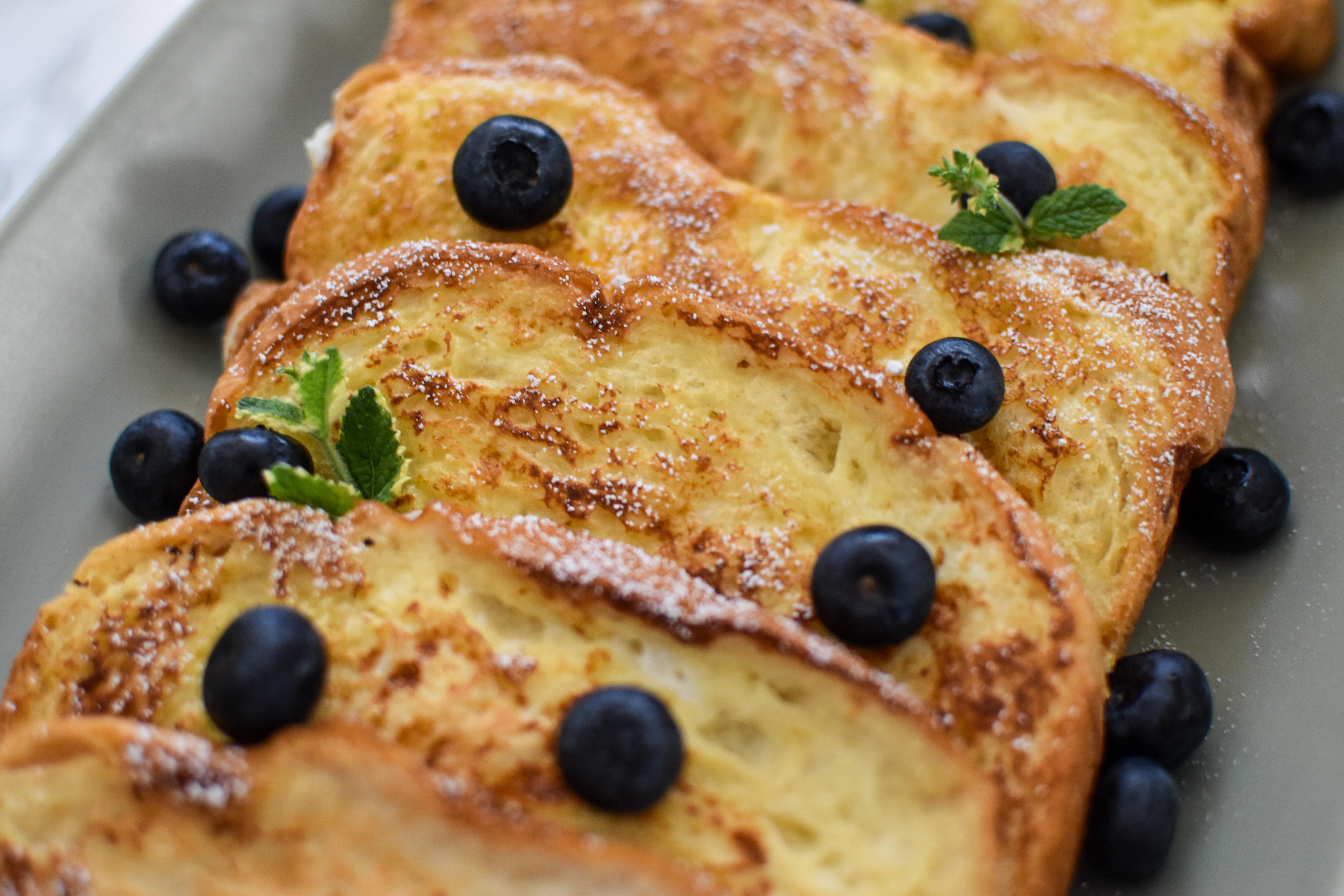
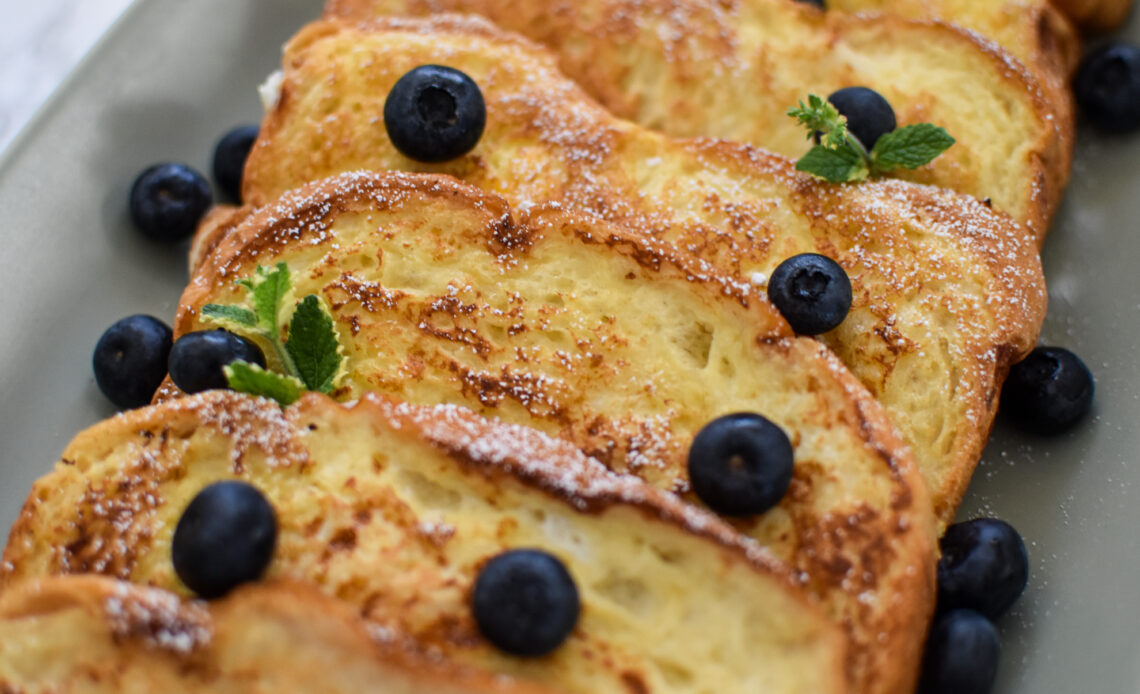
In North America, French toast is a popular, delicious breakfast. Despite its name, this sweet treat is not originally French. The dish’s history stretches back to ancient times, with roots in several cultures.
Roman Origins
The earliest known version of French toast dates back to the Roman Empire. Apicius, a Roman gourmet, included a recipe for “Aliter Dulcia” (“Another Sweet Dish”) in his 4th-century cookbook. This dish involved soaking bread in a mixture of milk and eggs, then frying it—a method remarkably similar to today’s French toast.
Medieval Europe
By the Middle Ages, French toast had spread across Europe. In 14th-century Germany, it was known as “Arme Ritter” (“Poor Knights”), a dish made by the poor to revive stale bread. The French later adopted their own version, calling it “pain perdu” (“lost bread”), as it was a way to use up bread that was no longer fresh.
Why the Name?
The dish became associated with France in 17th-century England, where it was called “French toast.” The name likely stuck due to the French culinary influence in England at the time, even though the dish was already popular in many other countries.
A plant-based twist to the traditional recipe
Below, we provide the classic recipe for French toast, but you can also make an alternative vegan version. You can substitute milk with any plant-based milk (we love almond), butter with vegan butter, and there are a number of creative substitutes for eggs:
- Flax egg: 2 tbsp ground flaxseed + 6 tbsp water]
- Cornstarch egg: mix the almond milk with 2 tablespoons cornstarch + 1 teaspoon turmeric powder
- Ready made plant-egg: liquid vegan egg can be bought in many stores.