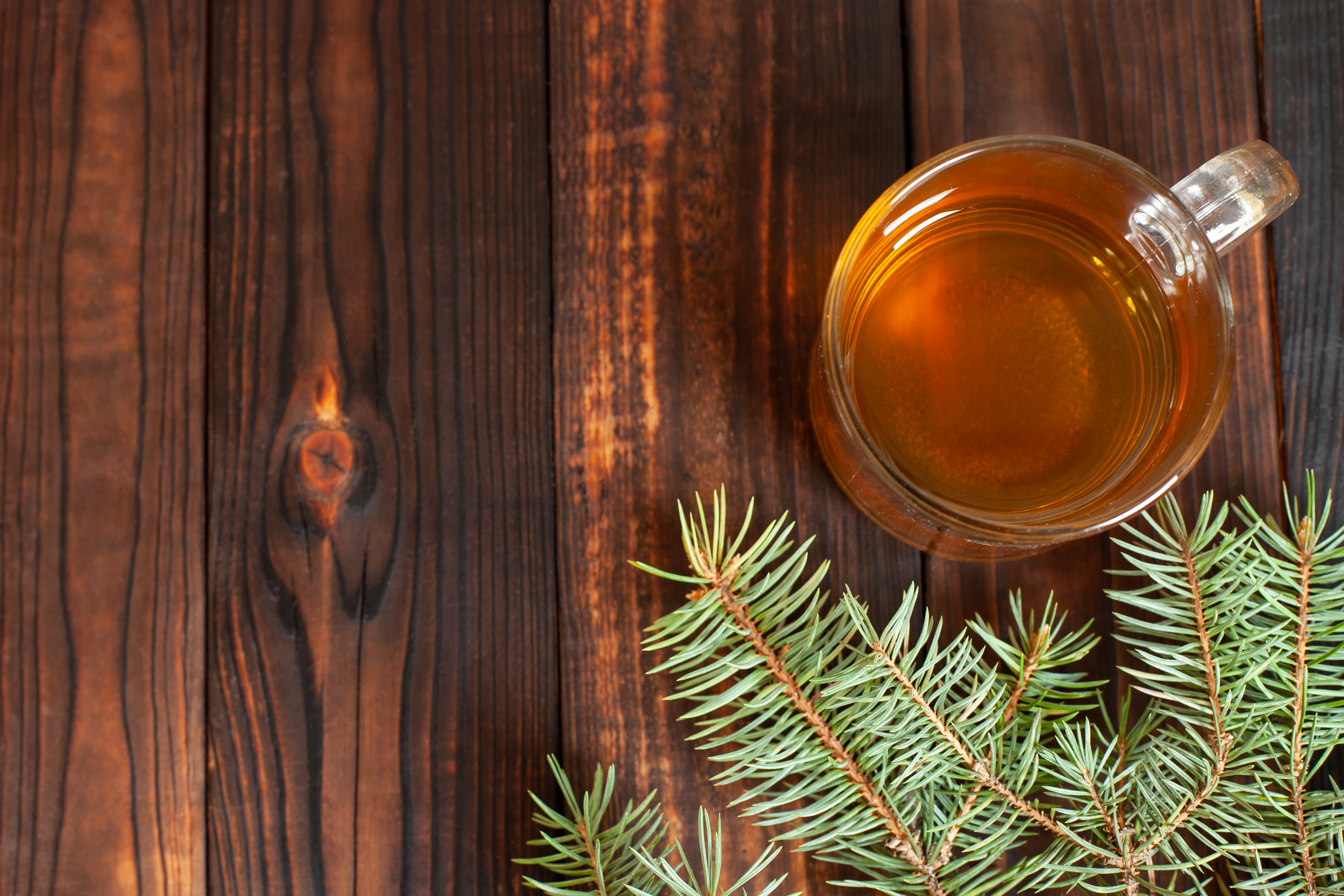
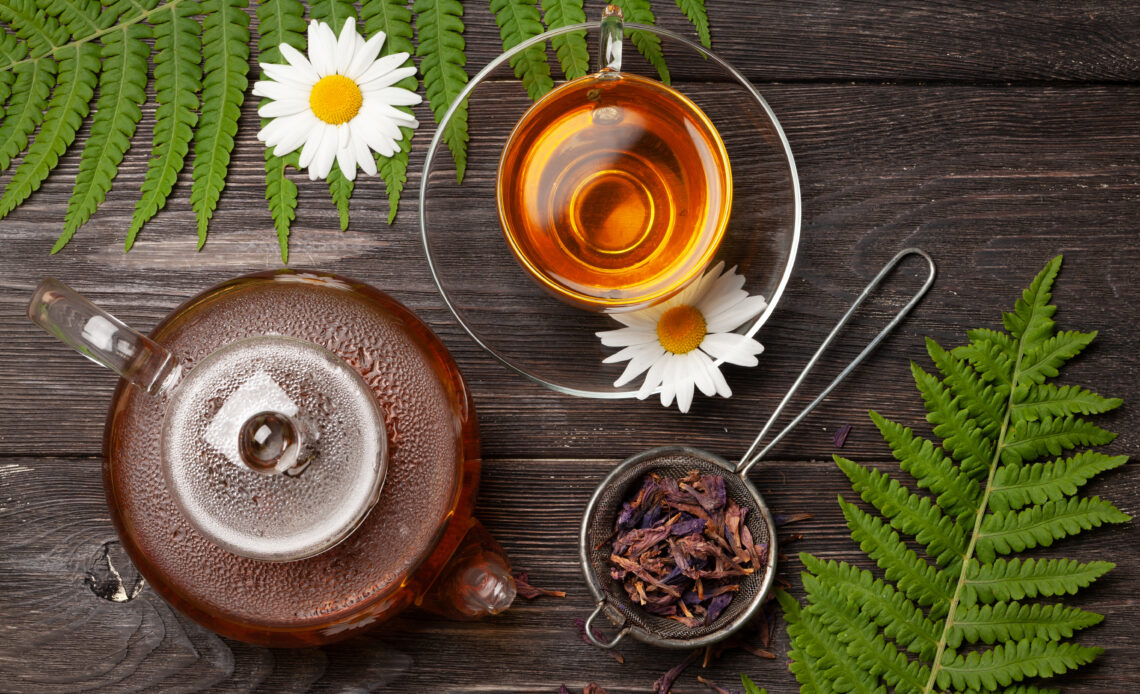
Canada is famous for its vast and diverse forests. When we lived there, I was surprised to learn that schools often plan for outdoors activities with kids of all ages. The kids learn early to be out in the forest and forage for wild ingredients.
Indeed, among the most rewarding and educational activities for children and families is gathering safe, natural ingredients to brew a soothing cup of forest tea. Not only does this practice connect us with nature, but it also teaches kids about local ecosystems, sustainability, and the healing properties of plants. Here’s a quick-start guide to make your own kid-friendly forest tea.
Why forage for forest tea?
Foraging for tea ingredients is more than just a fun outdoor activity. It’s a way to:
- Encourage outdoor exploration and curiosity about nature.
- Teach children about edible and medicinal plants in their environment.
- Promote sustainability by using what nature provides responsibly.
- Create memorable family experiences and traditions.
Safety first: foraging guidelines
Before you head into the woods, keep these essential safety tips in mind:
- Positive identification: Never consume a plant unless you are 100% certain of its identity. Use field guides, apps (like iNaturalist or PlantNet), or consult a local expert.
- Avoid toxic look-alikes: Some plants, like water hemlock or poison hemlock, can be deadly. When in doubt, leave it out.
- Forage in clean areas: Avoid picking near roads, industrial sites, or agricultural fields where pesticides or pollutants may be present.
- Respect nature: Only take what you need, and never strip a plant bare. Leave enough for wildlife and future growth.
- Allergies and sensitivities: Introduce new plants one at a time and in small amounts to check for adverse reactions.
Common and safe forest tea ingredients
Here are some of the safest and most accessible ingredients for beginners:
| Plant Part | Examples | Flavor Profile | Benefits |
|---|---|---|---|
| Leaves & Herbs | Pine needles, wild mint, plantain | Citrusy, refreshing, earthy | Vitamin C, digestion, soothing |
| Flowers | Chamomile, elderflowers, violets | Floral, sweet, aromatic | Calming, immune support |
| Berries & Fruits | Wild blueberries, rose hips | Fruity, tart | Antioxidants, vitamin C |
| Bark & Roots | Birch bark, wild ginger root | Spicy, wintergreen | Warming, respiratory support |
| Conifers | Spruce tips, cedar tips | Citrusy, aromatic | Respiratory health, vitamin C |
Tips for foraging with kids
- Make it a game: Create a scavenger hunt list of safe plants to find.
- Teach them young: Show kids how to identify safe plants and explain why some should never be touched.
- Keep a journal: Have them draw or write about the plants they find and use.
- Start small: Begin with just one or two ingredients to keep it simple and safe.
Ready to start foraging?
Foraging for forest tea is a wonderful way to engage with nature, learn about local flora, and create something delicious and nourishing together. By following safety guidelines and starting with trusted ingredients like pine needles and wild mint, you can introduce kids to the joys of foraging and the art of herbal tea-making.
So, grab a basket, head into the woods, and let the adventure begin, one cup of forest tea at a time!