
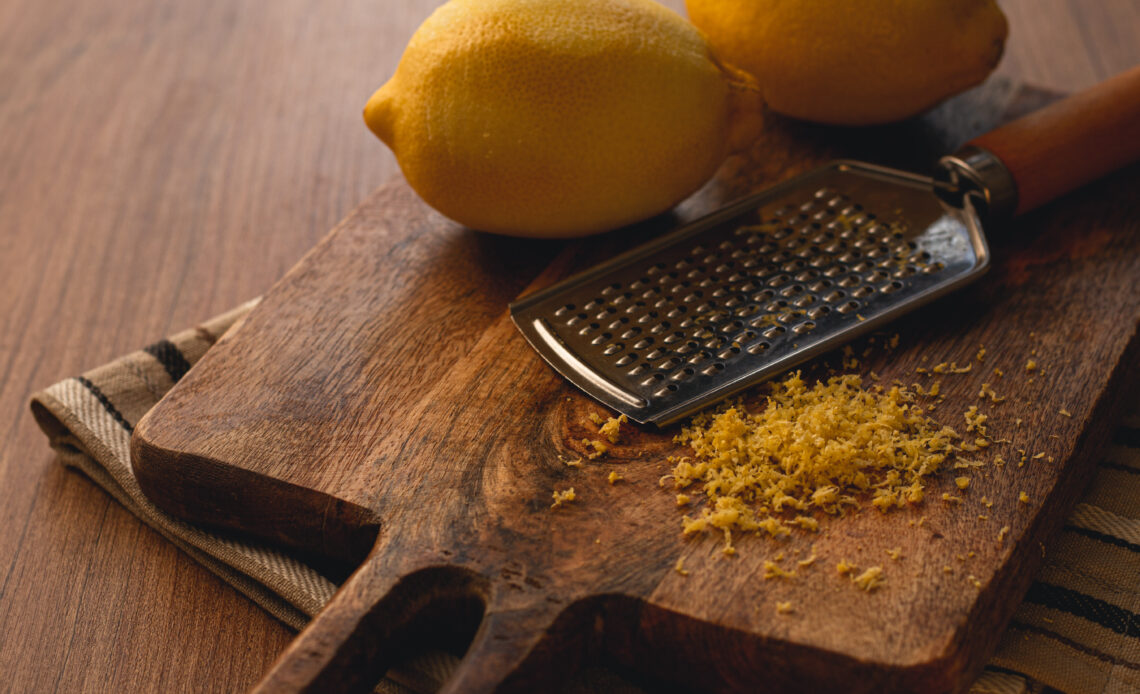
Lemon zest—the colorful outer layer of a lemon’s peel—packs a powerful citrus punch, adding brightness and depth to both sweet and savory dishes. Unlike lemon juice, zest contains aromatic oils that intensify flavor without extra liquid. Here’s how to make, store, and use lemon zest to maximize its potential in your kitchen.
Why to make lemon zest?
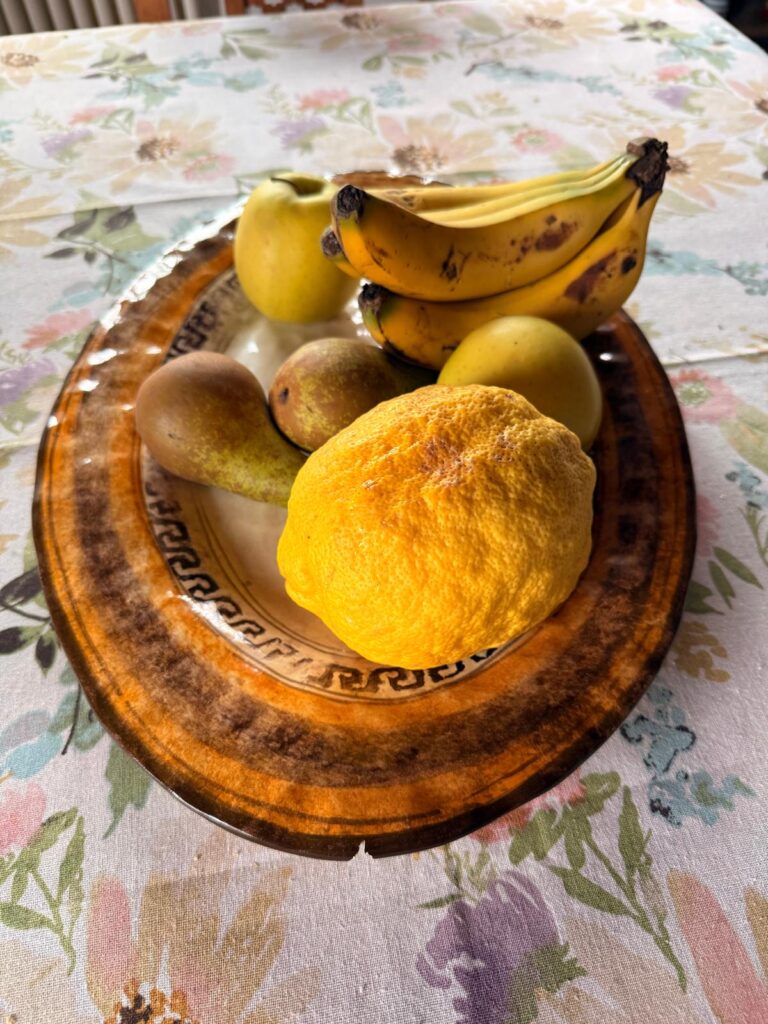
Before living in Quebec, I never knew that lemon zest was sold in supermarkets. It comes in tiny jars, and it’s not cheap. However, once I started using it, I couldn’t do without it. The store-bought lemon zest is very practical. However, as we moved around, I realized that not all stores keep it, especially in smaller towns. Fast forward when we moved to the Canary Islands, we had a beautiful limonera (lemon tree) in our yard. It was loaded with lemons (some really big), and they were perfect to make lemon zest as we knew that they were completely natural.

How to make lemon zest
Tools You’ll Need:
- Lemons: Choose organic or unwaxed lemons to avoid pesticides or chemical residues.
- Zester or Grater: A fine microplane grater is ideal for creating delicate, feathery zest. Avoid the bitter white pith beneath the peel.
- Knife (Optional): For larger strips of peel, use a sharp knife or vegetable peeler, then finely chop with a mezzaluna knife.
Steps:
- Wash and Dry: Rinse lemons under warm water and pat dry.
- Zest: Gently rub the lemon against the microplane, rotating as you go. Stop once you reach the white pith.
- Store or Use Immediately: Use zest fresh, or store it for later (see below).
How to store lemon zest
Lemon zest can be stored in several ways to preserve its vibrant flavor:
Short-Term Storage (1–2 Weeks)
- Refrigerator: Place zest in an airtight container or small resealable bag. Press out excess air to prevent oxidation.
Long-Term Storage (Up to 6 Months) - Freezing: Spread zest on a parchment-lined tray, freeze until solid (about 1 hour), then transfer to a freezer bag. Label and date the bag. Use directly from the freezer—no need to thaw!
- Drying: Air-dry zest on a tray for 2–3 days, or use a dehydrator at low heat. Store dried zest in a cool, dark place in an airtight container.
Lemon Zest Ice Cubes
Mix 1 tablespoon of zest with 1 tablespoon of water or olive oil, freeze in ice cube trays, and pop out as needed for cooking.
How you can use lemon zest
Lemon zest’s versatility makes it a kitchen staple. Here’s how to use it:
In Baking
- Cakes and Cookies: Add 1–2 teaspoons of zest to batters for lemon poppy seed muffins, shortbread, or pound cake.
- Frostings and Glazes: Stir zest into buttercream, cream cheese frosting, or lemon glaze for a zesty kick.
In Cooking
- Pasta and Risotto: Toss zest into creamy sauces, like carbonara or Alfredo, or sprinkle over finished dishes.
- Marinades and Dressings: Mix zest into vinaigrettes, marinades for chicken or fish, or homemade mayonnaise.
- Soups and Stews: Brighten up lentil soup, chowder, or vegetable stew with a pinch of zest.
In Drinks
- Cocktails and Mocktails: Rim glasses with a mix of zest and sugar for margaritas or lemonade. Infuse simple syrup with zest for a citrusy twist.
- Tea and Water: Add zest to hot tea or cold water for a refreshing aroma.
In Savory Dishes
- Herb Blends: Combine zest with dried herbs like thyme, rosemary, or oregano for a homemade seasoning blend.
- Butter and Oils: Mix zest into softened butter for lemon garlic bread, or infuse olive oil with zest for drizzling over salads and grilled veggies.
Pro tips for maximum flavor
- Zest Before Juicing: Always zest lemons before cutting them in half—it’s much easier!
- Use Sparingly: Lemon zest is potent. Start with ½–1 teaspoon in recipes and adjust to taste.
- Pair with Complements: Zest pairs well with garlic, ginger, vanilla, and fresh herbs like basil or mint.
Why lemon zest elevates your cooking
- Concentrated flavor: zest contains more aromatic oils than juice, delivering intense citrus notes.
- No extra liquid: unlike juice, zest won’t alter the texture of your dishes.
- Year-round availability: stored zest lets you enjoy lemony flavor even when fresh lemons aren’t in season.
How do you use lemon zest in your favorite recipes? Share your go-to tips or dishes—let’s inspire each other!