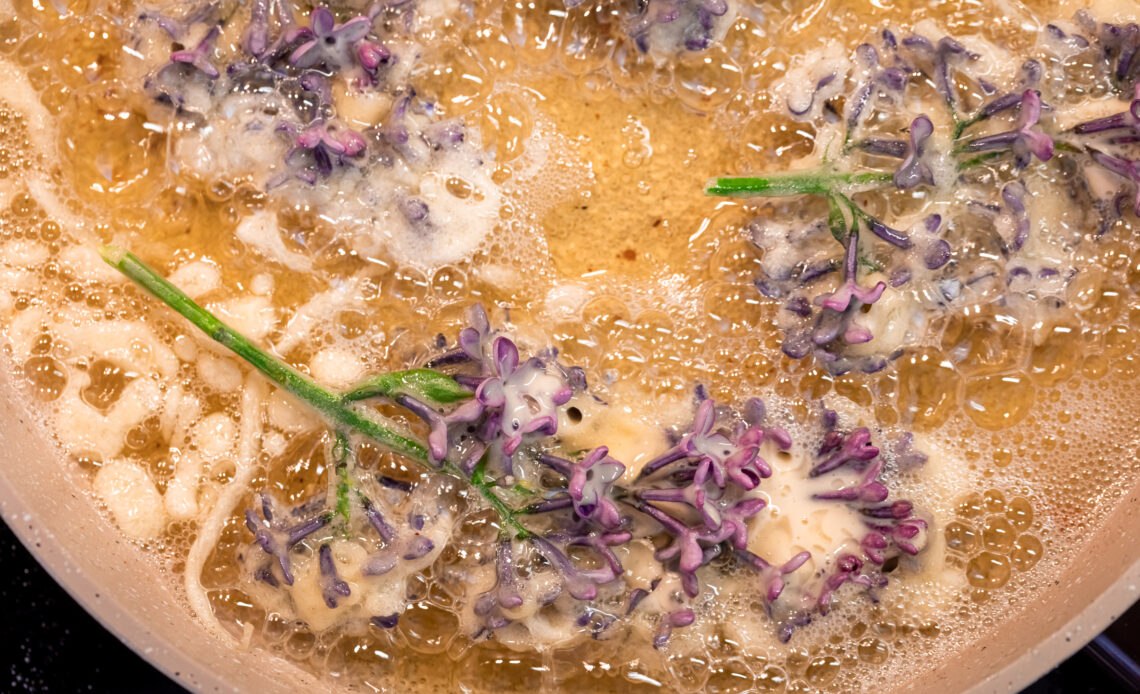
Edible flowers are more than just a way to garnish and decorate plates. They’re a culinary secret used for centuries to add flavor, aroma, and visual drama to dishes. From the delicate sweetness of violets to the earthy depth of squash blossoms, flowers can transform ordinary recipes into extraordinary experiences.
While many chefs use them as garnishes, edible flowers shine as key ingredients in dishes like fried zucchini blossoms, lavender-infused risotto, and hibiscus tea. Let’s explore how to cook with flowers beyond decoration and dive into recipes that make them the star of the show.
Why cook with edible flowers?
- Unique Flavors – Flowers offer a range of tastes, from citrusy (nasturtiums) to spicy (chive blossoms) to floral (rose, lavender).
- Nutritional Benefits – Many edible flowers are rich in antioxidants, vitamins, and minerals.
- Seasonal & Sustainable – Using flowers from your garden or local market reduces waste and connects you to the seasons.
- Visual Appeal – Their vibrant colors and shapes make dishes instantly Instagram-worthy.
Edible flowers to know (and how to use them)
| Flower | Flavor Profile | Best Culinary Uses |
|---|---|---|
| Zucchini Blossoms | Delicate, slightly sweet | Stuffed & fried, pasta, fritters |
| Lavender | Floral, slightly bitter | Risotto, shortbread, syrups, ice cream |
| Nasturtiums | Peppery, like watercress | Salads, pestos, garnish for savory dishes |
| Violets | Sweet, perfumed | Candied, salads, desserts, teas |
| Rose Petals | Fragrant, slightly tart | Jams, Middle Eastern dishes, desserts |
| Chive Blossoms | Onion-garlic, mild | Salads, compound butters, savory baked goods |
| Hibiscus | Tart, cranberry-like | Teas, cocktails, sauces, desserts |
| Borage | Cucumber-like | Salads, cocktails, frozen in ice cubes |
| Calendula | Slightly bitter, tangy | Soups, rice dishes, salads |
Important: Not all flowers are edible! Only use flowers labeled for culinary use (avoid florist flowers, which may be treated with pesticides). Stick to organic, homegrown, or trusted sources.
How to prepare edible flowers for cooking
- Harvest gently – Pick flowers in the morning, when they’re freshest. Use scissors to avoid bruising.
- Wash carefully – Rinse in cool water and pat dry with a paper towel. Remove pistils and stamens if bitter.
- Use quickly – Most flowers are best used within 1–2 days of picking. Store in the fridge in a sealed container with a damp paper towel.
Recipes where flowers are the star ingredient
Fried zucchini flowers (fiori di zucca fritti)
This is a classic Italian dish that is cooked in spring. The delicate zucchini blossoms are stuffed with cheese or anchovies, lightly battered, and fried to golden perfection. They’re then sprinkled with flaky salt and a squeeze of lemon. Pair with a cold Prosecco for the full Italian experience.
Lavender risotto
Lavender adds a subtle floral note to creamy risotto, balancing the richness of the dish. Lavender is used to infuse the vegetable stock to prepare the risotto, leaving subtle and scented notes. This dish must be carefully prepared, as too much lavender will end up making the rice taste like soap. You can taste this refined dish in many restaurants in Northern Italy and Southern France.
Nasturtium pesto
Nasturtium adds a peppery, vibrant twist on classic pesto. It’s perfect for pasta, sandwiches, or crostini. Added bonus: Nasturtium pesto freezes well and you can store it in ice cube trays for easy portions.
Violet and rose petal honey
Violet and rose petals are used to make fragrant, floral honey that’s divine in tea, on toast, or drizzled over cheese. You can also stir it into yogurt, glaze roasted fruits, or sweeten cocktails.
Hibiscus and chili Margaritas
Hibiscus is the base for a tart, spicy cocktail that balances its cranberry-like tang with chili heat. For a non-alcoholic version, you can skip the tequila and top with sparkling water. Another famous summer drink that uses infused hibiscus flowers is Jamaican water, a fragrant and refreshing drink for quenching thirst in the hottest days.
Stuffed squash blossoms with goat cheese
This is a sophisticated appetizer that highlights the blossom’s delicate flavor. It uses chopped chives, lemon zest, and honey for a fresh, composite flavor. Served with a Sauvignon Blanc or sparkling rosé, it makes for an elegant and elevated aperitif.
Where to buy edible flowers
- Farmers’ markets (ask vendors if they’re pesticide-free)
- Specialty grocers (like Whole Foods or gourmet shops)
- Online (companies like Gourmet Sweet Botanic or Marx Foods)
- Your garden (grow organic flowers like pansies, chamomile, or sunflowers)
Flowers as food
Edible flowers bridge the gap between garden and kitchen, offering a whimsical yet sophisticated way to elevate your cooking. From the crispy crunch of fried zucchini blossoms to the perfumed elegance of lavender risotto, they invite creativity and seasonal celebration into every meal. So next time you’re at the market or in your garden, pick a few blossoms and let them inspire your next dish.
What’s your favorite edible flower to cook with? Share your recipes or discoveries: let’s bloom together in the kitchen!