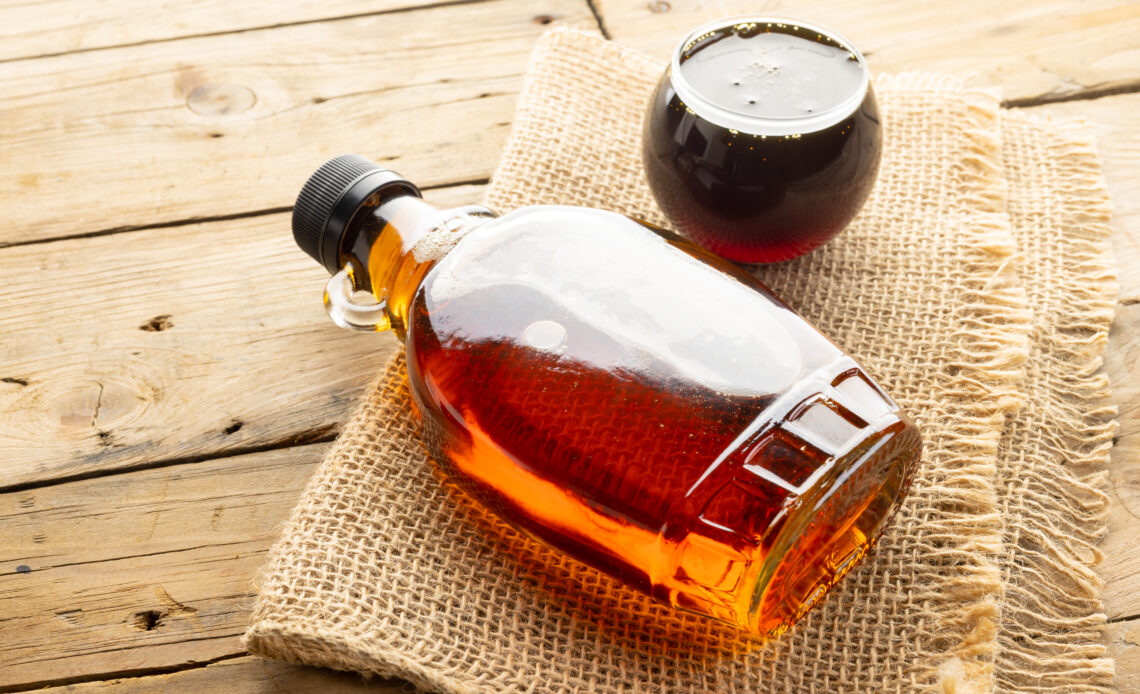
Quebec is the world’s largest producer of maple syrup, responsible for over 70% of global output. At the heart of this industry are the sucreries (sugar shacks), rustic cabins nestled in the maple forests (“Érablières”) where the magic happens. Every spring, as the snow melts and temperatures fluctuate between freezing nights and warm days, the maple trees awaken, and their sap begins to flow.
How is maple syrup made?
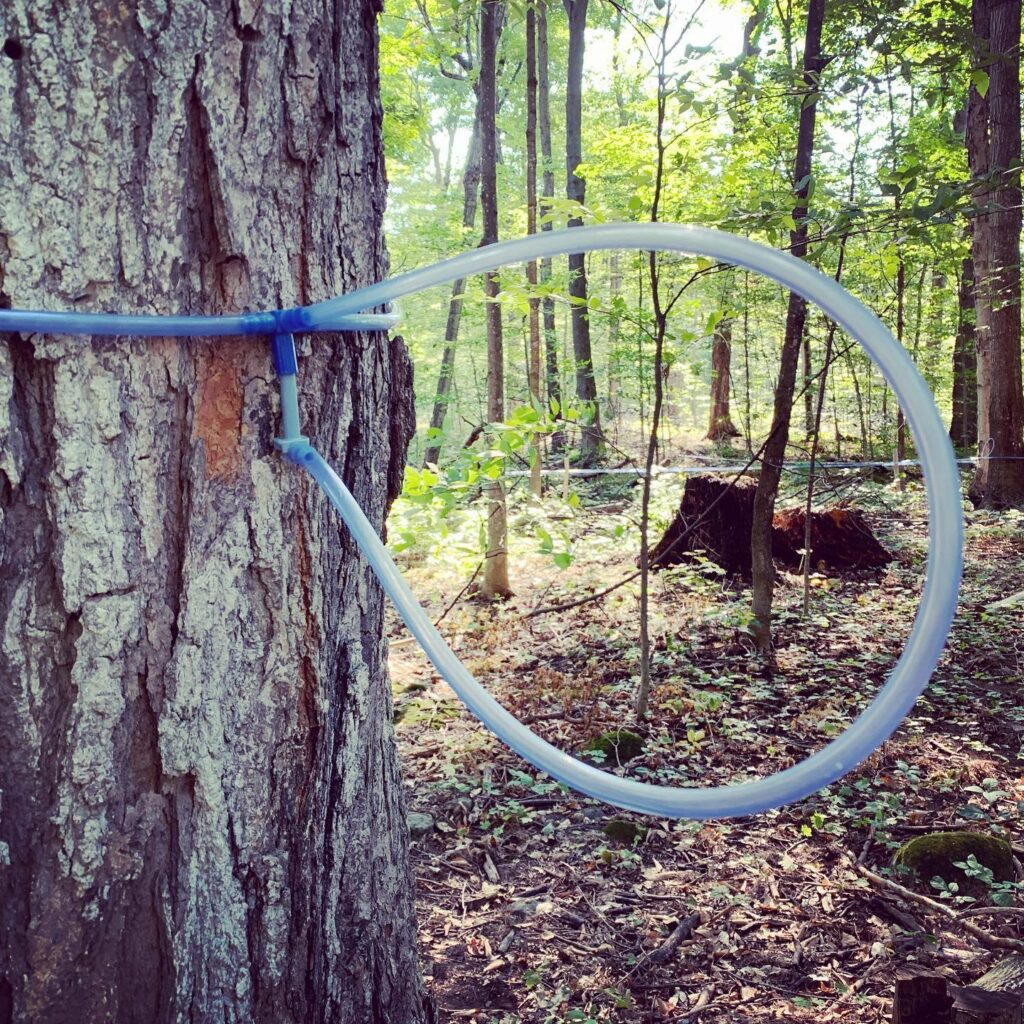
The process of making maple syrup is quite simple, and you can see it whenever you walk through a farm: producers drill small holes into the trunks of sugar maples and insert spouts to collect the sap, which is clear and only slightly sweet. The sap travels into plastic tubes from tree to tree, until it reaches collection points. The sap is then transported to the sugar shack, where it’s boiled in large evaporators. It takes about 40 liters of sap to make just one liter of syrup!
The syrup is filtered, graded by color and flavor (from golden and delicate to dark and robust), and bottled for sale.
Visiting a sugar shack
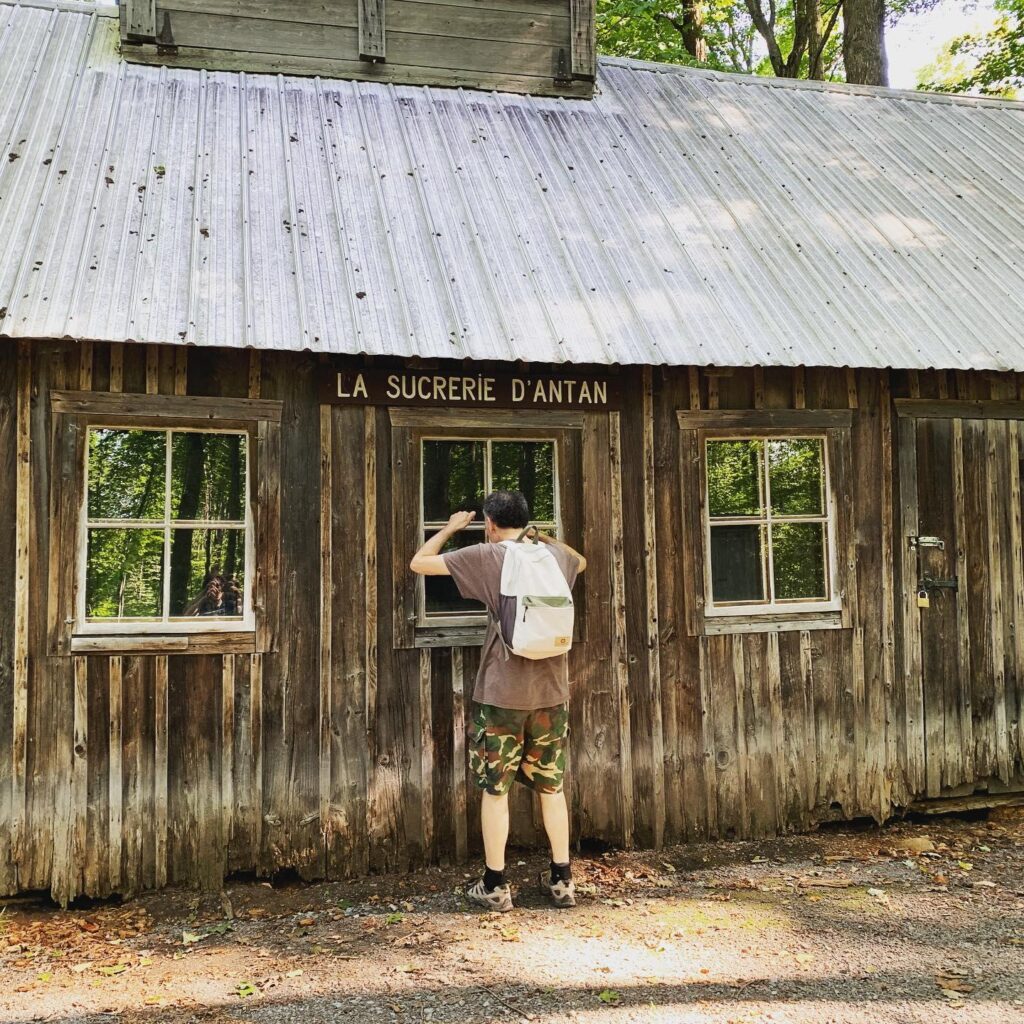
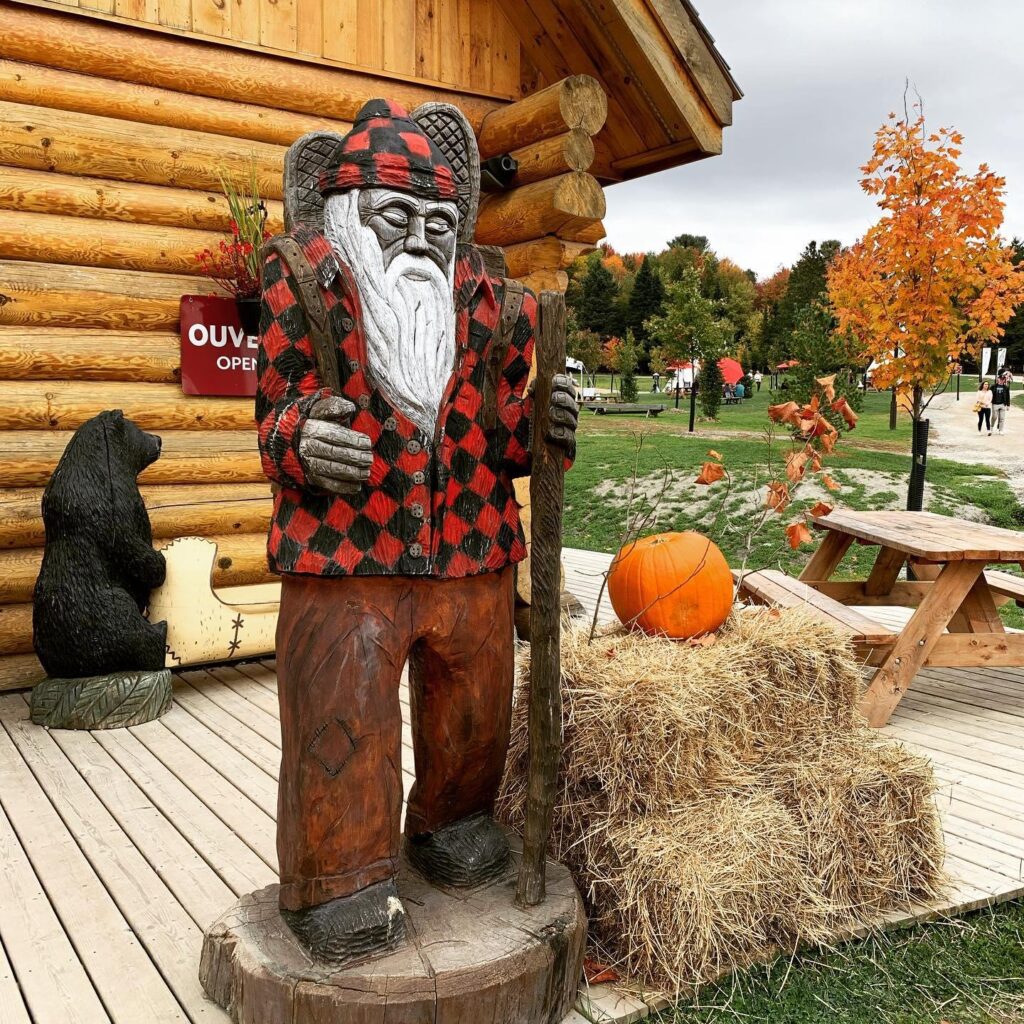
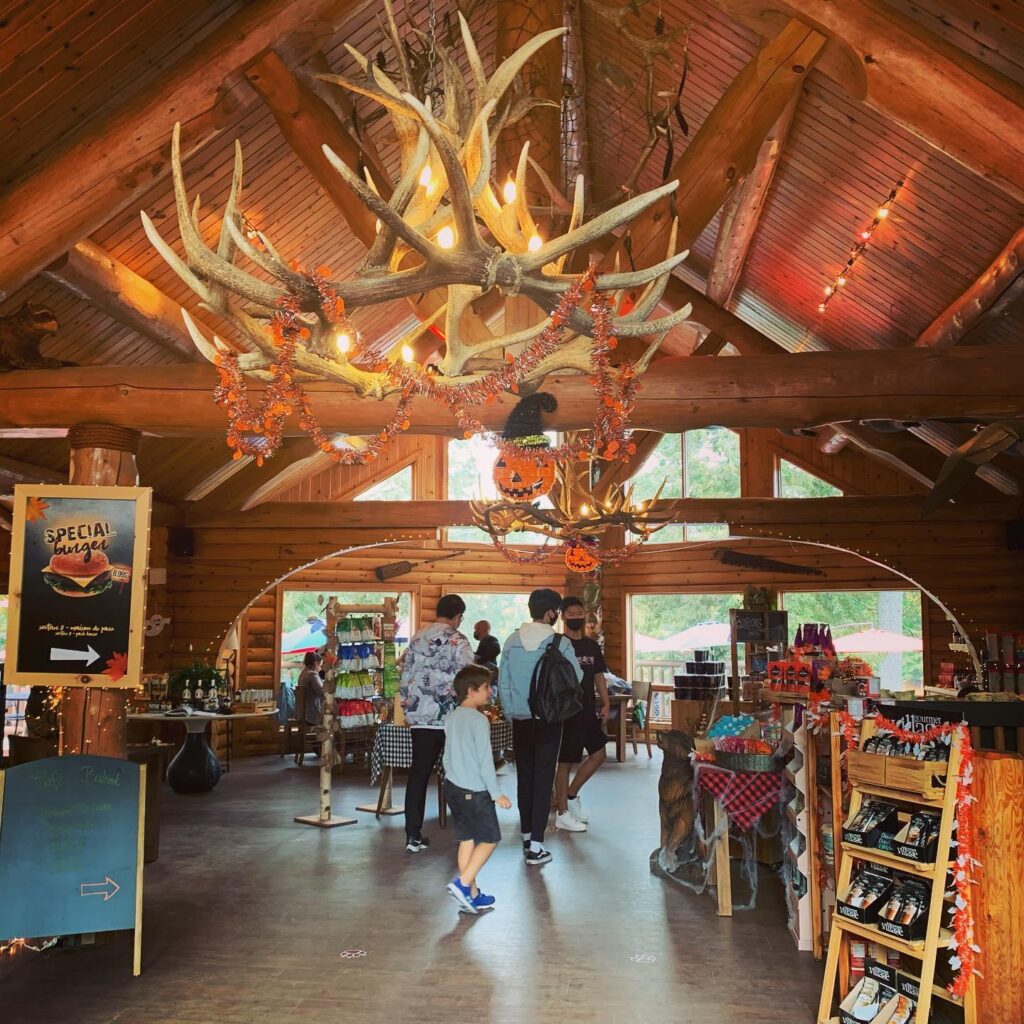
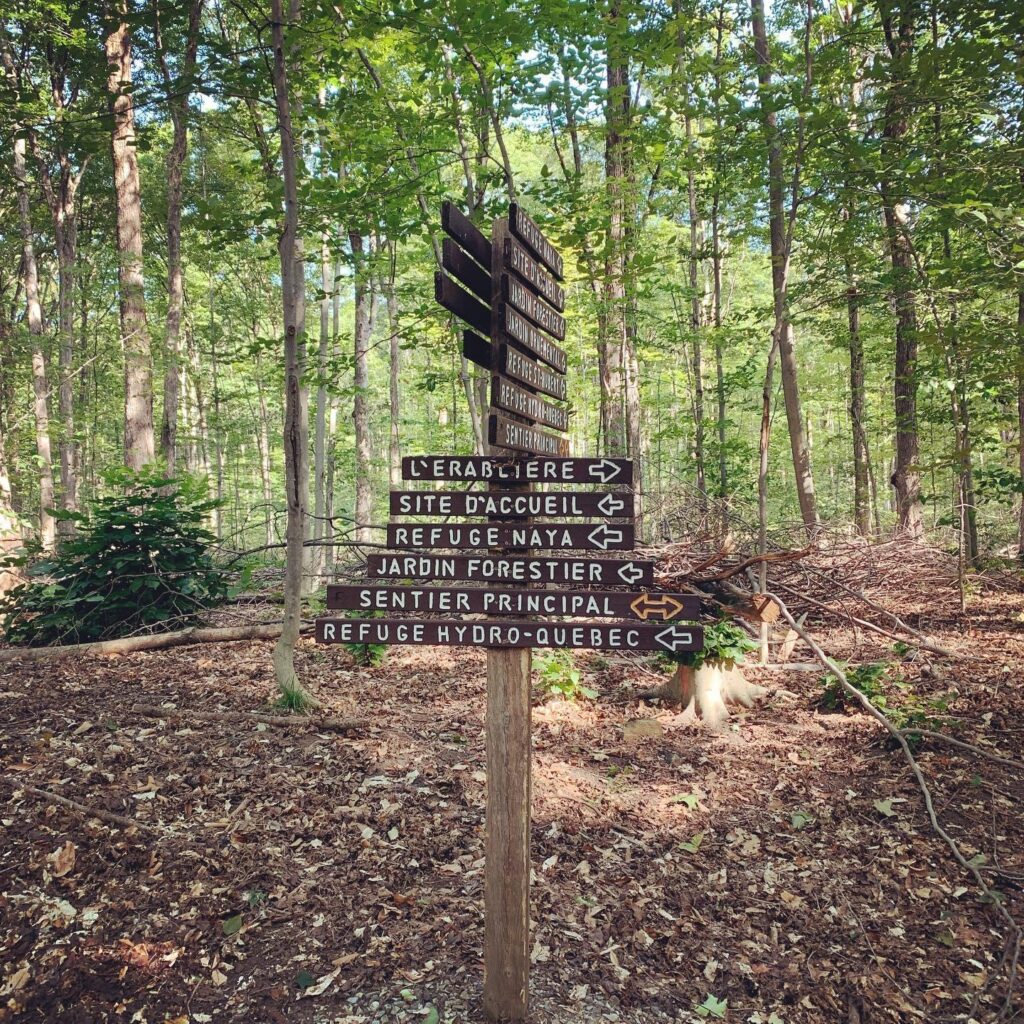
Many sucreries welcome visitors, especially during the maple season (March to April). Guests can tour the forests, watch the boiling process, and enjoy traditional meals featuring maple-infused dishes. Sugar shacks are one of the most beautiful and authentic experiences of visiting and living in Quebec. During the eight years we lived in Montreal, we have had uncountable trips to the Laurentians, exploring the beautiful forests and their sugar shacks.
Maple farms: guardians of Canadian tradition
Quebec’s maple farms are often family-run businesses passed down through generations. These farms are not just about syrup: they preserve a way of life and a deep connection to the land. Most producers follow strict environmental guidelines, ensuring the health of the forests for future generations.
Beyond syrup, farms produce a variety of maple treats, including maple butter, maple taffy (tire-sur-la-neige), and maple lollipops. Some of the largest sugar shacks also offer cooked meals incorporating maple syrup, including mashed potatoes and maple-glazed sausages, stews with beans, dairy products, and jarred sauces made with the products of the forest.
In recent years, Quebec has also seen the rise of vegetarian and vegan sugar shacks, offering the same variety with vegetarian or vegan substitutions.
Culinary uses: maple syrup in the kitchen
Maple syrup is incredibly versatile, adding depth and sweetness to both sweet and savory dishes. Since I started using it in my cooking, it has a become a staple in my daily dishes.
Sweet Applications:
- Breakfast Classics: Drizzle over pancakes, waffles, or French toast.
- Baking: Use in place of sugar in cookies, cakes, and pies for a rich, caramel-like flavor.
- Desserts: Maple syrup is the star in desserts like maple walnut pie, maple crème brûlée, and maple-glazed donuts.
Savory dishes:
- Glazes: Brush onto roasted vegetables, ham, or salmon.
- Marinades: Combine with soy sauce, garlic, and ginger for a sweet-savory marinade.
- Salad Dressings: Whisk with mustard, vinegar, and oil for a tangy-sweet dressing.
Beyond syrup: other maple delicacies
Beyond maple syrup, maples provide a wide variety of lesser known products:
- Maple Butter (beurre d’érable): a creamy spread made by blending maple syrup with butter. It’s perfect on toast, pancakes, or even as a topping for ice cream.
- Tire-sur-la-neige (maple taffy): a beloved Quebec treat made by boiling maple syrup until thick, then pouring it onto fresh snow to cool and harden. It’s eaten on a stick or with a fork—a must-try during maple season!
- Maple lollipops: pure maple syrup is boiled down and shaped into lollipops, offering a concentrated burst of maple flavor.
- Maple tea: at farmer’s markets or local stores, it’s common to find different flavors of maple tea, combining maple crystals with herbal teas.
A taste of Quebec heritage
Quebec’s maple syrup is more than a sweetener: it’s a symbol of tradition, craftsmanship, and the province’s deep connection to nature. Whether you’re visiting a sugar shack, cooking with maple syrup, or indulging in maple treats, you’re experiencing a piece of Quebec’s rich cultural heritage.
Have you ever visited a sugar shack or cooked with maple syrup? What’s your favorite way to enjoy this golden delight?