
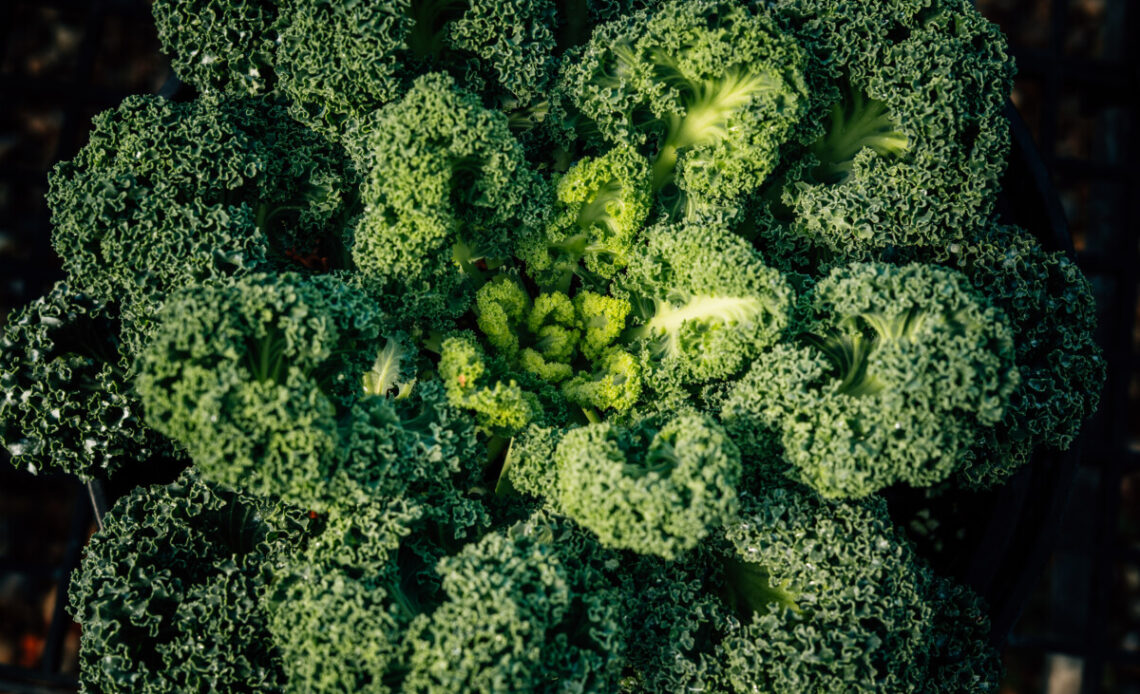
Kale, a leafy green vegetable from the Brassica family, has evolved from a humble staple in traditional cuisines to a superfood celebrated in modern kitchens. Its versatility, robust flavor, and impressive nutritional profile make it a favorite among health-conscious cooks and innovative chefs alike.
Traditional uses of kale
A staple in European cuisine
Kale has deep roots in European cuisine, particularly in regions with colder climates where hearty greens thrive. In Scotland, kale (or “kail”) was a dietary cornerstone, often boiled and served with potatoes or used in soups like Scotch broth. In Germany and the Netherlands, kale is a winter favorite, featured in dishes like Grünkohl mit Pinkel (kale with sausage) or Boerenkool (Dutch kale stew), which combine kale with smoked meats and potatoes for a warming, one-pot meal.
Portuguese and Italian tradition
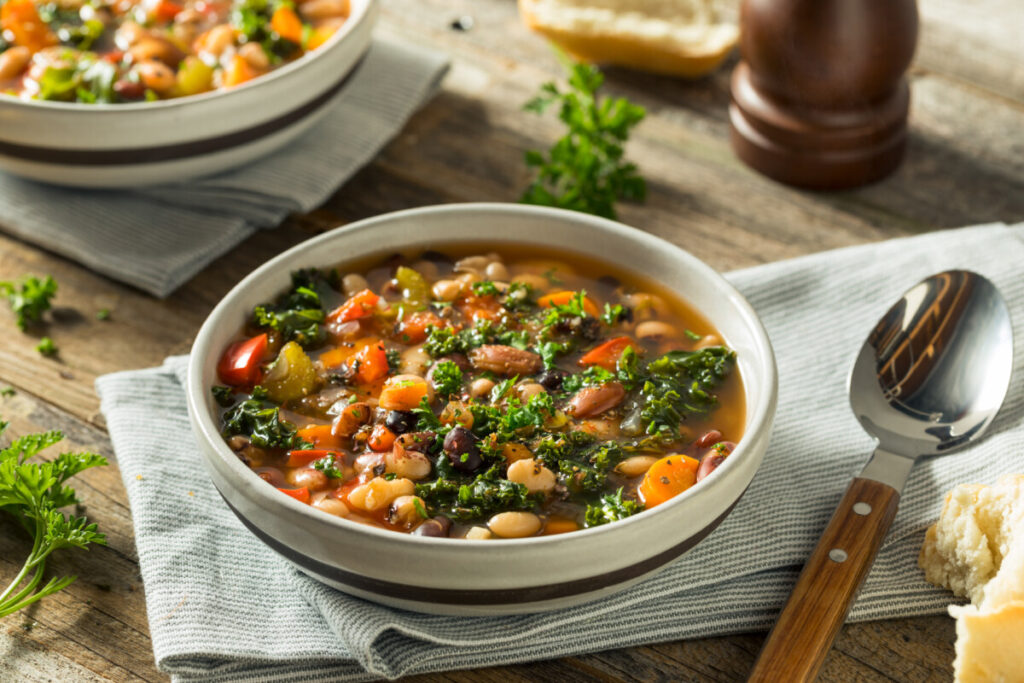
In Portugal, caldo verde—a comforting soup made with kale, potatoes, and chorizo—is a national dish, especially popular during festivals and cold weather. Meanwhile, in Italy, kale (or cavolo nero, a variety of Tuscan kale) is a key ingredient in ribollita, a thick, rustic bread and vegetable soup that dates back to medieval times.
African and American roots
In Africa, kale is often used in stews and stir-fries, such as Sukuma Wiki in Kenya, a dish of collard greens (a close relative of kale) cooked with onions, tomatoes, and spices. In the American South, kale and collards are slow-cooked with ham hocks or bacon, a tradition brought over by enslaved Africans and adapted to local ingredients.
Nutritional properties of kale
Kale is one of the most nutrient-dense foods on the planet. A single cup of raw kale (about 67 grams) contains:
- Vitamin K: 684% of the Daily Value (DV), essential for blood clotting and bone health.
- Vitamin A: 206% of the DV, supporting vision and immune function.
- Vitamin C: 134% of the DV, a powerful antioxidant.
- Calcium: 9% of the DV, important for bone health.
- Fiber: 1 gram, aiding digestion and promoting gut health.
- Antioxidants: Such as quercetin and kaempferol, which help combat oxidative stress and inflammation.
Health Benefits
- Heart health: Kale’s fiber, potassium, and antioxidants support cardiovascular health by lowering cholesterol and blood pressure.
- Anti-inflammatory: The high levels of omega-3 fatty acids and antioxidants reduce inflammation, which is linked to chronic diseases like arthritis and autoimmune disorders.
- Detoxification: Kale contains sulfur and nitrogen compounds that support the body’s natural detoxification processes.
- Bone health: The combination of calcium, vitamin K, and magnesium in kale strengthens bones and may reduce the risk of osteoporosis.
Modern culinary trends
Kale in the Superfood Spotlight
The rise of the superfood movement in the 21st century catapulted kale into the mainstream. Its popularity soared as health-conscious consumers sought nutrient-rich, plant-based foods. Kale smoothies, juices, and salads became staples in cafes and home kitchens, often paired with other trendy ingredients like avocado, quinoa, and chia seeds.
Creative and global fusion
Chefs and home cooks are reimagining kale in innovative ways:
- Kale chips: Baked or dehydrated kale leaves, seasoned with olive oil, salt, and spices, offer a crispy, healthy alternative to potato chips.
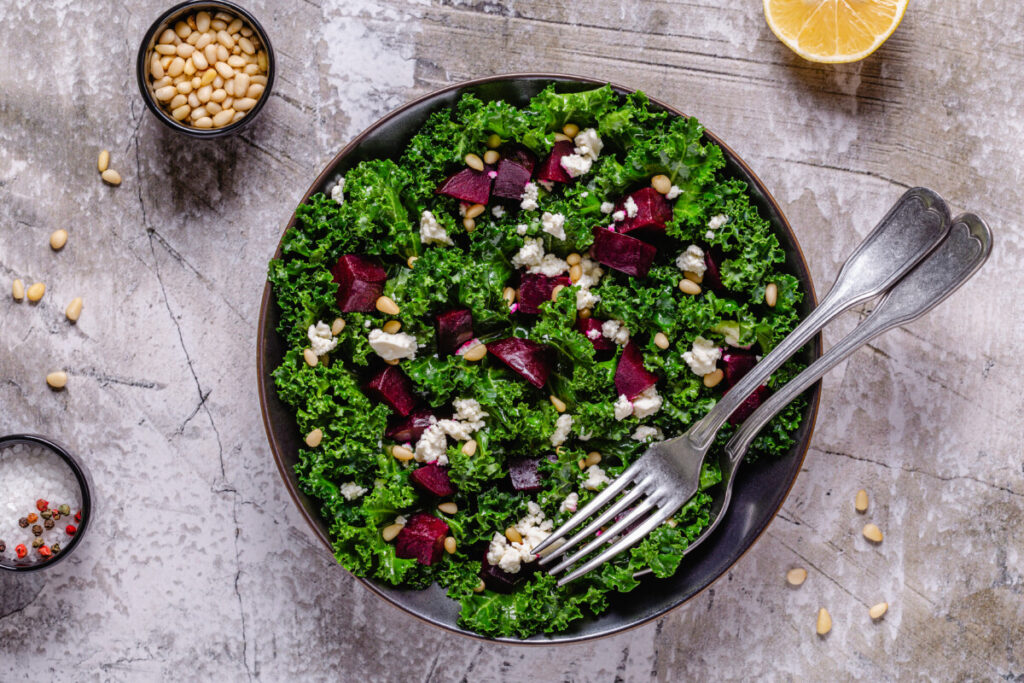
- Massaged kale salads: Raw kale is massaged with dressings (like lemon-tahini or apple cider vinegar) to soften its texture and reduce bitterness, making it more palatable in salads.
- Kale pesto: A twist on the classic Italian sauce, kale pesto blends kale with garlic, nuts, Parmesan, and olive oil for a vibrant, nutrient-packed spread.
- Smoothies and juices: Kale is a common addition to green smoothies, often combined with fruits like banana, pineapple, or berries to balance its earthy flavor.
- Fermented kale: Kimchi and sauerkraut variations now include kale, adding probiotic benefits to its nutritional profile.
Kale in fine dining
Chefs and home cooks are reimagining kale in innovative ways:
- Kale Chips: Baked or dehydrated kale leaves, seasoned with olive oil, salt, and spices, offer a crispy, healthy alternative to potato chips.
- Massaged Kale Salads: Raw kale is massaged with dressings (like lemon-tahini or apple cider vinegar) to soften its texture and reduce bitterness, making it more palatable in salads.
- Kale Pesto: A twist on the classic Italian sauce, kale pesto blends kale with garlic, nuts, Parmesan, and olive oil for a vibrant, nutrient-packed spread.
- Smoothies and Juices: Kale is a common addition to green smoothies, often combined with fruits like banana, pineapple, or berries to balance its earthy flavor.
- Fermented Kale: Kimchi and sauerkraut variations now include kale, adding probiotic benefits to its nutritional profile.
Sustainability and home gardening
Kale’s hardiness and ease of growth make it a favorite among urban gardeners and sustainability advocates. It thrives in cool weather, can be grown in containers, and even regrows from cuttings, reducing food waste. The farm-to-table movement has further popularized kale as a locally sourced, seasonal ingredient.
Tips for cooking with kale
- Choosing kale: Look for firm, deeply colored leaves with no yellowing or wilting. Smaller leaves tend to be more tender.
- Storing kale: Keep unwashed kale in a plastic bag in the refrigerator for up to 5 days. Wash just before use to prevent spoilage.
How to prepare kale for cooking
- Choosing Kale: Look for firm, deeply colored leaves with no yellowing or wilting. Smaller leaves tend to be more tender.
- Storing Kale: Keep unwashed kale in a plastic bag in the refrigerator for up to 5 days. Wash just before use to prevent spoilage.
Preparing kale
- Washing: Soak kale in cold water to remove dirt, then rinse thoroughly.
- Removing Stems: For tender dishes, remove the tough central stem by folding the leaf in half and slicing along the stem.
- Blanching: To reduce bitterness, blanch kale in boiling water for 1–2 minutes, then plunge into ice water to stop the cooking process.
How to cook kale
- Sautéing: Cook kale in olive oil or butter with garlic, onions, or chili flakes for a quick, flavorful side dish.
- Braising: Slow-cook kale with broth, tomatoes, or coconut milk for a tender, flavorful result.
- Raw: Use young, tender kale leaves in salads or as a wrap for sandwiches and spring rolls.
Kale’s journey from a traditional, hardy green to a modern superfood reflects its adaptability and nutritional value. Whether you’re drawn to its historical roots, its health benefits, or its culinary versatility, kale offers endless possibilities in the kitchen. As food trends continue to evolve, kale remains a timeless ingredient that bridges the past and the future of cooking.