
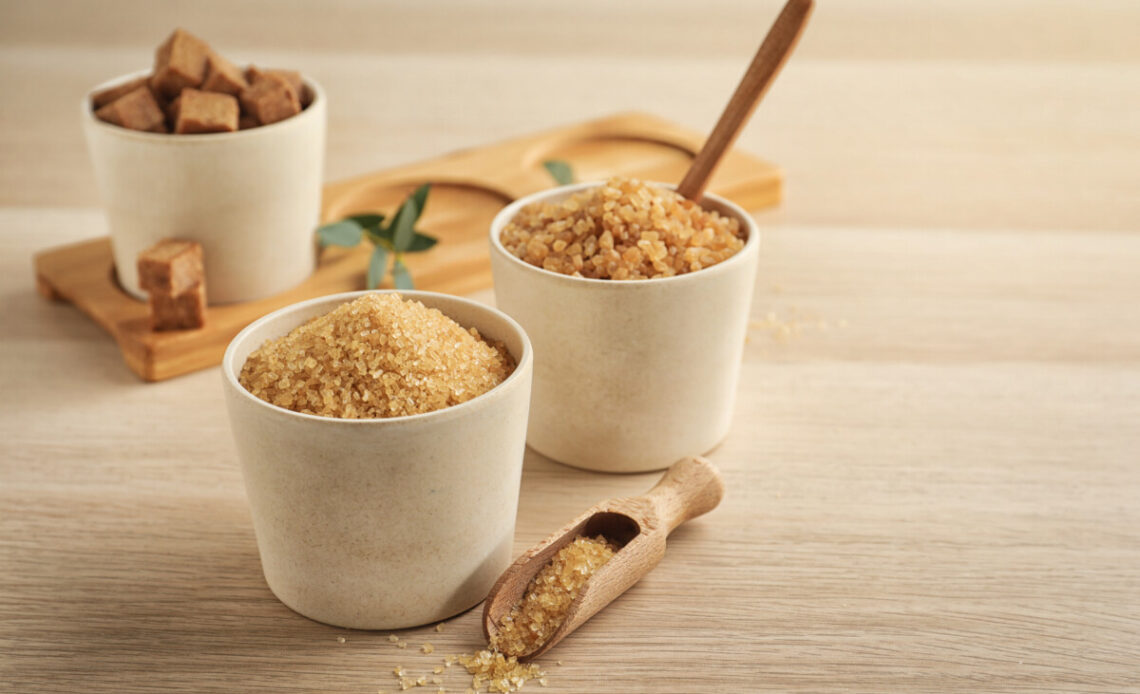
In the pantheon of French ingredients, cassonade—a coarse, unrefined brown sugar—shows the country’s love for artisanal simplicity and regional diversity. Unlike its refined white counterpart, cassonade retains the deep, molasses-like notes of sugarcane, offering a richness that has shaped generations of French desserts and everyday dishes.
A sugar with roots
Cassonade’s story begins in the sugar plantations of the French Antilles, where enslaved Africans and later indentured laborers processed sugarcane into raw, unbleached crystals. By the 17th and 18th centuries, this “rough sugar” (sucre brut) made its way to metropolitan France, particularly to port cities like Bordeaux, Nantes, and La Rochelle. Its affordability and robust flavor quickly endeared it to home cooks, especially in regions where sugarcane trade flourished.
While industrialization introduced refined white sugar, cassonade endured as a staple in rural kitchens and among bakers who prized its caramelized depth. Today, it remains a symbol of France’s colonial history and the culinary resilience of its overseas territories.
Regional pride
Cassonade’s use varies across France, reflecting local traditions and influences:
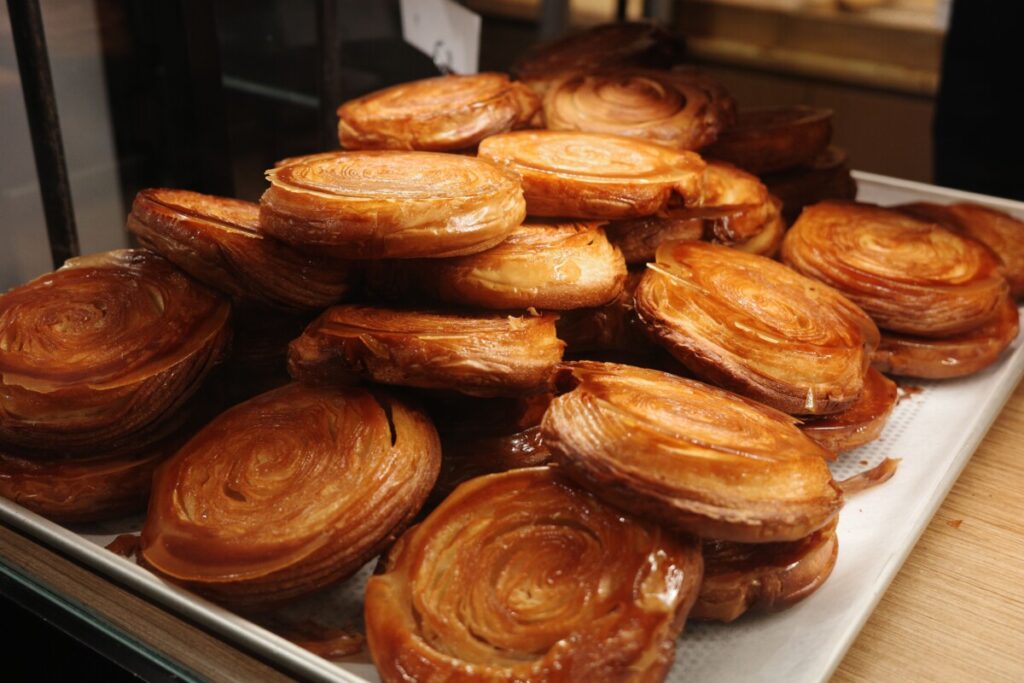
- Brittany: Here, cassonade is indispensable in kouign-amann, the buttery, caramelized pastry that embodies Breton indulgence. Its coarse texture helps create the dish’s signature crisp, sugary crust.
- Normandy: Apple-based desserts, such as tarte normande or teurgoule (a spiced rice pudding), often rely on cassonade for its warm, earthy sweetness.
- Northern France: In Flanders and Picardy, pain au sucre or gaufres (waffles) are sweetened with cassonade, a nod to the region’s historical ties to the sugar trade.
- French Antilles: In Guadeloupe and Martinique, cassonade is used in dous makòk (coconut cake) and blaff (a rum-infused dessert), where its molasses notes complement tropical flavors like coconut, banana, and spice.
What makes cassonade different from other sugars?
What sets cassonade apart from other brown sugars?
- Texture: Its large, irregular crystals dissolve slowly, providing bursts of sweetness and a satisfying crunch in baked goods.
- Flavor: The residual molasses gives it a deeper, almost toffee-like taste compared to white sugar or even vergeoise (a finer Belgian brown sugar).
- Color: Ranging from golden to dark brown, cassonade adds a rustic hue to dishes, making it a favorite for glazes and caramelized toppings.
Unlike muscovado or turbinado sugar, cassonade is less processed but not as moist, striking a balance between intensity and versatility.
Modern uses and tips
While cassonade is a star in traditional recipes, modern French cooks also use it to:
- Enhance coffee or tea: A spoonful of cassonade adds complexity to hot beverages, especially café au lait or spiced chai.
- Garnish desserts: Sprinkled over crème brûlée or fresh fruit, it lends a textural contrast and a hint of caramel.
- Balance savory dishes: In some regional cuisines, cassonade is used to glaze meats (like jambon au sucre) or to counter the acidity in sauces for game or duck.
Pro tip: To substitute cassonade in recipes, mix white sugar with a touch of molasses, though the texture won’t be identical. For baking, its coarse grains may require dissolving in liquid first to ensure even distribution.
A sweet legacy
Cassonade is more than an ingredient; it’s a bridge between France’s colonial past and its contemporary culinary identity. Its enduring popularity—from artisanal bakeries to home kitchens—speaks to a broader appreciation for ingredients that carry history, terroir, and a touch of imperfection. In a world of refined sweeteners, cassonade reminds us that sometimes, the most flavorful stories are the ones left unpolished.