
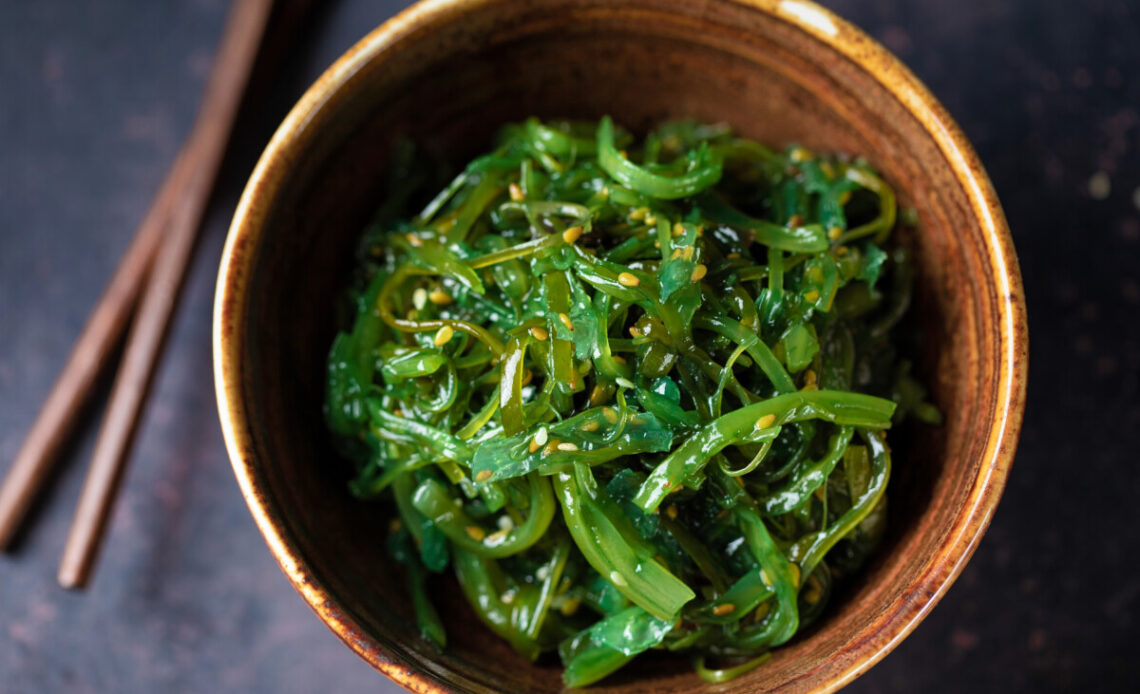
Seaweed is no longer just a staple of coastal communities: it’s a global culinary trend. From the umami-rich broths of Japan to the crispy dulse snacks of Northern Ireland, seaweed is celebrated for its unique flavors, nutritional punch, and sustainability. Whether you’re a seasoned chef or a curious home cook, incorporating seaweed into your kitchen opens up a world of possibility.
Seaweed in world cuisines
Seaweed has been a dietary cornerstone in many cultures for centuries. Here’s how different regions make the most of this oceanic treasure.
Asia: the heartland of seaweed cuisine
- Japan: Nori is the star, used for sushi rolls and onigiri. Kombu forms the base of dashi, a fundamental broth in Japanese cooking, while wakame adds a delicate crunch to miso soup and salads.
- Korea: Gim, or roasted seaweed, is a beloved snack and a wrap for rice and vegetables. Miyeok, a type of brown seaweed, is traditionally eaten in soups, especially by new mothers for its health benefits.
- China: Hijiki and seaweed noodles are common in stir-fries and hot pots, prized for their texture and mineral content.
Europe: coastal traditions
- Ireland & UK: In Northern Ireland, dulse is fried until crispy and enjoyed as a bar snack or seasoning. Wales is famous for laverbread, a mix of seaweed and oatmeal, often served with bacon.
- Iceland: Dulse is used in bread, soups, and as a salty seasoning, reflecting the island’s deep connection to the sea.
- France: In Brittany, sea lettuce is a popular addition to salads and seafood dishes, valued for its fresh, briny taste.
The Americas: from tradition to innovation
- Canada: Atlantic dulse is used in chowders, as a seasoning, or simply eaten as a snack.
- Peru & Chile: Cochayuyo, a type of red algae, is a key ingredient in hearty stews and ceviche.
- USA: Seaweed is making waves in fusion cuisine, appearing in everything from poke bowls to seaweed-infused cocktails and as a salt substitute.
Africa & Oceania: hidden gems
- South Africa: Seaweed is used in traditional Xhosa and Zulu dishes, often dried and rehydrated in soups.
- New Zealand: Karengo, a red algae, is a traditional Māori food, often used in salads or as a garnish.
Types of seaweed and their culinary uses
Not all seaweed is created equal. Each type brings its own flavor, texture, and best uses to the table.
| Seaweed Type | Flavor Profile | Common Uses |
|---|---|---|
| Nori | Mild, briny | Sushi, wraps, snacks |
| Dulse | Smoky, bacon-like | Fried, seasoning, soups |
| Kombu | Rich, umami | Broths, beans, pickles |
| Wakame | Sweet, tender | Salads, miso soup |
| Hijiki | Strong, earthy | Stir-fries, rice dishes |
| Sea Lettuce | Delicate, fresh | Salads, garnishes |
| Irish Moss | Gelatinous | Desserts, smoothies, thickener |
Where to buy seaweed
Ready to start cooking with seaweed? Here’s where to find it:
- Local health food stores: Stock up on dried nori, dulse, and wakame.
- Asian grocers: Offer a wide variety, especially for Japanese and Korean cuisines.
- Online retailers: Websites like Amazon, or specialty shops such as Atlantic Irish Seaweed and Seaweed & Co., deliver straight to your door.
- Farmers markets: Look for local foragers or seaweed harvesters, especially in coastal areas.
- Foraging: If you live near the coast, you can forage your own seaweed. Always ensure you’re harvesting sustainably and can correctly identify edible species.
Health benefits of seaweed
Seaweed is a delicious nutritional powerhouse.
- Rich in iodine: Essential for thyroid function and metabolism.
- Mineral powerhouse: Packed with calcium, iron, magnesium, and potassium.
- Vitamin boost: Contains vitamins A, C, E, K, and B vitamins, including B12, making it a great option for vegans.
- Antioxidant-rich: Helps protect your cells from damage.
- High in fiber: Supports digestive health and keeps you feeling full.
- Low calorie, high nutrient density: Perfect for those looking to add nutrition without extra calories.
Cooking tips and recipe ideas
For beginners
- Seaweed salad: Rehydrate wakame, toss with sesame oil, rice vinegar, and soy sauce.
- Nori wraps: Use nori sheets to wrap rice, veggies, and protein for a quick, healthy meal.
- Dulse chips: Fry or bake dulse until crispy for a salty, smoky snack.
For the adventurous
- Kombu dashi: Simmer kombu in water to create a flavorful broth for soups, stews, or cooking grains.
- Seaweed butter: Blend dried seaweed into softened butter for a unique, umami-rich spread.
- Seaweed pesto: Combine seaweed with garlic, nuts, olive oil, and Parmesan for a twist on classic pesto.
Baking and desserts
- Seaweed bread: Add powdered seaweed to bread dough for extra flavor and nutrients.
- Irish moss pudding: Use Irish moss as a natural thickener for desserts and smoothies.
Sustainability and ethical harvesting
Seaweed is one of the most sustainable foods on the planet. It grows quickly, requires no freshwater or fertilizers, and actively absorbs CO2 from the atmosphere. However, it’s important to source seaweed responsibly. Look for certifications or buy from reputable suppliers who prioritize ethical harvesting practices to protect marine ecosystems.
Seaweed is a versatile, nutritious, and sustainable ingredient that deserves a place in every kitchen. Whether you’re drawn to its health benefits, its unique flavors, or its eco-friendly credentials, there’s a type of seaweed and a recipe out there for you. So why not dive in and start exploring the world of seaweed cuisine today?
What’s your favorite way to cook with seaweed? Or is there a type you’re eager to try?