
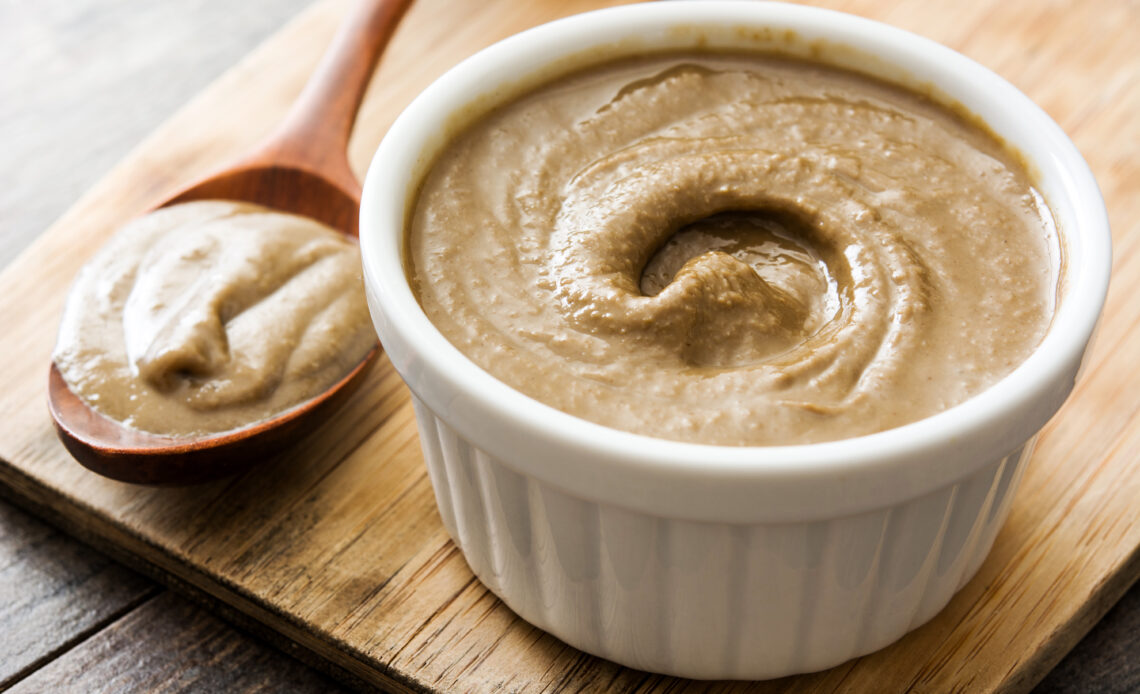
Tahini is a rich, nutty paste made from ground sesame seeds. It’s one of the most versatile and underrated ingredients in global cuisine. A staple in Middle Eastern, Mediterranean, and North African kitchens, tahini adds depth, creaminess, and a unique toasty flavor to both savory and sweet dishes. Whether you’re whipping up hummus, drizzling it over falafel, or baking it into cookies, tahini is a game-changer.
What is tahini?
Tahini (also called tahina in some regions) is a thick, smooth paste made from toasted, ground sesame seeds. Its flavor is nutty, slightly bitter, and earthy, with a consistency similar to peanut butter. Tahini is a cornerstone of Middle Eastern cuisine, but its uses span cultures and continents, from Asia to the Mediterranean.
How is tahini made?
- Sesame seeds: High-quality tahini starts with hulled sesame seeds, which are cleaned and sometimes lightly toasted to enhance their flavor.
- Grinding: The seeds are ground into a fine paste, releasing their natural oils and creating a smooth, pourable texture.
- No additives: Traditional tahini contains only sesame seeds. No oils, preservatives, or sweeteners. Some commercial brands may add oil for a smoother consistency.
Fun Fact: Tahini is naturally gluten-free, vegan, and packed with protein, healthy fats, and minerals like calcium and iron.
Where is tahini used?
Tahini is a culinary powerhouse in many cuisines:
- Middle East: The backbone of dishes like hummus, baba ganoush, and halva.
- Mediterranean: Used in dips, dressings, and sauces for grilled meats and vegetables.
- North Africa: A key ingredient in tagines, couscous, and sweet pastries.
- Asia: Found in Japanese goma dare (sesame dressing) and Korean dishes.
- Modern Cuisine: Chefs worldwide use tahini in salad dressings, desserts, and even ice cream!
How to use tahini in cooking
Tahini’s creamy texture and bold flavor make it incredibly versatile. Here are some delicious ways to incorporate it into your cooking:
Classic dips and spreads
- Hummus: The most famous tahini dish! Blend chickpeas, tahini, lemon juice, garlic, and olive oil for a smooth, creamy dip.
- Baba Ganoush: Smoky roasted eggplant mixed with tahini, garlic, and lemon—perfect with pita.
- Tahini Sauce: Whisk tahini with lemon juice, garlic, water, and salt for a drizzling sauce over falafel, grilled veggies, or meat.
Pro Tip: If your tahini sauce is too thick, thin it with ice-cold water for a silky texture.
Salad dressings and marinades
- Tahini-lemon dressing: Whisk tahini with lemon juice, olive oil, garlic, and a touch of maple syrup for a creamy, tangy dressing over greens or roasted vegetables.
- Marinade for grilled meats: Mix tahini with yogurt, garlic, and spices to marinate chicken, lamb, or fish before grilling.
Try This: Drizzle tahini dressing over a roasted sweet potato and chickpea bowl for extra richness.
Sweet treats
- Tahini Cookies: Swap peanut butter for tahini in cookie recipes for a nutty, rich twist.
- Halva: A sweet, crumbly confection made from tahini and sugar, often flavored with vanilla or cocoa.
- Brownies & blondies: Add tahini to batter for a fudgy, moist texture and deep flavor.
Dessert Hack: Mix tahini with honey and drizzle over ice cream or fresh fruit for a decadent topping.
Breakfasts and snacks
- Tahini toast: Spread tahini on toast and top with banana slices, honey, and sea salt for a quick breakfast.
- Smoothies: Blend tahini into smoothies for a nutty, protein boost.
- Energy balls: Combine tahini with oats, dates, and cocoa for no-bake snacks.
Morning boost: Stir tahini into oatmeal or yogurt for a creamy, satisfying start to the day.
Unexpected uses
- Soups: Swirl tahini into lentil or tomato soup for a velvety finish.
- Pasta sauce: Blend tahini with roasted red peppers and garlic for a creamy, dairy-free pasta sauce.
- Vegan cheese: Use tahini as a base for plant-based cheese sauces.
Culinary adventure: Try tahini in Asian-inspired dishes, like a sesame-tahini glaze for noodles or dumplings.
Buying tips
- Look for 100% sesame seed tahini with no added oils or preservatives.
- Light vs. Dark Tahini: Lighter tahini is made from hulled seeds and has a milder flavor, while darker tahini (from unhulled seeds) is more robust and bitter.
Storage tips
- Unopened: Store in a cool, dark pantry for up to a year.
- Opened: Keep in the fridge to prevent separation. Stir well before each use.
- If It Separates: Don’t worry! Just stir the oil back in before using.
Did you know? Tahini can separate like natural peanut butter—this is normal! A good stir brings it back to life.
Tahini FAQ
Q: Is tahini the same as sesame oil?
A: No! Tahini is a paste made from ground sesame seeds, while sesame oil is an extracted oil used for cooking and flavoring.
Q: Can I make tahini at home?
A: Yes! Toast sesame seeds lightly, then blend in a food processor with a bit of oil until smooth.
Q: Is tahini gluten-free?
A: Yes, tahini is naturally gluten-free, making it a great option for those with dietary restrictions.
Q: What’s the difference between tahini and peanut butter?
A: Tahini is made from sesame seeds and has a nuttier, more bitter flavor, while peanut butter is sweeter and made from peanuts.
Tahini culinary magic
Tahini is a flavor enhancer, a texture transformer, and a nutritional powerhouse. From creamy dips to decadent desserts, its versatility knows no bounds. Once you start cooking with tahini, you’ll wonder how you ever lived without it!
What’s your favorite way to use tahini? Share your go-to recipes or tips, let’s spread the tahini love!