
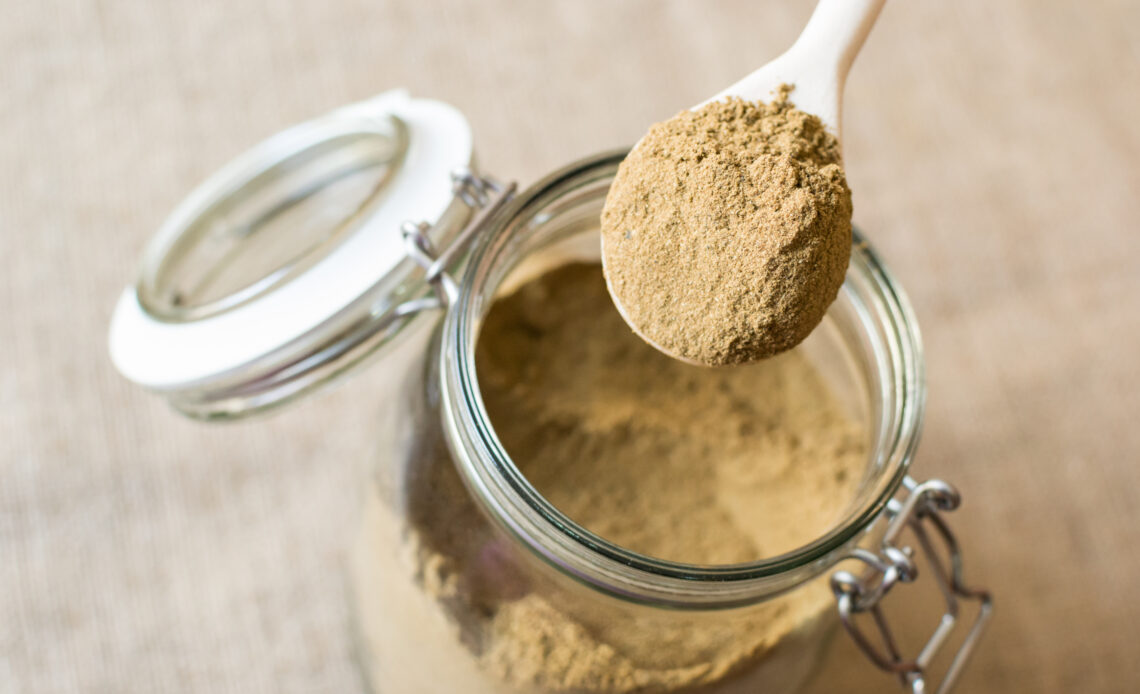
Gofio is a traditional toasted flour made from cereals like wheat, corn, or barley, and sometimes mixed with legumes. It has been a dietary cornerstone in the Canary Islands for centuries, prized for its long shelf life, nutritional value, and versatility. Today, gofio is celebrated as a symbol of Canarian identity and culinary heritage.
The Gofio Museum in Tenerife
I discovered gofio a few months after moving to the Canary Islands. Friends living on the island talked to us about it, and only then I started noticing it in the islands of supermarkets. It’s everywhere, yet, I hadn’t registered it before. Then, one day, my husband and I were visiting La Orotava (the old part of Puerto de La Cruz), and we passed by the Gofio Museum. As tickets are sold jointly with the House of Balconies (or “Casa de Los Balcones“, a must see in La Orotava), we decided to visit both.
The Gofio museum is a gofio mill that has been preserved to display the activities that took place to produce the flour the traditional way. Unlike other mills that we have visited all over the world, this one is very curated and it incorporates video reconstructions and art exhibitions from local artists, making it a bit of a hybrid experience rather than a purely historical visit.
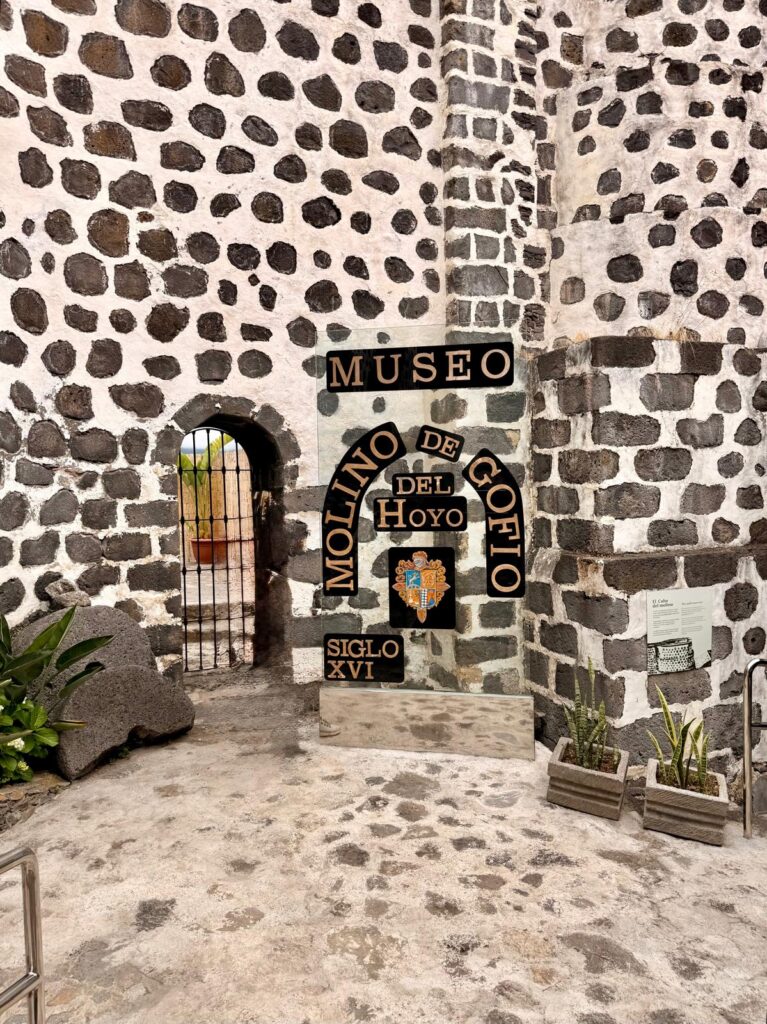
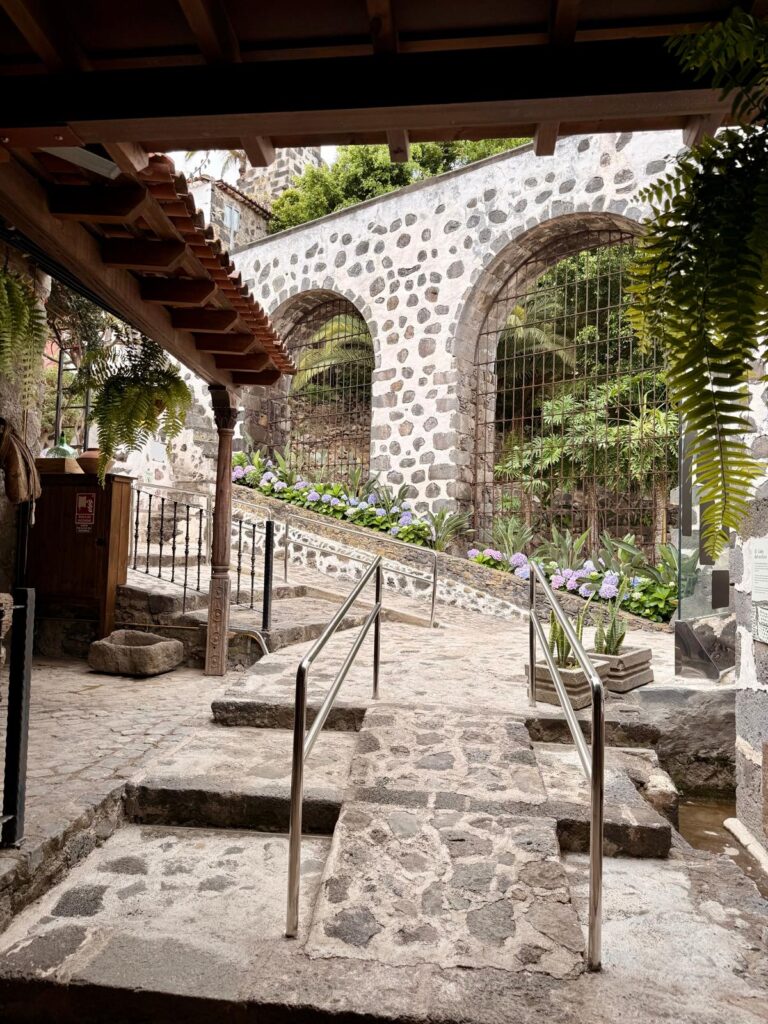
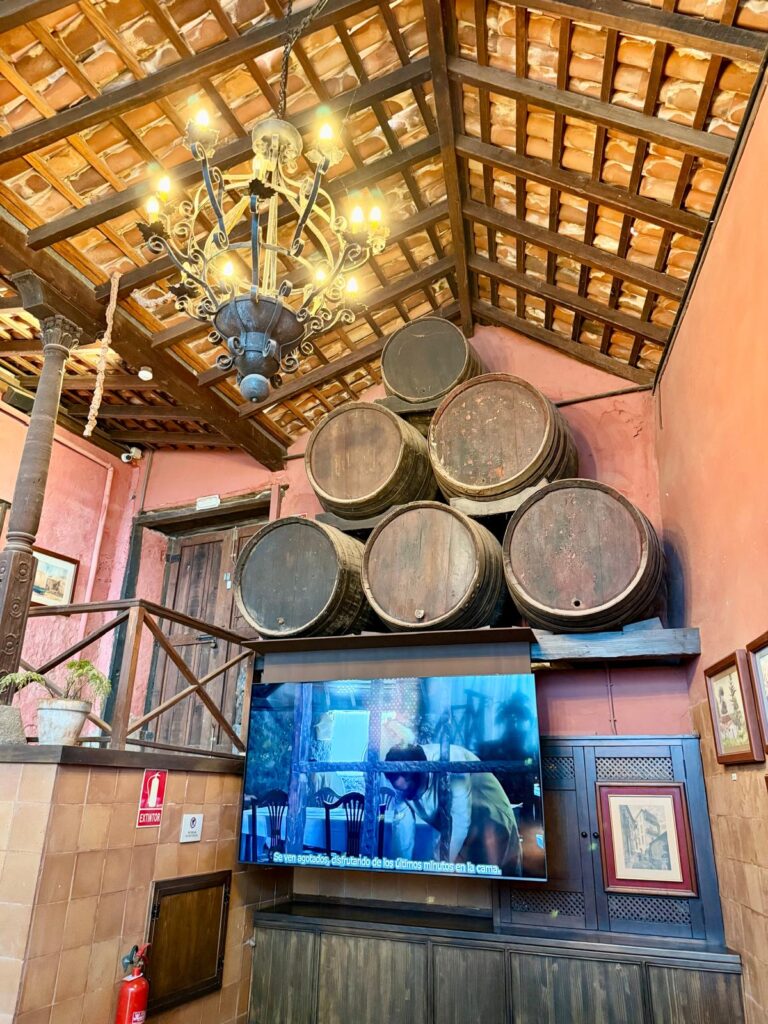
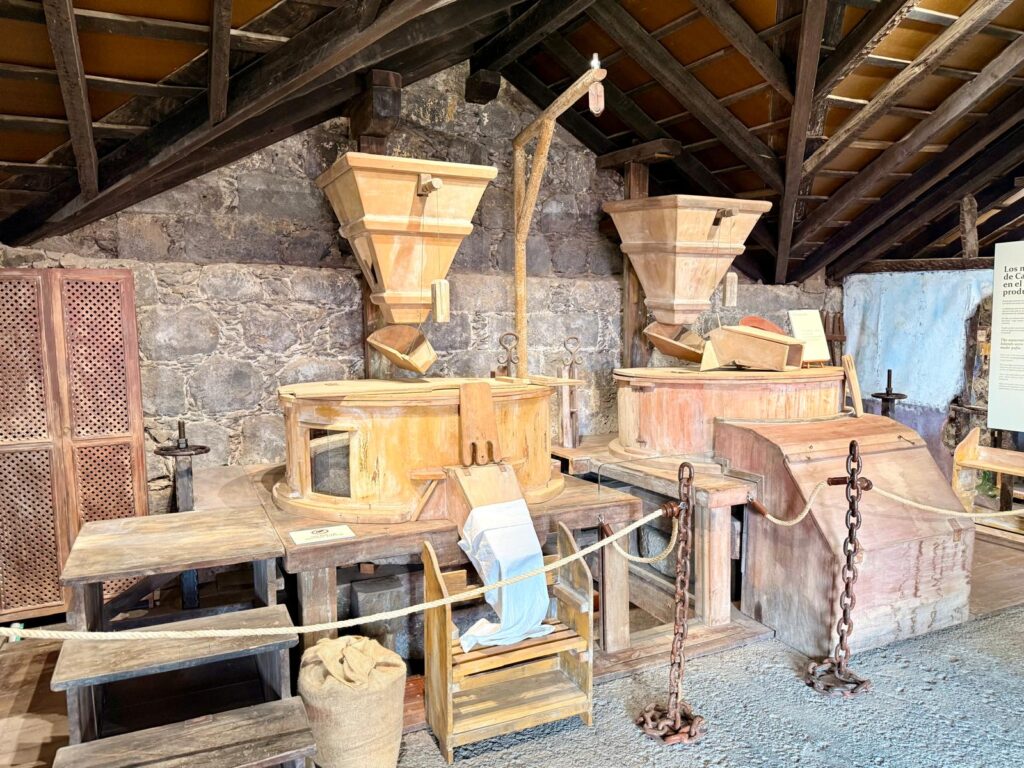
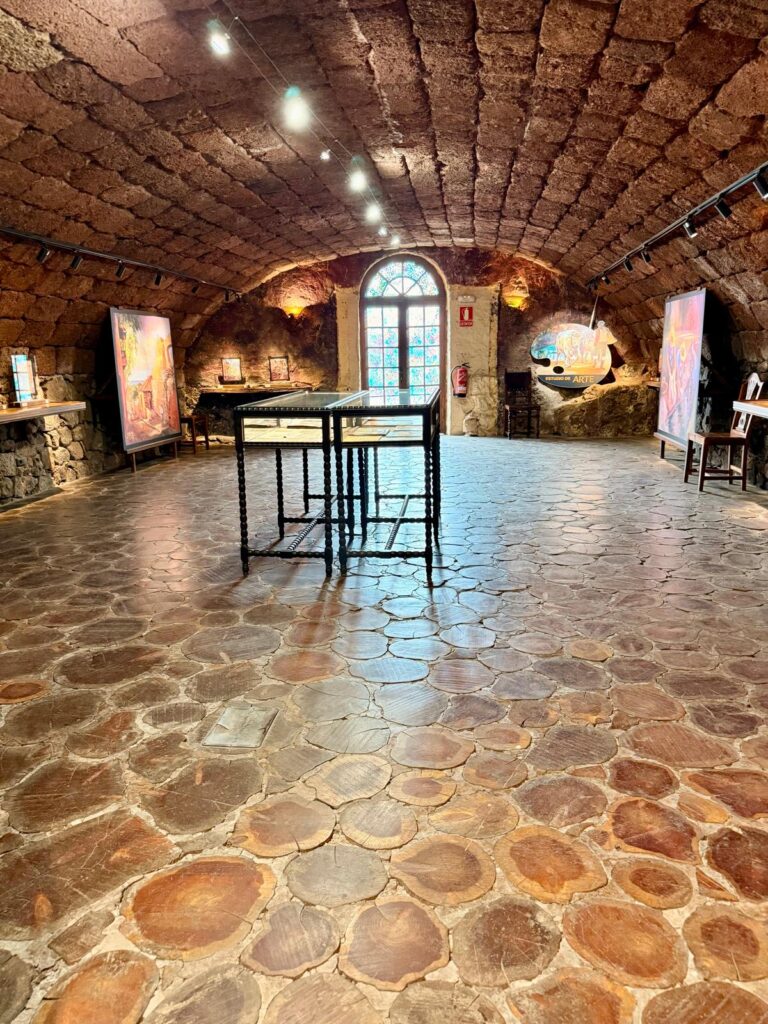
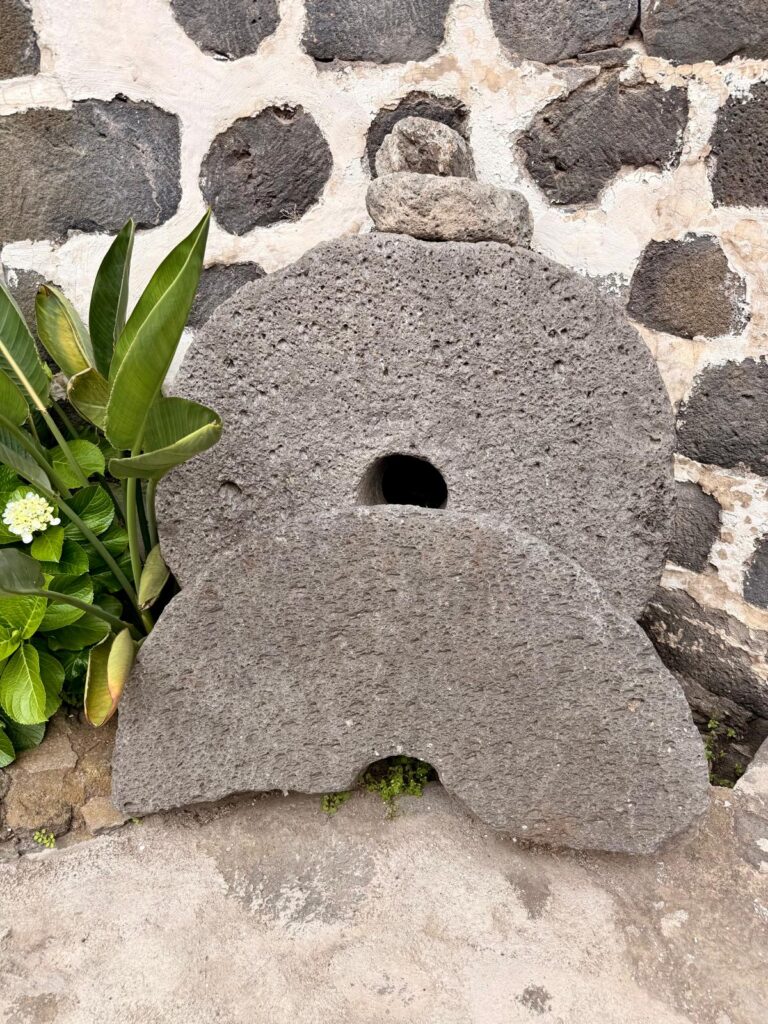
While the museum does a good job in describing the processes involved in the production, the big miss is that there is no gofio at all to see, smell or touch. As it is a very fragrant flour, it’s a quite a missed opportunity for visitors: a whiff of the flour would encourage many to try it. However, there is a little store just at the exit of the museum, where you can buy gofio in many varieties.
The history of gofio
Gofio has pre-hispanic origins: It was already a staple food among the indigenous Guanches, the original inhabitants of the Canary Islands, long before the Spanish conquest. They toasted and ground cereals, a method that preserved the flour and made it easy to transport. After the Spanish arrival in the 15th century, new cereals like wheat and barley were introduced, but the traditional method of toasting and grinding remained. Gofio became a vital food source during times of scarcity and for sailors on long voyages.
In recent decades, gofio has experienced a resurgence as a gourmet ingredient, appearing in both traditional and innovative dishes.
How is gofio made?
Traditionally, gofio is made from wheat, corn, or barley, sometimes mixed with chickpeas or other legumes. This makes it a proteic and versatile flour. The grains are toasted in a special oven or over a fire, then ground into a fine flour. The toasting process gives gofio its distinctive nutty flavor and extends its shelf life.
Typical dishes and uses
Gofio is incredibly versatile and can be used in both sweet and savory dishes:
| Dish Name | Description |
|---|---|
| Gofio Escaldado | A hearty porridge made with gofio, fish or meat broth, and sometimes cheese or onions. |
| Gofio Mousse | A sweet dessert made with gofio, milk, sugar, and sometimes cinnamon or almonds. |
| Gofio Ice Cream | A modern twist, using gofio to add a unique, toasty flavor to ice cream. |
| Gofio Bread | Used as an ingredient in bread or mixed with water and salt for a simple, rustic loaf. |
| Gofio with Milk | A classic breakfast or snack, mixed with milk and sugar, sometimes with honey or fruit. |
Nutritional value and health benefits
Gofio is a good source of dietary fiber and plant-based protein. Due to the toasting process, gofio can be stored for months without spoiling. Besides, corn-based gofio is naturally gluten-free, making it suitable for people with gluten sensitivities.
Cultural significance
Gofio is deeply tied to Canarian culture and is often featured in local festivals and gastronomic events. In 2021, the traditional process of making gofio was recognized as part of the Canary Islands’ intangible cultural heritage.
Where to find gofio
Gofio is widely available in markets and supermarkets across the Canary Islands. Many specialty food stores and websites now sell gofio internationally, allowing people around the world to experience this unique ingredient.
My personal take on using gofio as an ingredient
While on the island, our neighbors offered us traditional, home-made dishes made with gofio. From bread to desserts, gofio is a rich ingredient, and it is used quite generously. Sticky pudding-like desserts with palm-honey and nuts look inviting but they can be extremely heavy. WIth time, I have incorporarated gofio in my cooking, in moderation and more for fragrance than substance. One of my favorites is a (much) lighter version of Gofio Escaldado, which makes for a delicious dish to warm you up in rainy and humid days.
What I learned is that gofio is more than just a food: it’s a living piece of Canarian history and culture. Whether enjoyed in a traditional recipe or used in a modern gourmet dish, gofio continues to captivate with its rich flavor and deep roots.