Changing countries always implies a certain food shock: different products, unknown brands, new flavors and spices. Adapting is a process: I personally like to focus on the positives. Yet, after a while, I start missing those little things that made me happy in the kitchen.
The honeymoon period
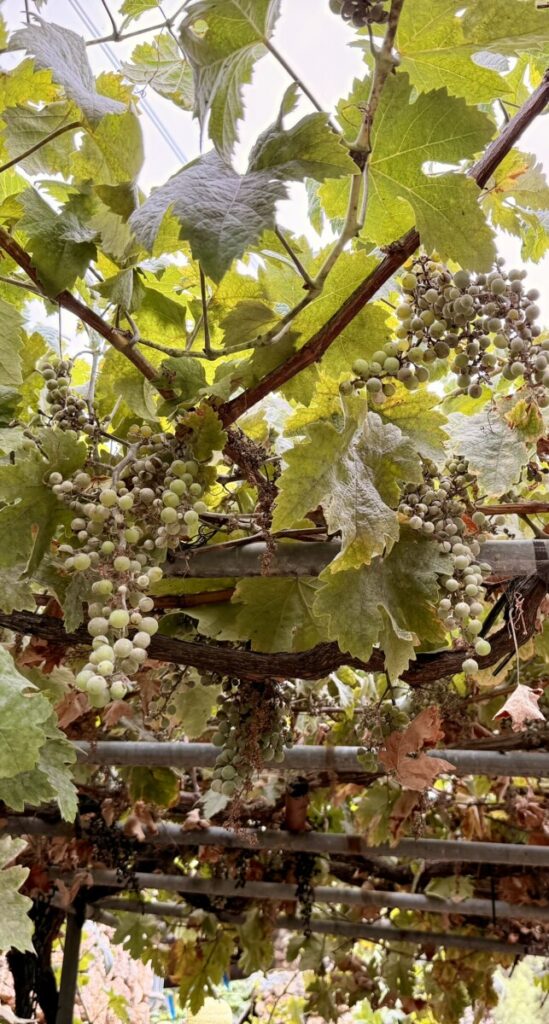
When we moved from Ontario (Canada) to the Canary Islands (Spain), I immediately noticed how ripe and flavorful tropical fruits were. Bananas, papayas, mangoes, and avocados were locally grown and tasted amazing. Moreover, for the first few months of our Canary life, we lived in a rural home with many fruit trees on the property: we could pick lemons, avocados, prunes, and grapes straight from our garden. We also had big lavender bushes, peppermint, and we planted basil and rosemary to always have fresh herbs.
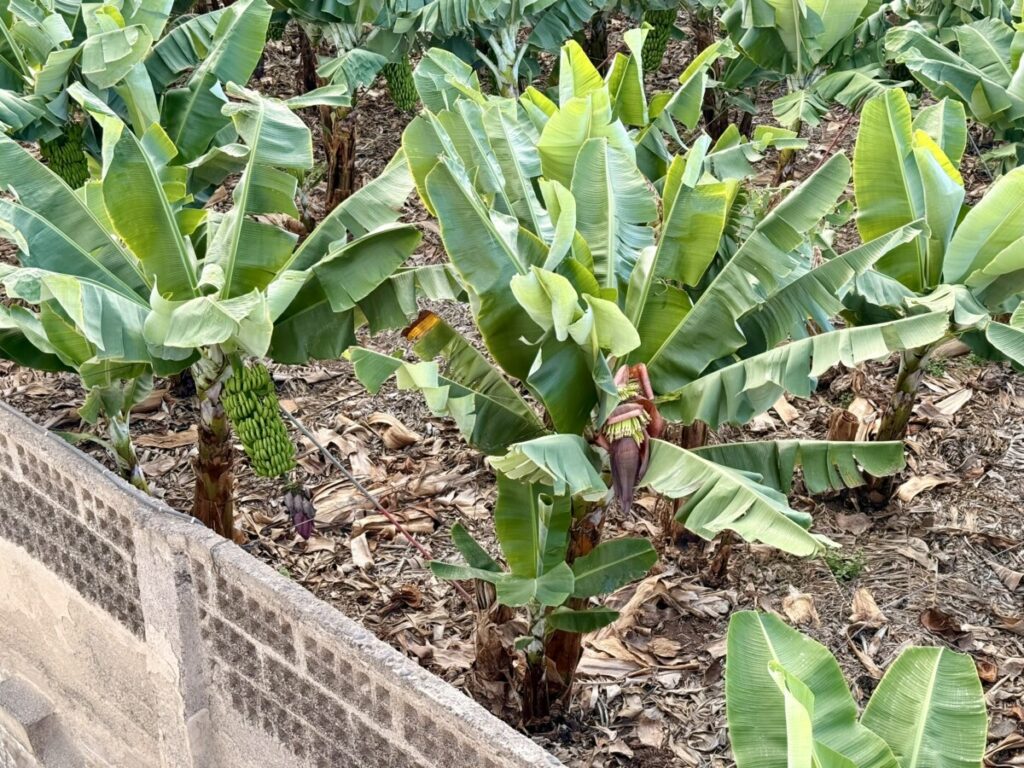
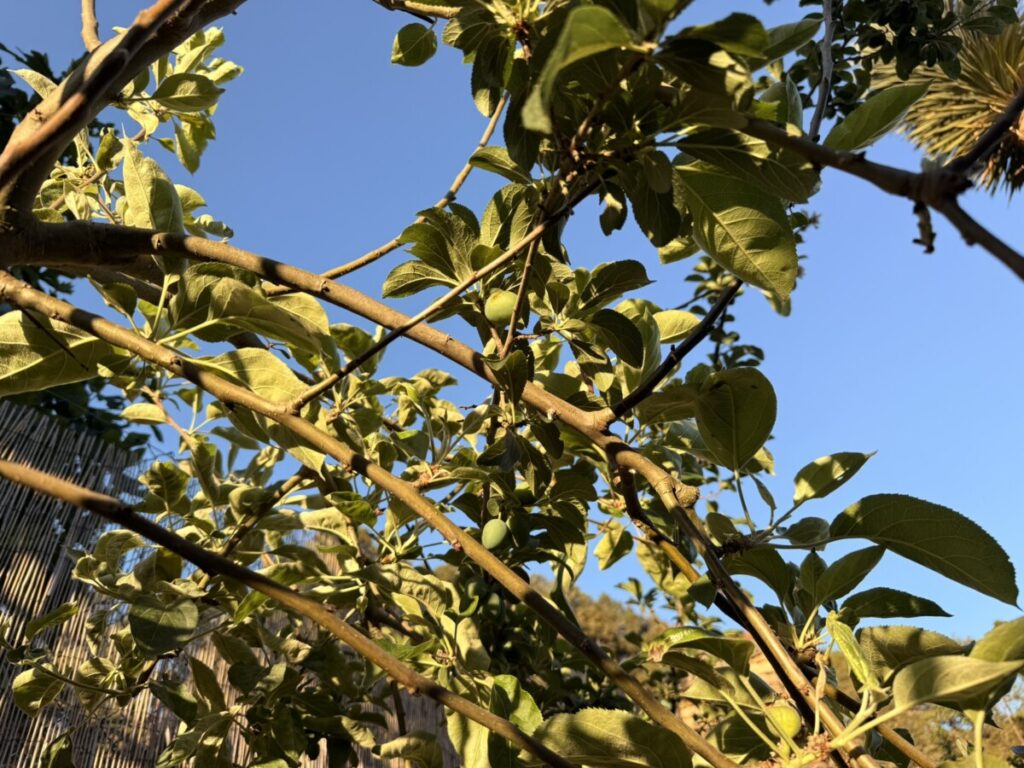
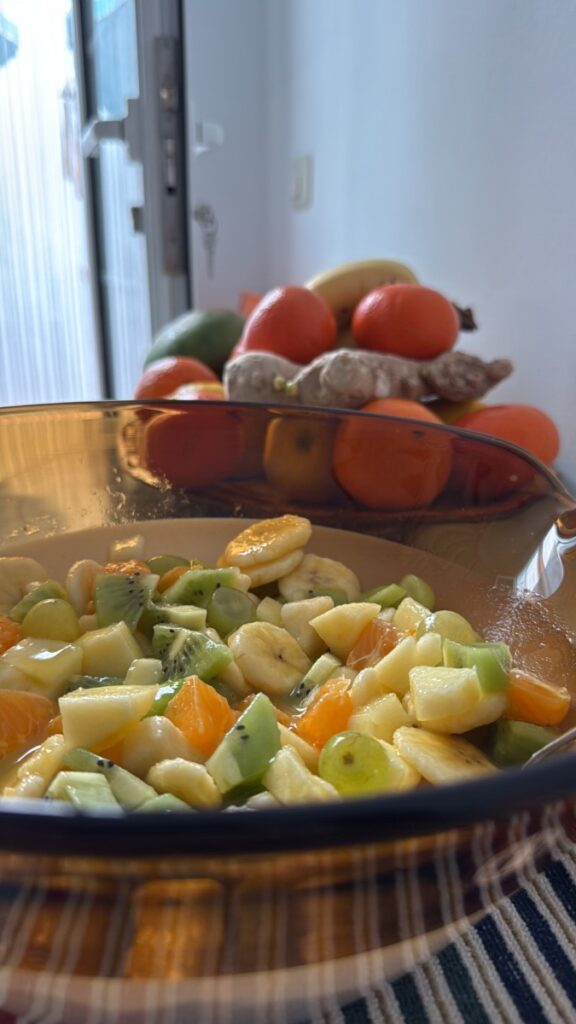
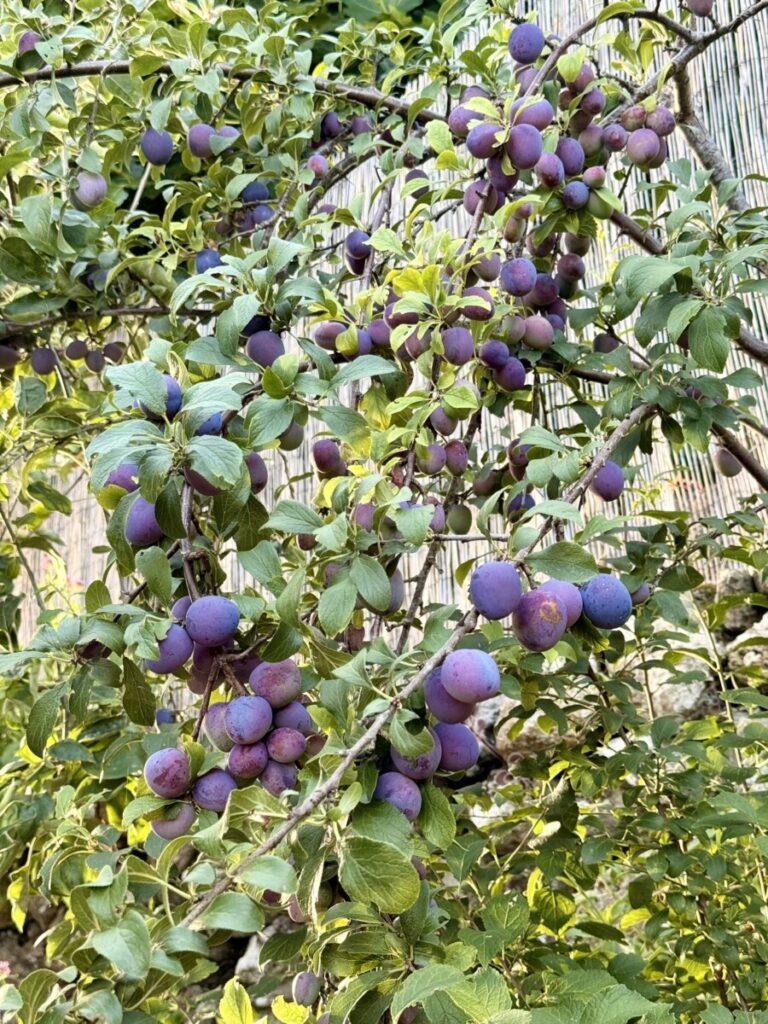
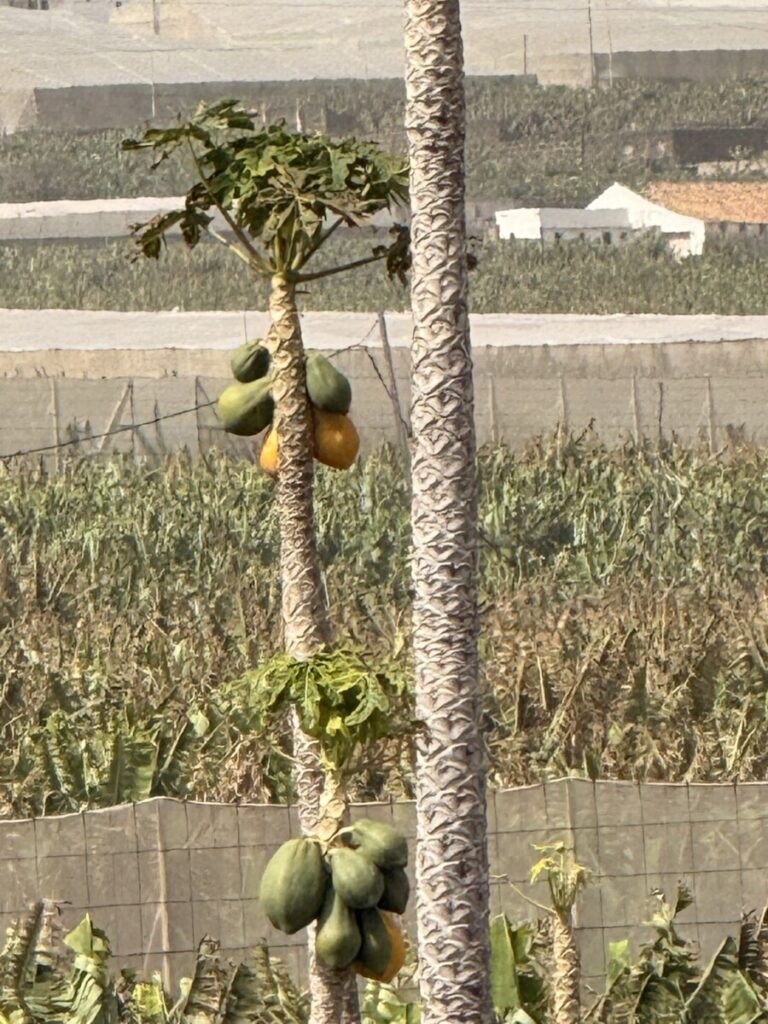
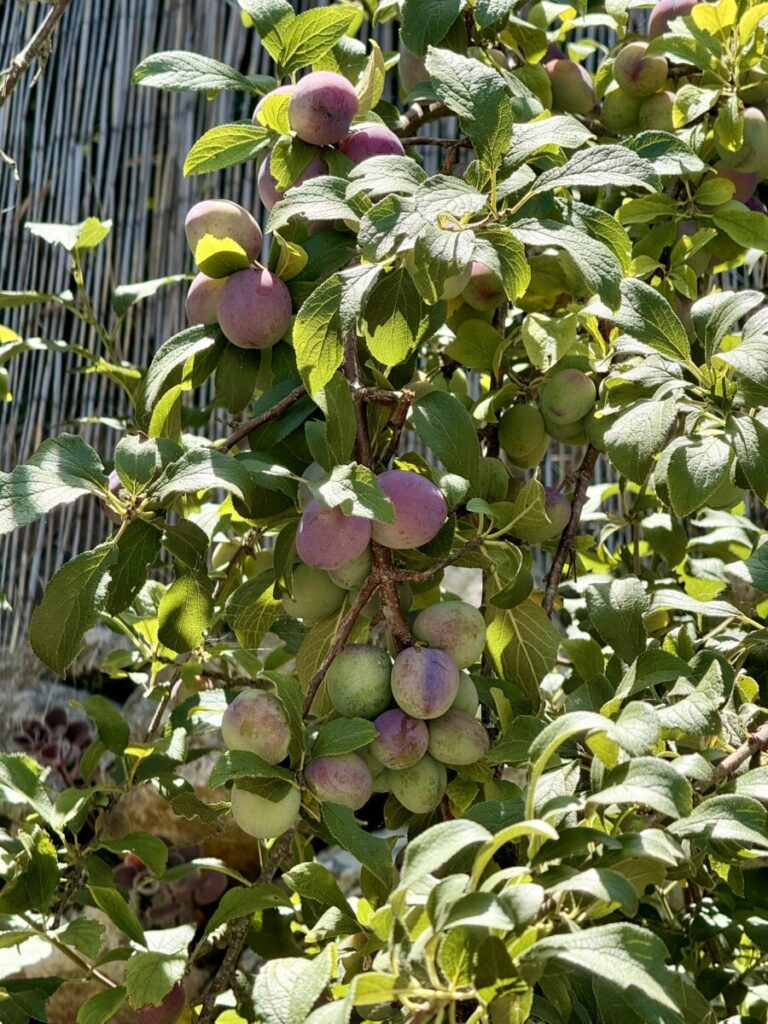
Spice-wise, the Canary islands are home to the best saffron plantations. This spice (that can be quite expensive elsewhere) is at the base of the many paella spice mixes that they sell on the island. And how could we not integrate that into our diets? I remember spending the first few months making Macedonia (Italian-style fruit salad) and using it as a base for our breakfasts, as is, or in our overnight oat jars. Vegetarian paella cooked on the outside fire? Check. Saffron risotto? Check. And after moving from our temporary home on the mountains to a seaside apartment, we were right in between banana and papaya plantations. Sounds like a foodie’s paradise, doesn’t it?
The adaptation
The truth is, you can’t survive on fruit alone. We arrived on the island in late spring and lived through a blissful summer. However, we were not prepared for winter. When the weather started to get colder and increasingly humid, fruit also started not to be as good and abundant. And almost everything that cannot grow on the Islands is imported.
In the end it all boiled down to potatoes, aubergines, zucchini, and a few spices. Vegan or plant-based options? Limited. You can find European-style supermarkets only in the main cities, which for us were at least a 45-min drive on the only highway of the island. Even there, we would find more processed food than fresh one, and the excitement evaporated as quickly as our Euros when getting some vegan specialty to get something a bit fancier.
Not finding ready-made plant-based alternatives never really stopped me from making my own at home. But… when I started to look for cookware and tools, it got disappointing: most of what goes to the Canary Islands comes from China. And it’s not their premium stuff either. At some point, cooking started to be unappealing. Even eating out was depressing: papas and aubergines with mojo and/or palm honey were all we could find in tapa restaurants. Italian restaurants and pizzerias? Tourist food, high prices. Not worth it.
Then there was the bread “problem”. We are big bread lovers. At the Canary Islands, bread doesn’t seem to excite people. Bakeries are scarce and not generally intended as a store for the public. They carry one or two types of bread; the rest is sweet sticky pastries they all go crazy about. A few months of “more of the same”, and food became quite boring. Thank god for Lidl and their Bretzels.
New country, new joys
When we decided to move to France, my expectations were low. I didn’t expect much of a plant-based choice at all, especially in the countryside. And instead… local stores carry a lot of genuine ingredients and have great quality vegetables and fruit. Bread is amazing… besides the classic baguette, there is a variety of cereal and rustic breads that are healthier, tastier, and a pleasure to bite into.
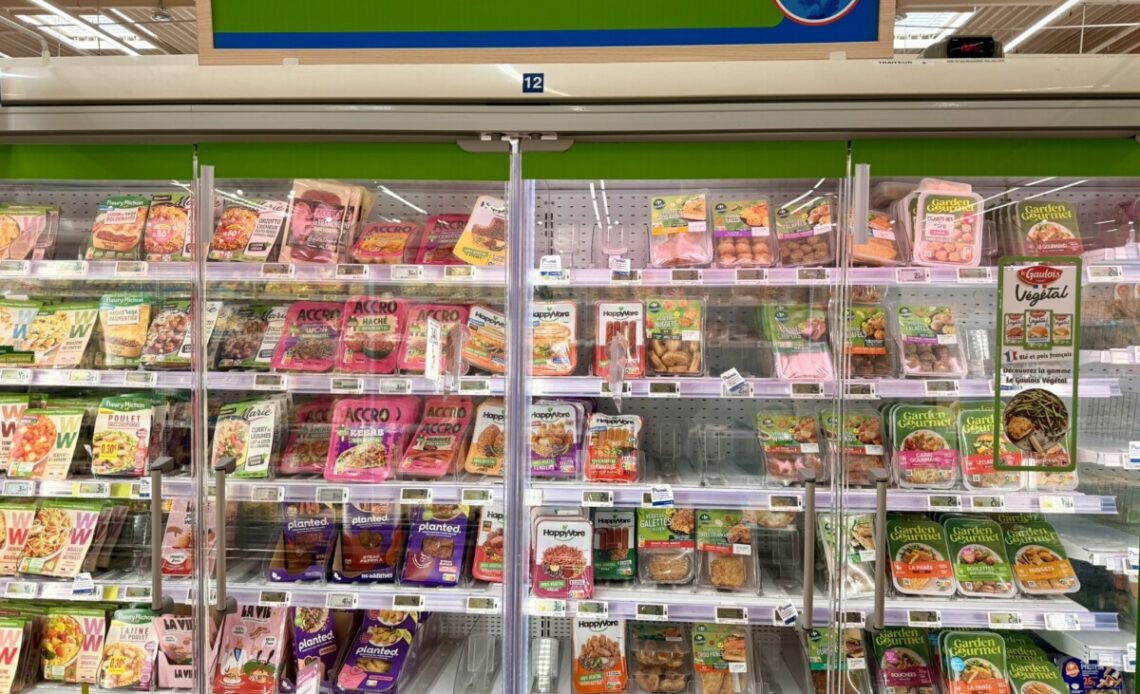
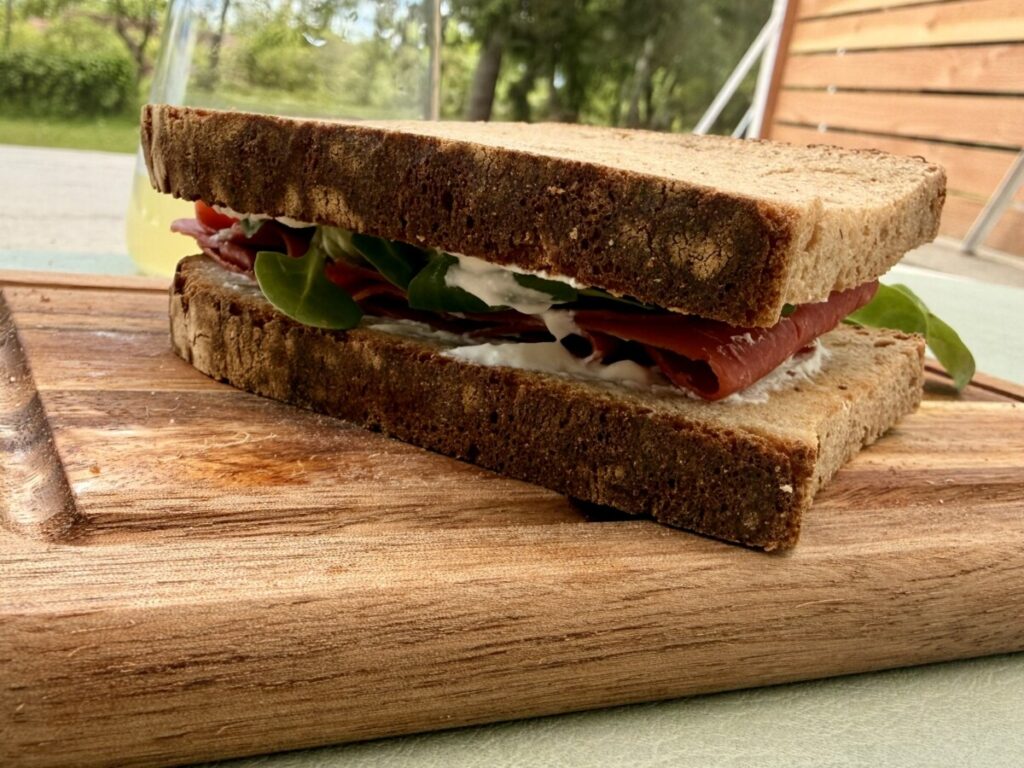
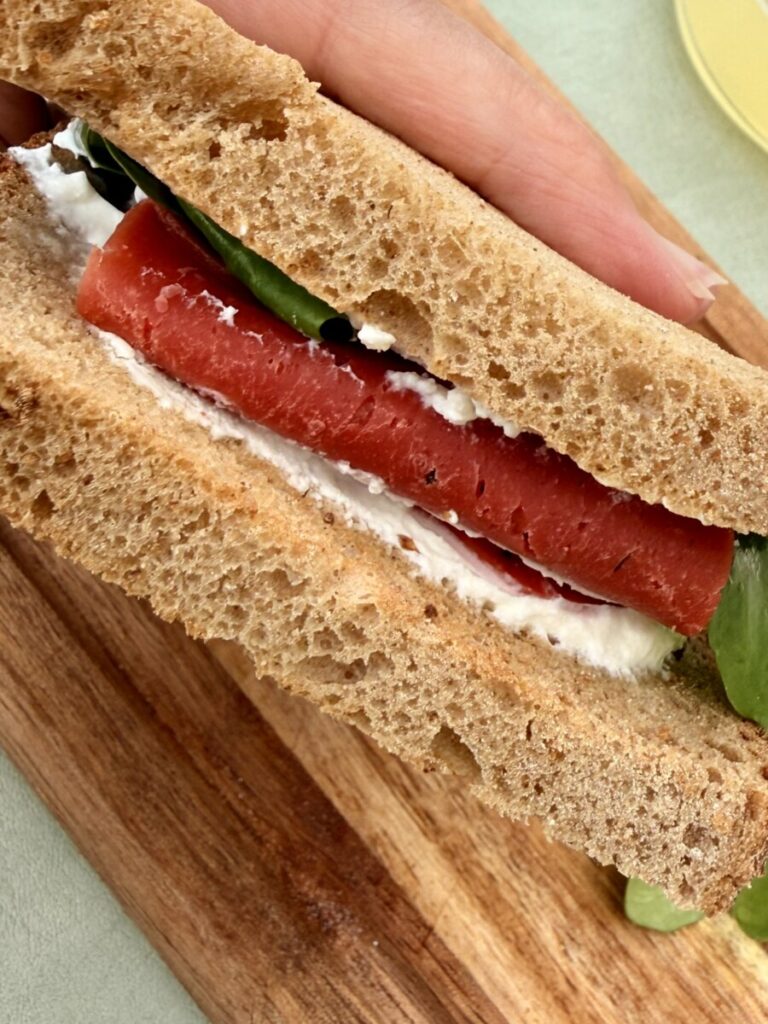
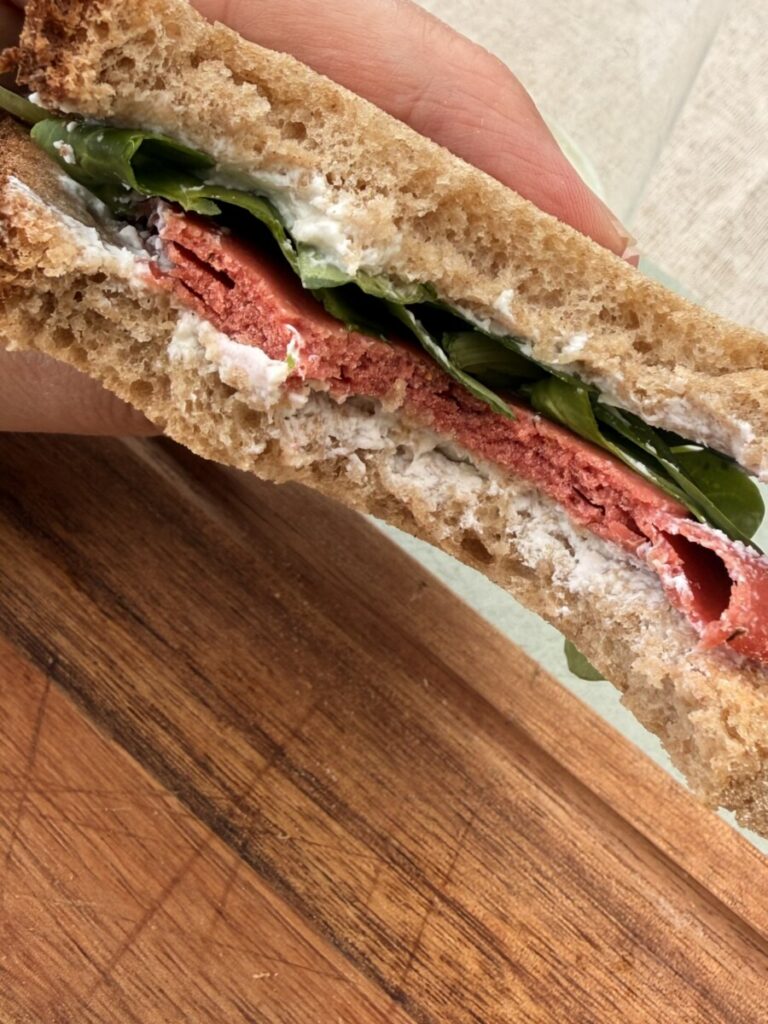
There is also an element of nostalgia: being France so close to Italy, I can find some of the brands that I grew up with as a child: when I saw Mulino Bianco cookies I wanted to cry! And then we went for the first time to a Carrefour just outside Limoges. Oh, my… I texted an Italian friend and told her I want to move into the supermarket! We found tons of vegan and plant-based options: not only tofu and “deli-meats” style of packages – they have some fancy stuff such as vegan lox and Bresaola style slices) – but also vegan lardons (bacon bits), sausages, ice cream, milks and yogurts… They make it almost too easy!
Now… aside from the initial dopamine rush in seeing the plant-base isle and the incredible variety of it all, my excitement also goes to the premium flours, variety of lentils, chickpeas, beans, sauces, and all the bounty of flavors that I can put in my dishes. Life’s good again. When I came home from the trip, we had planned to go out for a pizza, and instead, we decided to stay at home and treat ourselves with a humble, delicious, satisfying sandwich. You don’t need much. In the end, you just need what makes you and your soul feel good.
Have ever moved to a another country and cooked with local foods? What did excite you and what disappointed you instead?