Pasta is more than just a staple of Italian cuisine: it’s a canvas for creativity, a symbol of tradition, and a testament to the art of simple, high-quality ingredients. Whether you’re a home cook or a culinary enthusiast, understanding the nuances of pasta can transform your dishes from ordinary to extraordinary.
A type for every occasion
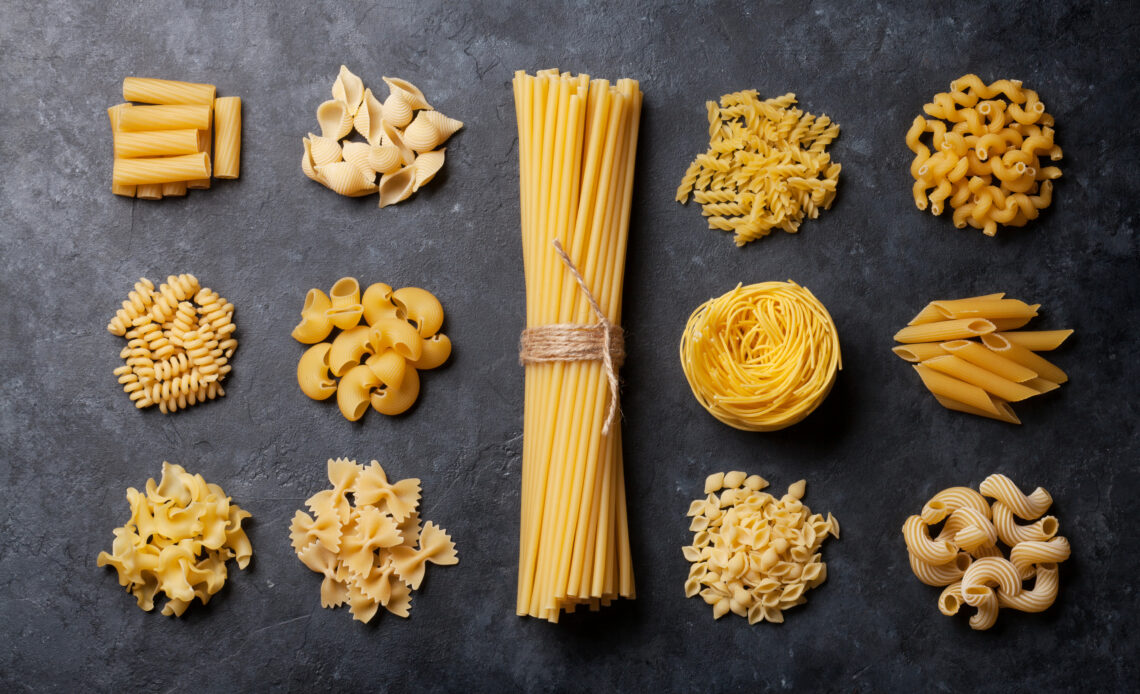
Pasta comes in a dizzying array of shapes, sizes, and textures, each designed to pair perfectly with specific sauces and ingredients. Here’s a quick guide to some of the most beloved types:
| Type | Description | Best Paired With |
|---|---|---|
| Spaghetti | Long, thin, and cylindrical. | Tomato-based sauces, carbonara |
| Penne | Short, cylindrical, and diagonally cut at both ends. | Creamy sauces, pesto, ragù |
| Farfalle | Bowtie-shaped, with a flat center and ruffled edges. | Light sauces, vegetable dishes |
| Fusilli | Spiral or corkscrew-shaped. | Thick sauces, baked dishes |
| Tagliatelle | Flat, ribbon-like, and slightly wider than fettuccine. | Bolognese, mushroom sauces |
| Lasagna | Wide, flat sheets, often layered with fillings. | Béchamel, ragù, cheese |
| Orzo | Rice-shaped, but made from pasta. | Soups, salads, or as a rice substitute |
| Orecchiette | Small, ear-shaped pasta with a slight cup. | Broccoli, sausage, light tomato sauces |
| Rigatoni | Short, wide tubes with ridges. | Chunky meat or vegetable sauces |
How to pick quality pasta
Not all pasta is created equal. The quality of pasta can elevate or ruin your dish. Here’s how to distinguish the best from the rest:
Signs of high-quality pasta
- Color: High-quality pasta has an ivory or pale yellow hue, indicating it’s made from durum wheat semolina and dried slowly. Avoid overly bright yellow pasta, which may contain lower-quality flours or artificial dyes.
- Texture: Good pasta feels rough and slightly gritty to the touch, helping it hold onto sauces better. Smooth pasta may have been over-processed.
- Drying process: The best pasta is bronze-die extruded and slow-dried (traditionally over 24–72 hours). This creates a porous surface that absorbs sauces beautifully. Look for labels mentioning “trafilatura al bronzo” or “essiccazione lenta.”
- Ingredients: The ingredient list should be simple: durum wheat semolina and water (or eggs for fresh pasta). Avoid pasta with additives, preservatives, or enriched flour.
- Cooking test: High-quality pasta holds its shape while cooking, doesn’t turn mushy, and retains a firm bite (al dente).
Red flags of low-quality pasta
- Bright yellow color: Often a sign of soft wheat flour or artificial coloring.
- Smooth surface: Indicates Teflon-die extrusion, making pasta slippery and less receptive to sauces.
- Quick cooking time: If pasta cooks in under 5 minutes, it’s likely been over-processed and will turn mushy.
- Sticky or gummy texture: A sign of low-quality flour or improper drying.
Pasta shapes and stories
Pasta shapes aren’t just about looks: they often have fascinating origins and purposes. Here are a few fun stories:
- Farfalle (bowties): Legend says farfalle was inspired by the bow ties worn by noblemen in the 16th century. Its ruffled edges and flat center make it perfect for catching light sauces.
- Penne: The name comes from the Italian word for “pen” (penna), as its diagonal cut resembles the tip of a quill. Its hollow center and ridges make it ideal for trapping chunky sauces.
- Orecchiette: Meaning “little ears” in Italian, this shape is said to have been created by a 12th-century baker who pinched small pieces of dough to resemble ears. It’s a specialty of Puglia and pairs wonderfully with bitter greens like broccoli rabe.
- Rotelle (wagon wheels): This playful shape was designed to resemble wagon wheels and is often used in soups or salads. Its spokes and rim create a fun texture in every bite.
- Cavatelli: These small, shell-shaped pasta pieces are traditionally made by pressing dough with a thumb (cavare means “to hollow” in Italian). They’re a staple in Southern Italian cuisine.
Fun facts to impress your dinner guests
- Pasta’s ancient roots: While Italy is the pasta capital, the earliest known pasta dates back to ancient China (around 2000 BCE), where noodles were made from millet and foxtail millet.
- Marco Polo myth: Contrary to popular belief, Marco Polo did not bring pasta to Italy from China. Pasta was already a staple in Italy by the 13th century.
- World’s longest pasta: In 2010, a 1,970-meter (6,463-foot) strand of spaghetti was created in Italy, breaking the Guinness World Record.
- Pasta in space: In 2005, astronauts aboard the International Space Station enjoyed the first zero-gravity pasta meal, specially designed to prevent floating crumbs.
- Pasta museum: There’s a Pasta Museum in Rome (Museo Nazionale delle Pasta Alimentari), dedicated to the history and culture of pasta.
Celebrating pasta
Next time you cook pasta, take a moment to appreciate its color, texture, and story. Whether you’re twirling spaghetti, scooping up rigatoni, or savoring a forkful of farfalle, remember: the best pasta starts with the best ingredients and a little bit of love.
What’s your favorite pasta shape or dish? Share your stories in the comments!