
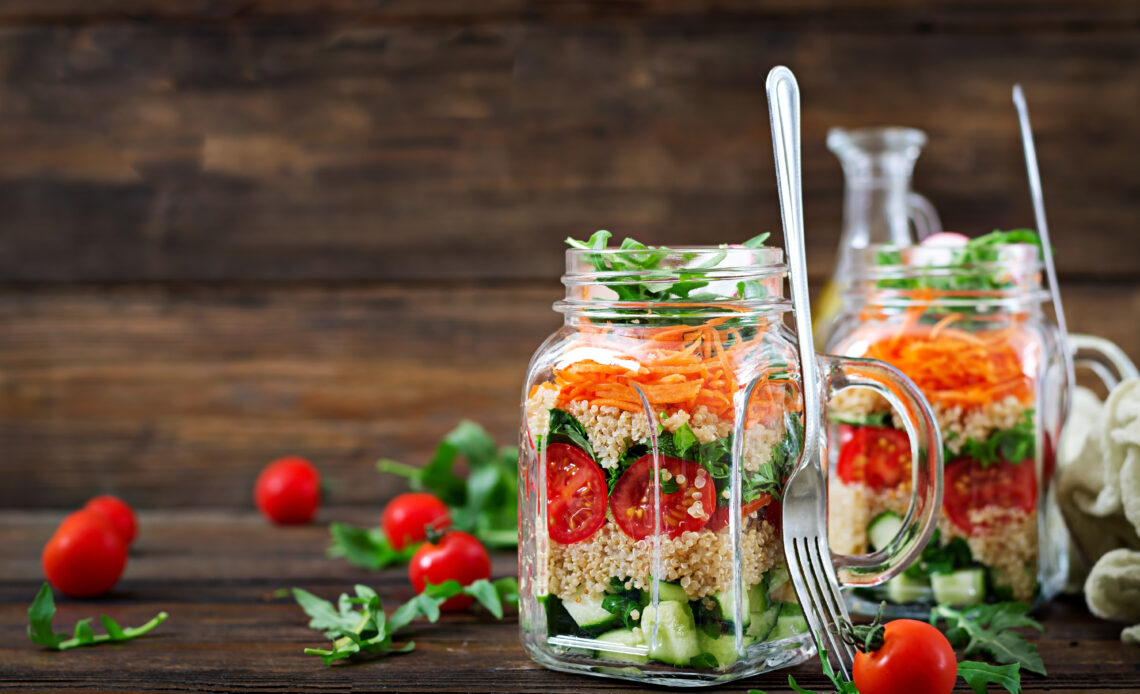
Food prepping is often described as a way of saving money on meals. However, it is more and more about eating well, reducing waste, and enjoying fresh, varied meals even on your busiest days.
Whether you’re packing lunches for the office, school, or an on-the-go lifestyle, mastering the art of food prepping can transform your week. The key? Choosing the right ingredients, storing them properly, and keeping flavors exciting. Here’s your ultimate guide to prepping like a pro.
Why food prepping works
- Saves time and stress – Spend a few hours on Sunday (or your preferred day) to avoid daily cooking chaos.
- Healthier choices – Prepped meals mean you’re less likely to grab fast food or unhealthy snacks.
- Budget-friendly – Buying in bulk and using leftovers creatively cuts down on food waste and grocery bills.
- Portion control – Helps manage serving sizes, making it easier to stick to dietary goals.
The best meals for prepping
Not all foods hold up equally in the fridge or freezer. Here’s what preps best and for how long:
Meals that keep well (3–5 days in the fridge)
- Grain bowls – Quinoa, farro, or brown rice with roasted veggies, proteins (chicken, tofu, chickpeas), and dressings stored separately.
- Mason jar salads – Layer dressings at the bottom, followed by hearty veggies (cucumbers, bell peppers), proteins, greens, and toppings (nuts, seeds). Pro tip: Use spinach or kale (they stay crisp longer than lettuce).
- Pasta salads – Cold pasta with olive oil, veggies, and cheese holds up well. Add fresh herbs just before eating.
- Stir-fries – Pre-chop veggies and proteins, store separately, and cook fresh. Sauces can be pre-mixed and stored in small containers.
- Soups & stews – Hearty lentil, minestrone, or chicken noodle soups taste even better after a day or two. Freeze in portions for longer storage.
Meals that freeze well (1–3 months)
- Curries & chili – Freeze in single-serving containers. Reheat with a splash of water or broth.
- Burritos & wraps – Assemble with beans, rice, cheese, and veggies, wrap tightly in foil, and freeze. Reheat in the oven or microwave.
- Marinated proteins – Chicken, fish, or tofu can be marinated and frozen raw. Thaw overnight in the fridge before cooking.
- Homemade sauces – Tomato, pesto, or béchamel freeze beautifully. Store in ice cube trays for easy portioning.
Meals to avoid prepping too far ahead
- Crispy or fried foods – They lose texture (e.g., fried chicken, tempura).
- Dressed salads with delicate greens – Lettuce wilts quickly.
- Creamy dishes – Mayonnaise-based salads or sauces can separate or spoil faster.
- Fresh herbs – Add them last minute to preserve flavor.
Pro tips for keeping meals fresh and exciting
Compartmentalization
- Use bento boxes or divided containers to keep ingredients separate until eating. This prevents sogginess (e.g., croutons in salad, bread in sandwiches).
- Dressings and sauces should always be stored separately and added just before eating.
Batch cooking with a twist
Cook large batches of base ingredients (grains, roasted veggies, proteins) and mix and match throughout the week. For example:
- Monday: Grain bowl with chicken and tahini.
- Wednesday: Wrap with hummus and greens.
- Friday: Stir-fry with soy sauce and sesame oil.
Freeze smartly
- Portion meals in reusable containers or freezer bags. Label with the date and contents.
- Flat-freeze sauces and liquids in bags to save space.
- Thaw safely in the fridge overnight or use the microwave’s defrost setting.
Keep it crunchy
- Pack nuts, seeds, or croutons in small bags to sprinkle on salads or soups at the last minute.
- Store chips or crackers separately to avoid sogginess.
Herbs and garnishes
- Fresh herbs (cilantro, parsley, basil) can be stored in a jar of water in the fridge or frozen in oil.
- Lemon or lime wedges add brightness to meals: pack them in a small container.
Invest in the right tools
- Glass containers (like Pyrex) are microwave- and oven-safe.
- Insulated lunch bags keep food cold or warm for hours.
- Mini condiment containers for dressings, hot sauce, or yogurt.
Sample week prep plan
| Day | Meal | Prep Ahead | Assemble Day-Of |
|---|---|---|---|
| Monday | Mediterranean Grain Bowl | Cook quinoa, roast veggies, grill protein | Add feta, olives, dressing |
| Tuesday | Protein & Cheese Wrap | Cook protein, slice cheese, prep tortilla | Add lettuce, mustard |
| Wednesday | Lentil Soup & Bread | Cook soup, freeze in portions | Reheat, toast bread |
| Thursday | Asian Noodle Salad | Cook noodles, chop veggies, mix sauce | Toss with sesame seeds |
| Friday | Breakfast Burrito | Scramble eggs, cook beans, freeze burritos | Reheat in microwave |
Avoid food prep burnout
- Rotate your recipes to prevent boredom. Try a new cuisine each week (Mexican, Mediterranean, Asian).
- Prep with a friend to split the work and swap meals.
- Use themes (e.g., Taco Tuesday, Stir-Fry Friday) to keep it fun.
- Keep a stash of emergency meals in the freezer for days when prep doesn’t happen.
Make it work for you
Food prepping is about making your life easier and your meals more enjoyable. Start small with 2–3 prepped meals per week, and gradually build your routine. With the right strategies, you’ll never face a sad desk lunch again!
What’s your go-to prep meal? Share your favorite tips or recipes: let’s inspire each other to eat well all week!