
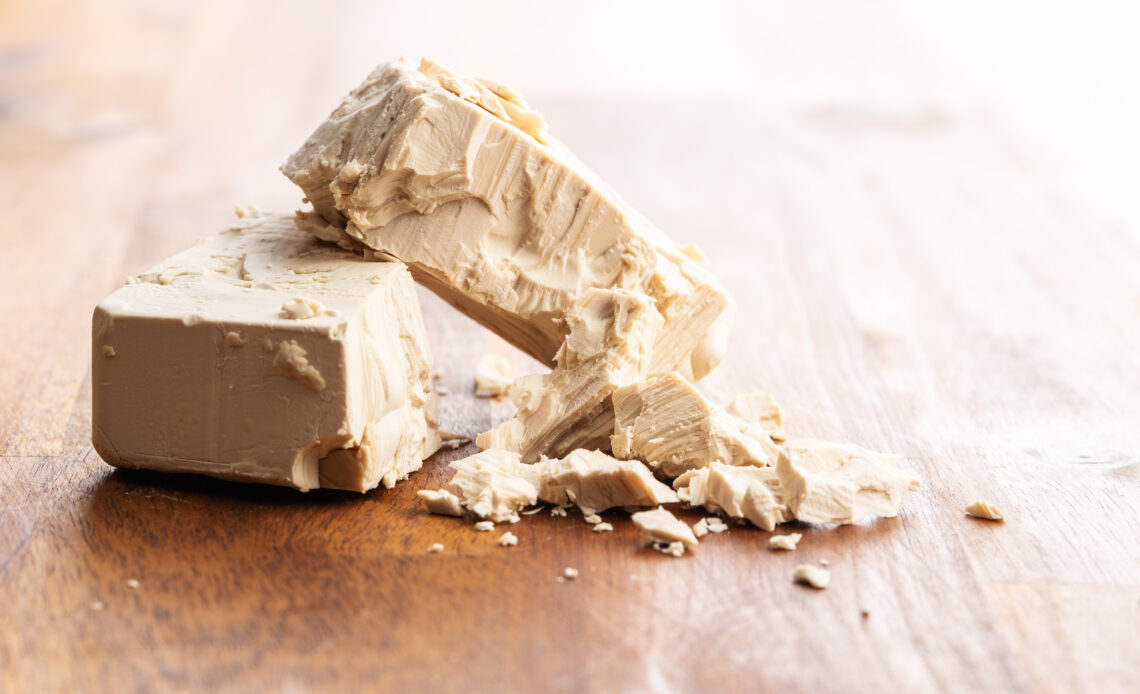
In Italy, the art of baking bread and focaccia is steeped in tradition, and one of the most cherished secrets is the use of beer yeast blocks: fresh, compressed yeast that delivers unmatched flavor, texture, and aroma.
While dry yeast is convenient, Italian bakers and home cooks often swear by fresh yeast blocks for their ability to create lighter, more flavorful, and authentically textured breads. Let’s explore what beer yeast blocks are, how to use them, and why they’re the preferred choice for Italian baking.
What are beer yeast blocks?
Beer yeast blocks, also known as fresh yeast or compressed yeast, are moist, solid blocks of live yeast cells. Unlike dry yeast, which is dehydrated and dormant, fresh yeast is active and ready to use, providing a more robust and immediate fermentation. In Italy, these blocks are commonly sold in small cubes (typically 25–50 grams) and are a staple in bakeries and home kitchens.
Fresh yeast is perishable and must be refrigerated, but its high moisture content and viability make it a favorite for bakers who prioritize quality and tradition.
Why do Italians prefer beer yeast blocks for bread and focaccia?
Superior flavor
Fresh yeast contributes a cleaner, more nuanced flavor to bread and focaccia. Unlike dry yeast, which can sometimes leave a slight metallic or bitter aftertaste, beer yeast blocks produce a milder, more aromatic result. This is especially important in Italian baking, where the simplicity of ingredients (flour, water, olive oil, and salt) means the yeast’s flavor plays a critical role.
Faster and more reliable fermentation
Fresh yeast is highly active and begins fermenting almost immediately when mixed with warm water and flour. This leads to:
- Quicker rise times, which is ideal for same-day baking.
- More consistent results, as the yeast’s viability is higher than that of dry yeast, which can degrade over time.
Lighter, airier texture
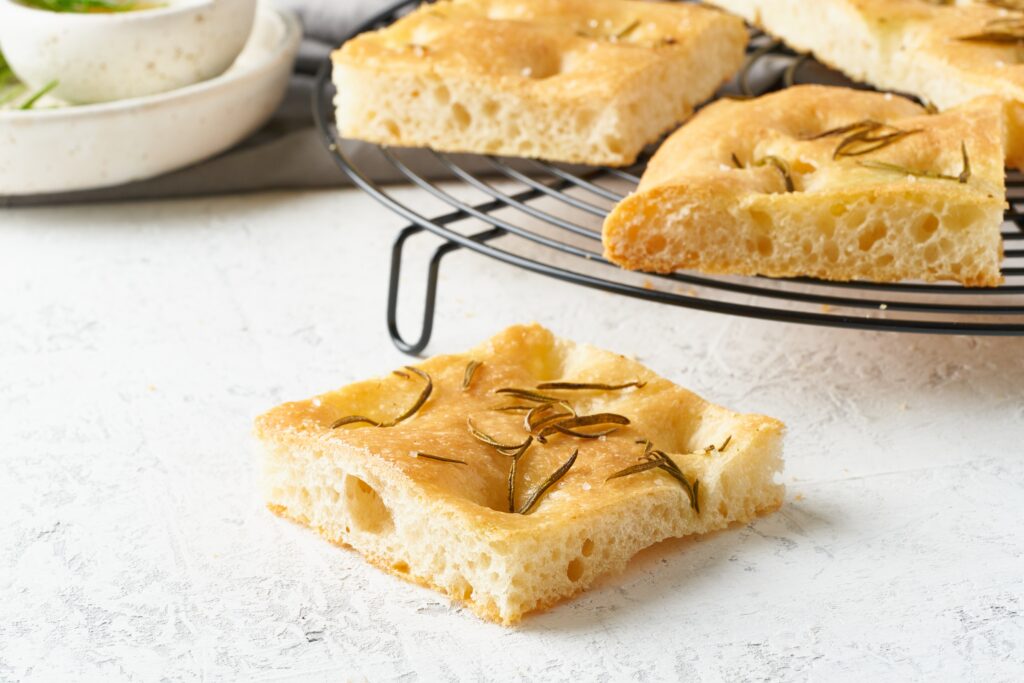
The CO₂ produced by fresh yeast creates smaller, more uniform bubbles in the dough, resulting in a lighter crumb and a crisp, open structure, perfect for focaccia’s signature airy texture and bread’s soft interior.
Authentic Italian tradition
In Italy, fresh yeast has been used for generations. Many traditional recipes, from Neapolitan pizza dough to Ligurian focaccia, were developed with fresh yeast in mind. Using beer yeast blocks connects modern bakers to the time-honored techniques of Italian panettieri (bakers) and nonne (grandmothers).
How to use beer yeast blocks in baking
1 – Dissolve the yeast
Fresh yeast must be dissolved in lukewarm water or milk (around 80–90°F/27–32°C) before mixing it into the dough. Here’s how:
- Crumble the yeast block into a small bowl.
- Add a small amount of lukewarm liquid (water or milk) and a pinch of sugar or flour.
- Stir gently and let it sit for 5–10 minutes until it becomes frothy. This confirms the yeast is active and ready to use.
2 – Incorporate it in the dough
- Add the dissolved yeast to your flour mixture along with the other ingredients (water, olive oil, salt).
- Knead the dough until smooth and elastic. Fresh yeast’s high activity means you’ll often notice the dough rising faster than with dry yeast.
3 – Let it ferment and rise
- First Rise: Let the dough rise in a warm, draft-free place until it doubles in size. With fresh yeast, this typically takes 1–2 hours, depending on the recipe and room temperature.
- Second Rise (for focaccia): After shaping, allow the dough to rise again until puffy. For focaccia, this step is crucial for achieving its characteristic dimpled, airy texture.
4 – Bake
Bake at the temperature specified in your recipe. Fresh yeast’s efficiency often results in a golden, flavorful crust and a tender interior.
Beer yeast vs dry yeast
| Factor | Beer Yeast Blocks | Dry Yeast |
|---|---|---|
| Flavor | Clean, mild, and aromatic | Can have a slight metallic or bitter note |
| Fermentation Speed | Faster rise (1–2 hours for first proof) | Slower rise (2–3 hours for first proof) |
| Texture | Lighter, airier crumb with uniform bubbles | Can be denser or less uniform |
| Convenience | Perishable; must be used within 2–3 weeks | Shelf-stable; lasts months or years |
| Tradition | Preferred in Italy for authentic results | Common in modern, convenience-focused baking |
| Cost | Slightly more expensive but cost-effective for frequent bakers | Cheaper per use |
Tips for baking with beer yeast blocks
- Check Freshness: Fresh yeast should be pale beige, moist, and crumbly, with a slightly sweet, yeasty aroma. Avoid blocks that are discolored, dry, or have a sour smell.
- Store Properly: Keep yeast blocks in the refrigerator (up to 3 weeks) or freezer (up to 3 months). Thaw frozen yeast in the fridge before using.
- Adjust Quantities: As a general rule, 1 cube (25g) of fresh yeast = 1 packet (7g) of dry yeast. However, fresh yeast is more potent, so you may need slightly less.
- Experiment with Recipes: Try using fresh yeast in classic Italian recipes like:
- Focaccia Genovese (with rosemary and olive oil)
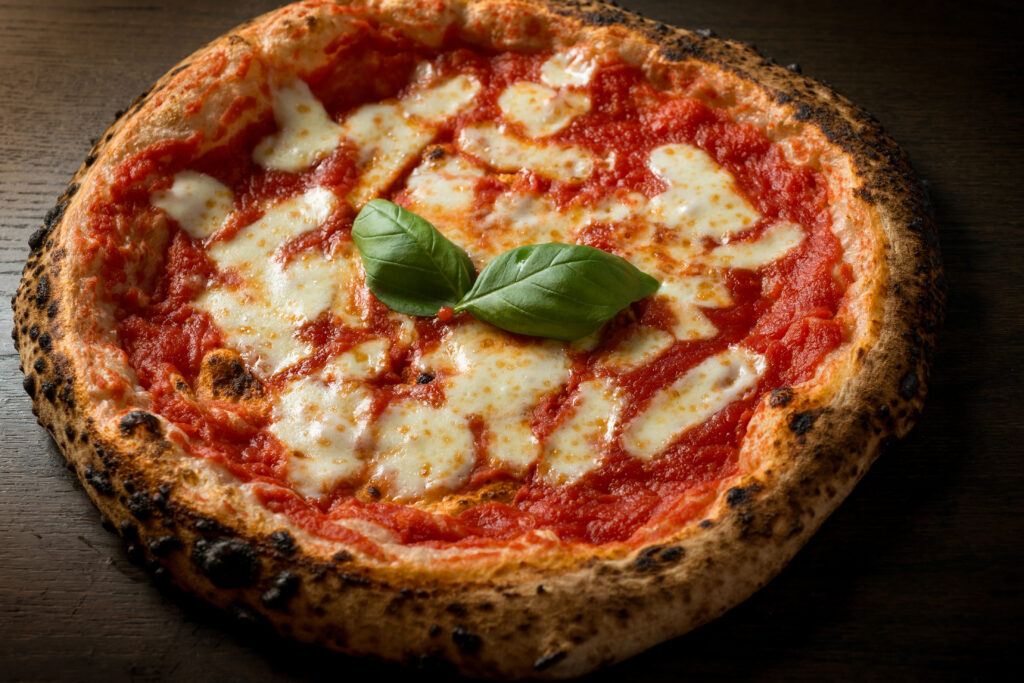
- Pizza Napoletana (for a light, chewy crust)
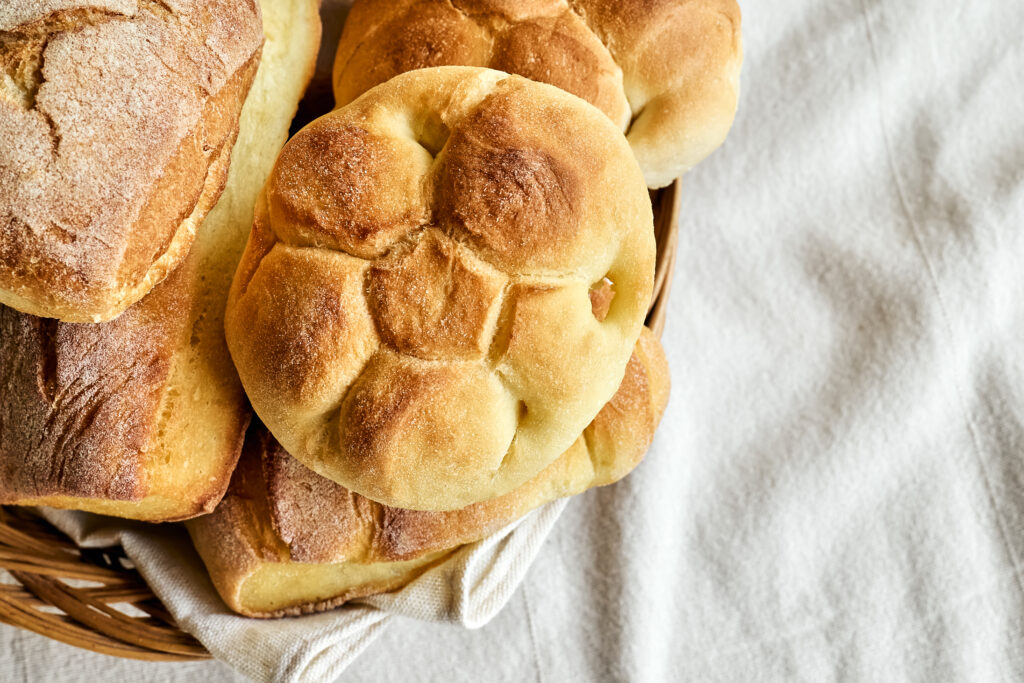
- Pane Casareccio (rustic Italian bread)
- Panettone or Colomba (holiday sweet breads)
Where to find beer yeast blocks
In Italy, fresh yeast is widely available at supermarkets, bakeries, and local markets. Outside of Italy, look for it in:
- Specialty baking stores
- Italian or European grocery stores
- Online retailers (check for expedited shipping to ensure freshness)
If you can’t find fresh yeast, some bakeries or pizzerias may sell small amounts: just ask!
Embrace the Italian way!
Whether you’re making a crispy focaccia, a chewy pizza, or a rustic loaf of bread, fresh yeast will elevate your baking, bringing you one step closer to the authentic flavors of Italy.
Have you tried baking with fresh yeast? Share your favorite recipes or tips. Let’s keep the tradition alive!